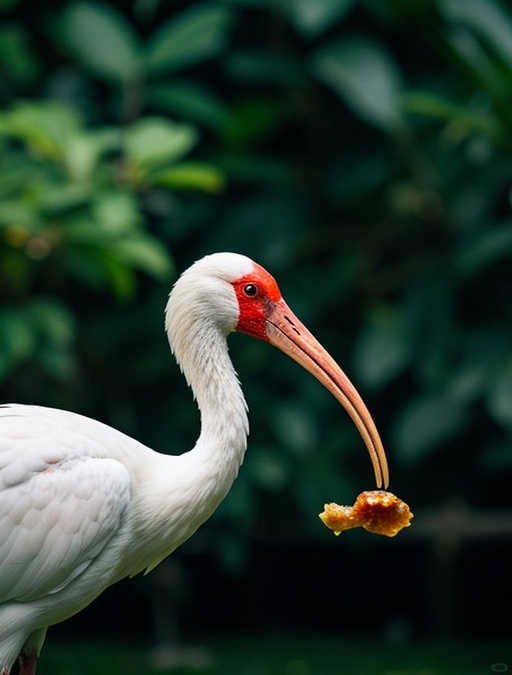
Alright, let's dive right in. First things first, you gotta remember that ibises are *foragers*. In the wild, they're not picky eaters at all – they're opportunistic! You'll see them wading through shallow water, poking their long, curved bills into mud and sand, feeling around for tasty treats. Their main diet consists of crustaceans (like crayfish and crabs), small fish, insects, worms, and even some frogs or small reptiles. Some species, like the Sacred Ibis, will also munch on small mammals or the eggs of other birds. So, their natural diet is super high in protein and moisture.
Now, when you bring an ibis into captivity, you can't just replicate a pond in your backyard (unless you have a huge aviary, which is awesome!). The key is to mimic that nutritional profile. A common mistake is feeding them only dry pelleted food. While high-quality waterfowl or wading bird pellets should be a *base* of their diet, they can't be the *only* thing. Their system needs that wet, whole-prey component. So, you gotta supplement. I recommend offering thawed frozen shrimp, krill, small whole fish (like smelt or silversides), mealworms, and crickets several times a week. It's messy, but it's what they need!
Portion control and frequency are super important too. An adult ibis typically needs to eat about 10-15% of its body weight in food per day, but this can vary with activity level and species. It's better to offer two smaller meals – one in the morning and one in the late afternoon – rather than one huge pile of food. This mimics their natural foraging behavior and keeps their metabolism steady. Always, and I mean *always*, provide fresh, clean water for drinking AND for bathing. They use water to help swallow their food, so a shallow pan or pool is non-negotiable.
Let's talk about some stuff you should absolutely avoid. First off, bread. Just don't. It's like junk food for birds – fills them up with zero nutrition and can cause a condition called "angel wing," where their wings deform. Also, avoid feeding them processed human foods, salty snacks, or anything with caffeine or chocolate, which are toxic. Be cautious with live prey unless you're sure it's from a safe, pesticide-free source. You don't want your ibis ingesting parasites or chemicals.
Observing your ibis is the best guide. A healthy, well-fed ibis will be active, have bright eyes, smooth feathers, and produce firm, well-formed droppings. If you notice weight loss, lethargy, ruffled feathers, or runny droppings, the diet might be off, or there could be a health problem. It's a good idea to have a relationship with an avian vet who's familiar with wading birds. They can help you tailor the diet specifically for your ibis's age, species, and health status. For example, breeding pairs or growing chicks will need even more protein.
In the end, feeding your ibis is about understanding where they come from. They're not seed-crackers; they're wetland hunters and probes. By giving them a varied diet rich in whole, moist proteins alongside a good quality pellet, you're giving them the best chance at a long, vibrant life in your care. It's a bit more work, but seeing them thrive, using that amazing bill to snatch a shrimp or carefully probe their food dish, is totally worth the effort. Happy feeding!