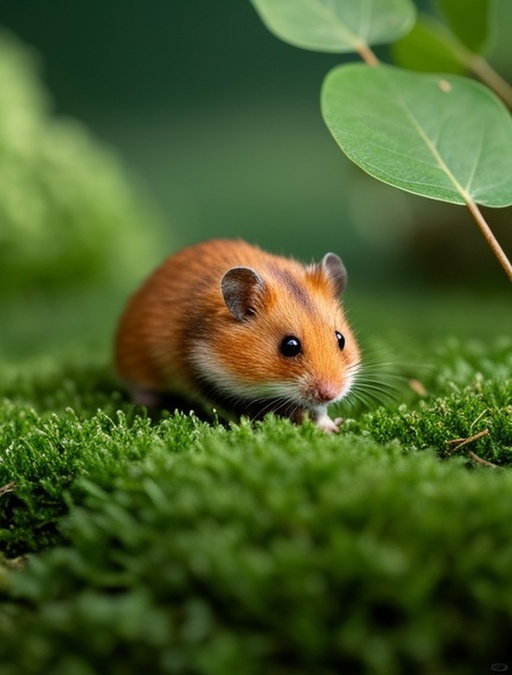
First things first, let's talk about who these little guys are. Campbell's Dwarf Hamsters, sometimes just called Russian Dwarfs, are these super cute, round balls of fur with a dark stripe down their back. They're social butterflies, unlike some other hamster species, so they often do well with a same-sex buddy if introduced properly when young. But watch out, they can be little escape artists! Their small size means they can squeeze through the tiniest gaps, so a secure cage is an absolute must.
Choosing your hamster is a big deal. Look for one that's active, with bright, clear eyes and a clean, fluffy coat. Avoid any that seem sleepy or have a wet tail – that's a sign of stress or illness. Remember, you're not just buying a pet; you're picking a family member who'll be with you for a couple of years. It's worth taking your time to find a healthy, curious little character.
Now, the home sweet home. A big, spacious cage is non-negotiable. Forget those tiny, plastic tubes – think more like a mini apartment. A tank or a cage with very narrow bar spacing (less than half an inch) is perfect. Fill it with deep, safe bedding for burrowing – paper-based stuff is great. Add a solid-surface exercise wheel (no wire mesh to hurt tiny feet!), hideouts, chew toys, and maybe a sand bath for them to roll in. They love to explore, so tunnels and platforms are a big hit.
Feeding time! These hamsters have fast metabolisms. A high-quality commercial dwarf hamster mix is your base. But to keep things interesting and healthy, mix in some fresh veggies like broccoli or carrot bits, and tiny amounts of protein like a bit of hard-boiled egg or mealworms. Always have fresh water available in a drip-proof bottle. And go easy on the sugary treats – they're prone to diabetes, so fruits should be a very rare special snack.
Handling and bonding is the fun part. They can be a bit skittish at first. Start by just talking softly to them and offering treats from your hand. Once they're comfortable, you can try scooping them up gently with both hands. Never grab from above – you'll look like a predator! Short, positive sessions every day will build trust. Some might never be super cuddly, but they'll show their love in other ways, like taking food from you or running around excitedly when you come near.
Keeping them healthy is key. Watch for signs of trouble: lethargy, loss of appetite, wet tail (diarrhea), lumps, or overgrown teeth. A good diet, clean cage, and proper exercise wheel go a long way in preventing issues. Find a vet who knows about small pets before you even have an emergency. Their lifespan is typically 1.5 to 2 years, so make every day count with proper care.
In the end, a Campbell's Dwarf Hamster is a delightful, energetic pet that brings endless entertainment. They're not super high-maintenance, but they do demand thoughtful care and attention. If you're ready for a commitment to a tiny life full of big personality, you'll find a wonderful, whiskered companion. Just be prepared for late-night wheel sounds and the irresistible urge to watch them stuff their cheeks!