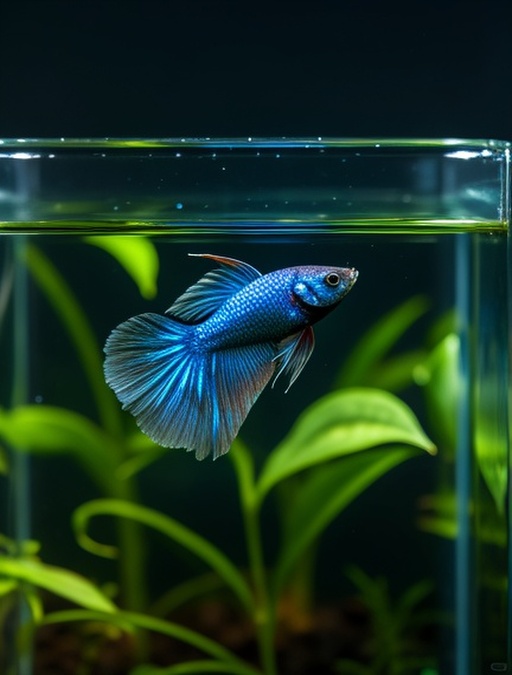
Alright, let's start with the biggest myth out there: the tiny bowl. I see it all the time in stores, those little cups or vases marketed for Bettas. It breaks my heart, honestly. The truth is, Bettas need space to swim and explore! A good starting point is a 5-gallon tank, minimum. Bigger is always better, like a 10-gallon, which gives you more stable water conditions and room for maybe a snail friend or some shrimp. The shape matters too—long, rectangular tanks are better than tall, narrow ones because Bettas need to surface for air (yep, they have a special organ called a labyrinth!), and more surface area means easier breathing.
Now, about that water. You can't just pour tap water in and call it a day. Chlorine and chloramines in tap water are toxic to fish. You gotta use a water conditioner every single time you add new water. And temperature is HUGE. Bettas are tropical fish and need warm water, between 78-80°F (25-27°C). A reliable aquarium heater is a must-have, not an optional extra. A filter is also essential to keep the water clean, but get one with a gentle flow. Those long, delicate fins of a Betta? They hate strong currents. A sponge filter is often a perfect, budget-friendly choice.
Decorating your Betta's home is the fun part! But safety first. Avoid any decorations with sharp or rough edges that can tear those gorgeous fins. Silk plants are a great soft alternative to plastic. Live plants are even better—they help with water quality and make the tank look amazing. Bettas also love to have little hiding spots. A ceramic cave, a smooth piece of driftwood, or even a clean, upside-down terracotta pot with a hole in it gives them a place to retreat and feel secure. Just make sure any hole you have is big enough so they don't get stuck!
Feeding time! Bettas are carnivores, meaning they need meaty food. Those generic "fish flakes" often sold for community tanks? Not great for Bettas. You wanna look for high-quality Betta pellets as their main diet. And here's a pro tip: soak the pellet in a bit of tank water for a few seconds before feeding. This prevents it from expanding in your Betta's stomach, which can cause bloating. Variety is the spice of life, so supplement with frozen or freeze-dried treats like bloodworms, brine shrimp, or daphnia once or twice a week. Feed only what they can eat in about 2 minutes, once or twice a day. Overfeeding is a super common mistake that leads to dirty water and sick fish.
Let's talk tank mates, because this is where things can get tricky. Male Bettas are called "Siamese fighting fish" for a reason—they will often fight other male Bettas to the death. Never, ever house two males together. Females can sometimes live in groups called "sororities," but that's for very experienced keepers with a huge, heavily planted tank. For beginners, it's often safest to keep your Betta solo. If you really want company, peaceful bottom-dwellers like a few cherry shrimp or a snail (like a Nerite snail) can sometimes work, but always have a backup plan in case your Betta turns out to be a grumpy guy who sees them as snacks, not friends.
Keeping your Betta healthy is all about prevention. The most important thing is clean, warm water. Do a partial water change of about 25-30% every week. Use a gravel vacuum to suck up waste from the bottom. Watch your fish every day. Is he active? Does he have a good appetite? Are his fins held high, or are they clamped close to his body? Clamped fins can be a sign of stress or illness. Common issues include fin rot (fins look ragged or melted) and ich (looks like tiny white salt grains on the body). Most illnesses are caused by poor water quality, so testing your water regularly with a liquid test kit for ammonia, nitrite, and nitrate is your best defense.
Finally, enjoy your Betta! These fish have big personalities. They'll often come to the front of the tank to greet you, and some can even be trained to follow your finger or jump for food. Taking care of a Betta properly is incredibly rewarding. You're not just keeping a pet; you're creating a tiny, beautiful underwater world. It takes a bit of effort, but seeing that vibrant, healthy fish swimming around is totally worth it. So, ditch the bowl myth, set up a proper tank, and get ready for an awesome journey with your new finned friend!