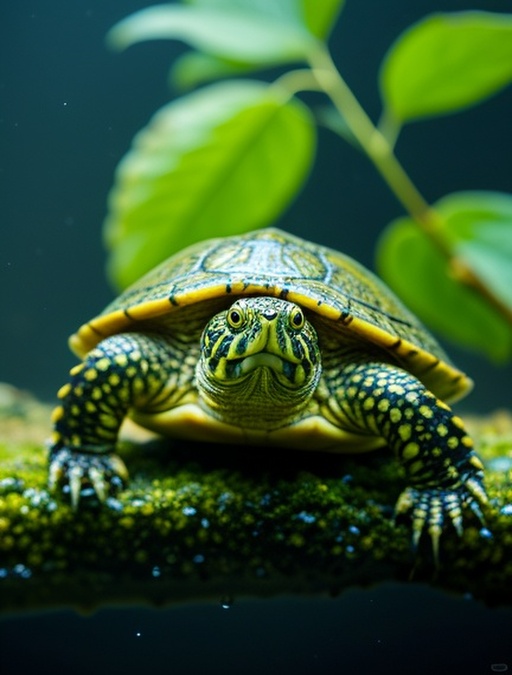
First things first, let's talk about what these cool critters actually eat in the wild. Big-headed turtles are what we call opportunistic omnivores. That's a fancy way of saying they'll eat just about anything they can catch and fit in their mouths! In their natural habitat in Southeast Asia, they munch on snails, worms, small fish, and even some fallen fruit. They're pretty clever hunters, using their strong jaws and that big head to crush shells. So, when we're feeding them at home, we wanna try to mimic this natural diet as much as possible.
Now, here's the golden rule for feeding your big-headed turtle: size matters, big time! Because of their limited jaw mobility, you must offer food that's small and soft enough for them to swallow whole. Think bite-sized pieces. Never, ever give them anything they have to tear apart. Good staple foods include earthworms (chopped up if they're big), small crickets, bloodworms, and high-quality, sinking turtle pellets designed for carnivorous species. You can also offer tiny pieces of cooked fish or shrimp as a treat. Variety is key to good nutrition!
How often should you feed them? For adult big-headed turtles, feeding them every other day is usually perfect. For younger, growing turtles, you might feed them daily. A good amount is about as much food as the size of their head (minus the shell, of course!). Overfeeding is a common mistake – it leads to obesity and dirty water. Always remove any uneaten food after about 15-20 minutes to keep their tank clean.
Alright, let's get into the practical stuff – the actual feeding process. These turtles are primarily aquatic, so you'll be feeding them in the water. Drop the food right in front of them. You might notice they're a bit shy at first. Be patient! Sometimes using feeding tongs can help place the food precisely and get them used to your presence. It's also super important to supplement their diet. About twice a week, you should dust their food with a calcium powder that has vitamin D3. This helps prevent metabolic bone disease, which is a huge risk for captive turtles.
What NOT to feed your big-headed turtle is just as important. Avoid mammal meat like beef or chicken – it's too fatty and hard for them to digest. Stay away from iceberg lettuce; it has no nutritional value. Also, never feed them wild-caught insects from your yard, as they could have pesticides or parasites. And remember, no processed human food! Things like bread, cheese, or lunch meat are a definite no-go.
Finally, let's chat about water and feeding. Big-headed turtles need clean, filtered water to thrive. They often defecate while they eat, so water quality can go downhill fast after a meal. A strong filter is a must-have. Some keepers even move their turtle to a separate, small feeding tank to keep the main habitat pristine. It's an extra step, but it makes maintenance way easier. Pay attention to your turtle's behavior. If they're suddenly refusing food, it could be a sign of stress, illness, or that the water temperature is off. The ideal water temp is around 75-80°F (24-27°C).
Feeding your big-headed turtle can be a really fun and rewarding bonding experience. Once they learn you're the food-bringer, they'll often get excited and swim right up. Just stick to these guidelines – offer small, varied, nutritious foods, don't overfeed, keep that water clean, and supplement with calcium. Do that, and you'll have a thriving, energetic turtle with a healthy appetite for years to come. Happy feeding!