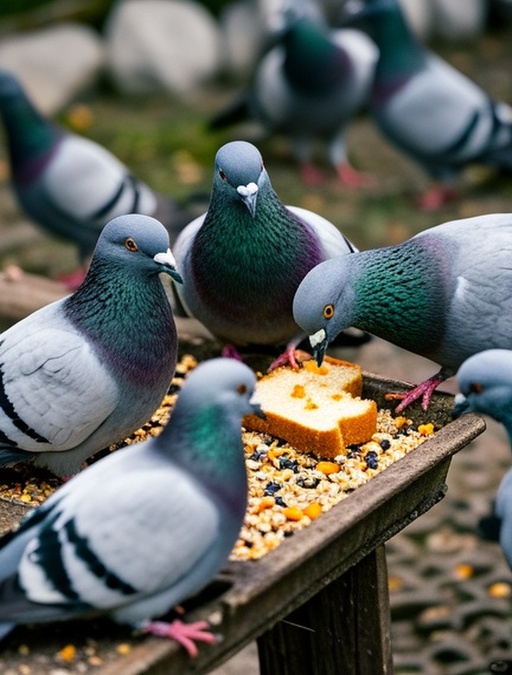
First off, let's get the biggest myth outta the way right now — pigeons don't live off bread crumbs, okay? I've seen so many folks toss slices of white bread to park pigeons and think they're doing good, but that's basically feeding them junk food with zero nutritional value. Too much bread can even make them sick, cause bloating, and mess up their digestive system real bad. If you wanna give a little treat once in a blue moon? Whole grain bread in tiny bits is fine, but it should never be their main food, not even close.
The core of any healthy pigeon diet is a balanced seed and grain mix, y'know? You can grab pre-made pigeon feed from most pet stores or farm supply shops, that's the easiest option for new owners cause they already have all the right ratios mixed up for you. If you wanna make your own mix at home, aim for around 40% corn, 20% wheat, 15% millet, 10% sorghum, 10% sunflower seeds, and 5% other small seeds like safflower. Don't go too heavy on sunflower seeds though, they're high in fat, too many will make your pigeons chonky and lead to health issues down the line.
Seeds alone ain't enough to keep your pigeons healthy, they need fresh produce too, just like we do. You can give them chopped up leafy greens like kale, spinach, dark lettuce (skip the watery iceberg), peas, carrots, broccoli, even small bits of apple or berries. Wash all produce real good first to get rid of pesticides, okay? Give them a small bowl of chopped veggies 3-4 times a week, and don't leave it out for more than a couple hours cause it'll go bad fast, especially in hot weather. I've had owners tell me their pigeons turn their nose up at veggies at first, that's normal! Keep offering small bits, they'll get curious and try it eventually.
There's two non-negotiable extras you gotta have for your pigeons, no exceptions — grit and clean fresh water. Pigeons don't have teeth to chew their food, so they eat small bits of grit that sit in their gizzard and grind up seeds and grains for digestion. You can buy pigeon grit from feed stores, it usually has added vitamins and minerals too, which is a bonus. If you have female pigeons that lay eggs, you gotta add extra calcium too, like crushed oyster shells, to stop them from getting weak bones from laying. And water? Change it at least once a day, more if it gets dirty with poop or food bits. Pigeons drink a lot more than you think, especially in summer, so make sure their water bowl never runs dry.
Now, how much and how often should you feed them? For adult pet pigeons, feeding twice a day works best — once in the morning right after they wake up, once in the evening a couple hours before they roost. For each pigeon, give around 2-3 tablespoons of feed per meal, adjust if you notice they're leaving a lot leftover or gobbling it all up in 2 minutes and looking for more. If you're feeding feral pigeons in your yard, don't leave huge piles of food out all day, that attracts rodents and makes the pigeons dependent on handouts. Give a small amount once a day, only enough that they eat all of it in 15-20 minutes.
Everyone likes giving their pets treats, and pigeons are no exception, but you gotta know what's safe. Good treats include unsalted popcorn, cooked plain rice (no butter or salt), small bits of unsalted nuts, and even mealworms for extra protein once in a while, especially when they're raising babies. Now what to avoid? Salty foods, sugary snacks, chocolate, avocado, anything with caffeine or alcohol — those are all toxic to pigeons, even small amounts can kill them. Also don't give them anything moldy, obviously, that goes for any animal food.
At the end of the day, feeding pigeons ain't rocket science, but it does take a little bit of attention to make sure you're giving them what they need. I've seen pigeons live 10+ years with proper feeding, which is way longer than the 2-3 years most feral pigeons live on the streets. Even if you're just feeding the local park pigeons, swapping out that white bread for a handful of seed mix will make a huge difference for their health, trust me.