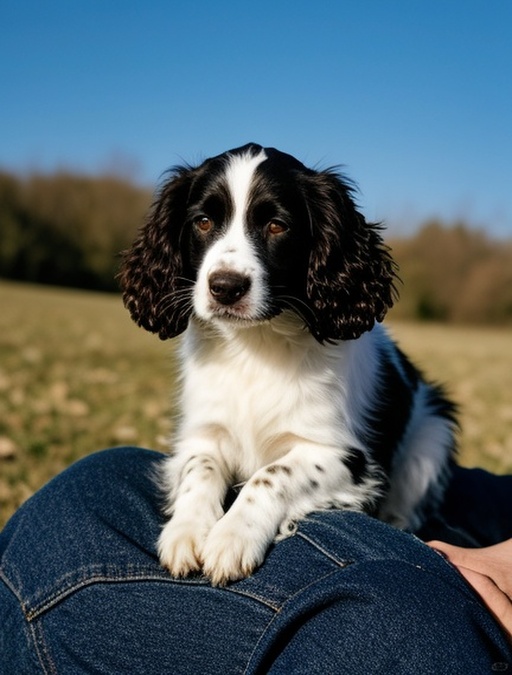
If you’re the proud new parent of an English Springer Spaniel, first off, congrats! These floppy-eared, goofy, energetic pups are some of the best family dogs you could ask for, equal parts cuddle bug and adventure buddy. But before you dive headfirst into long hikes and endless games of fetch, you need to brush up on both general pet ownership regulations and rules that specifically apply to this breed, to avoid costly fines, neighbor drama, or even worse, losing your pup entirely. A lot of new owners assume all dog rules are the same for every breed, but Springers have unique traits that make some regulations extra important to follow, so let’s break it all down step by step.
First up, let’s cover the basic local regulations that apply to all dogs, but are non-negotiable for Springer owners. First on the list is dog licensing. Almost every city, county, and town in the US (and most countries worldwide) requires you to license any dog over 4 months old, and Springers are no exception. To get a license, you’ll usually need to show proof of an up-to-date rabies vaccine, pay a small annual fee (usually $10 to $50, lower if your pup is spayed or neutered), and you’ll get a tag to put on their collar. A lot of new owners skip this because they think “my dog never leaves the yard” but trust me, Springers are master escape artists with a sky-high prey drive. If they catch a whiff of a squirrel or a bird, they’ll bolt under a fence or through an open door before you can blink. If they get picked up by animal control without a license, you’ll pay way more in impound fees than you ever would have paid for the license, and you might even have to go to court in some areas. Also, don’t forget to check your HOA or rental property rules! Even if your city doesn’t ban Springers (they almost never do, since they’re not considered a “dangerous breed”), some HOAs have weight limits for dogs, or ban certain hunting breeds outright. I’ve had way too many clients have to rehome their Springer because they forgot to check their lease terms before bringing the pup home, so don’t make that mistake.
Leash laws are the next big one, and these are extra important for Springer Spaniel owners, I can’t stress this enough. Most public areas, including city parks, sidewalks, and hiking trails, require dogs to be on a leash no longer than 6 feet at all times, unless you’re in a designated off-leash dog park. I know, your Springer might have perfect recall in your backyard, but all that goes out the window when they spot a bird, rabbit, or even a fast-moving bike. Just last year, a client of mine got a $300 fine when their 2 year old Springer pulled free from their loose grip to chase a goose in a city park, knocked over an elderly walker, and caused a small scene. No one was seriously hurt, but the fine was still steep, plus they had to cover the walker’s minor medical bills. Even if you think your pup is the best trained dog on the planet, follow the leash law. It’s not just for other people’s safety, it’s for your Springer’s too—if they bolt into the street after a squirrel, they could get hit by a car, and that’s a tragedy no one wants to deal with. If you want to let them run off leash, only do it in fully fenced, designated off-leash areas, and always make sure their recall is solid before you take their leash off even there.
Vaccination and microchipping regulations are another non-negotiable. Rabies vaccines are mandatory for all dogs in every US state, no exceptions, and you have to keep proof of the vaccine on hand at all times. On top of that, most areas require other core vaccines, including distemper, parvovirus, and adenovirus, to register your dog or bring them to groomers, doggy daycares, or boarding facilities. For Springers specifically, a lot of vets recommend the leptospirosis vaccine too, since these dogs love splashing in puddles, streams, and lakes, and leptospirosis is spread through infected animal urine in standing water. Some areas even require this vaccine if you frequent public parks with water access, so check your local rules. Microchipping is also mandatory in a growing number of cities and states, for all dogs over 3 months old. Even if it’s not required where you live, it’s the best way to get your Springer back if they do escape. Just make sure you update your contact info in the microchip registry every time you move or change your phone number—half the time strays with microchips don’t get returned because the owner’s info is out of date. If you get caught without a required vaccine or microchip, you’ll usually get a warning first, but repeat offenses can lead to fines of hundreds of dollars, or even having your dog impounded.
Now let’s talk about the breed-specific ownership rules that a lot of new Springer owners don’t know about, until it’s too late. First up is animal neglect regulations, which apply extra to this high-energy breed. Almost every area has laws that say you have to provide your dog with adequate food, water, shelter, vet care, and exercise. For most low-energy breeds, that means a 30 minute walk a day is enough, but Springers are working hunting dogs, bred to run and hunt for hours on end. If you leave them cooped up in a crate or a small apartment for 12+ hours a day, no exercise, no mental stimulation, that counts as neglect in a lot of areas, if a neighbor reports you. I’ve seen cases where owners had their Springers taken away because the pup was showing signs of severe stress, destructive behavior, and weight gain from being left alone all the time with no activity. To stay compliant (and keep your pup happy, duh), you need to give your Springer at least 2 hours of active exercise every single day—we’re talking long walks, hikes, games of fetch, swimming, or agility training. On top of that, give them puzzle toys, training sessions, or chew toys to keep their brain busy when you’re not home. It’s not just a rule, it’s what this breed was born to do, so don’t skip it.
Grooming-related neglect rules are another thing to watch out for with Springers. These pups have a thick, double-layered coat that mats super easily if you don’t brush it regularly, plus their long floppy ears are prone to painful ear infections if they’re not cleaned often. A lot of areas have laws that say you have to keep your dog free of painful mats, open sores, and untreated medical conditions, and if animal control shows up and your Springer has matted fur pulling at their skin, or a severe ear infection that’s been left untreated for weeks, that’s considered neglect. You don’t have to take them to a fancy groomer every month if you don’t want to, but you do need to brush them 2 to 3 times a week, trim the fur around their paws and ears regularly, clean their ears once a week, and take them to the vet at the first sign of an ear infection or skin issue. It’s cheap, it’s easy, and it keeps you out of trouble, plus your pup will be way more comfortable.
Barking ordinances are another big one for Springer owners, because this breed is naturally vocal. They were bred to bark to alert their owners when they found game, so it’s in their DNA to bark when they see a stranger, hear a strange noise, or are bored. Most cities have noise laws that say if a dog barks continuously for 20 to 30 minutes, or barks on and off for hours at a time, neighbors can file a complaint, and you’ll get a fine. First time fines are usually around $50 to $100, but repeat offenses can go up to $500 or more, and in extreme cases, you can be forced to rehome your dog. The good news is, most Springer barking issues are super easy to fix. If your pup barks when they’re left alone, make sure they get a long walk or play session before you leave for work, leave them with puzzle toys stuffed with peanut butter or frozen treats to keep them busy, and don’t leave them outside alone for hours on end. You can also train them the “quiet” command with treats, it only takes a week or two of consistent training to get them to stop barking on cue.
Last but not least, let’s cover the rules for taking your Springer out in public spaces, or traveling with them. First, always check the rules for the space you’re going to before you bring your pup. A lot of public beaches, national parks, and playground areas don’t allow dogs at all, even on leashes, and if you get caught bringing your Springer in, you’ll get a fine. Even if dogs are allowed, make sure you pick up all their poop, no exceptions. Poop pickup fines are usually $100+ in most areas, and it’s just common courtesy, no one wants to step in your dog’s mess on a hike or at the park. If you’re traveling across state lines or internationally with your Springer, you’ll usually need a health certificate from your vet dated within 10 days of travel, plus proof of all required vaccines. Some countries have quarantine rules for incoming dogs, so make sure you check that months before you travel, so you don’t get stuck having to leave your pup behind. Also, if you’re thinking about breeding your Springer, make sure you have the proper breeding license from your state or county. Backyard breeding is illegal in a lot of areas, and if you sell puppies without a license, you can face thousands of dollars in fines, and have all your dogs taken away.
At the end of the day, all these regulations aren’t just made up to annoy dog owners. They’re designed to keep your Springer safe, keep your neighbors happy, and make sure everyone can enjoy public spaces without issues. If you follow these rules, you’ll never have to deal with fines or court dates, and you and your goofy, lovable Springer can spend years having fun adventures together, no stress involved. If you’re ever unsure about a specific rule in your area, just reach out to your local animal control office, they’re usually happy to answer questions for new dog owners.