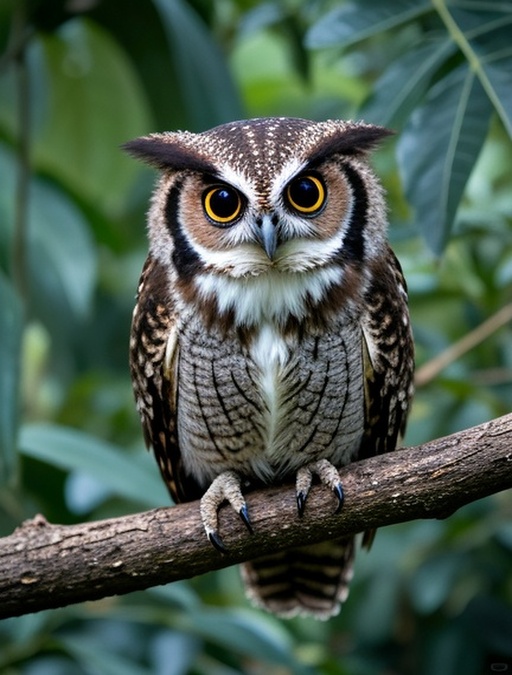
First up, the international rulebook that applies no matter where you live: CITES, the Convention on International Trade in Endangered Species of Wild Fauna and Flora. All 7 species of potoo are listed on CITES Appendices, per the latest 2023 CITES species update. The rarer species, like the Great Potoo, are on Appendix I, which means commercial international trade is 100% banned, full stop. The more common species, like the Common Potoo, are on Appendix II, which means any cross-border sale, transport, or adoption requires both an export permit from the country the bird is coming from, and an import permit from the country you’re bringing it to. There’s no loophole for “personal use” here either, I’ve seen way too many people try to sneak a potoo in their luggage from a trip to Costa Rica and end up with a $10k+ fine and a misdemeanor record. Just last year, a Florida resident was sentenced to 6 months probation and a $12,500 fine for smuggling 3 wild-caught potoos into the US through a Miami airport, so yeah, the rules are enforced.
Next, national and state-level regulations, which vary a lot depending on where you live. In the United States, for example, you need both a USDA Animal and Plant Health Inspection Service (APHIS) import permit if you’re bringing a potoo in from another country, plus a state wildlife conservation permit. Some states, like California, Hawaii, Alaska, and New York, completely ban keeping potoos as pets no matter what paperwork you have, because they’re classified as potentially invasive wild species that could disrupt local ecosystems if they escape. In the EU, all potoo imports have to follow the EU Wildlife Trade Regulations, which are even stricter than base CITES rules, and most member states like Germany and France require you to pass a written exotic pet care test and get a special keeping license before you’re allowed to own a potoo at all. If you live in a country that’s part of the native range of potoos, like Brazil, Colombia, or Costa Rica? You almost always need a special wildlife captivity permit from the national environmental agency, and wild-caught potoos are 100% illegal to own for private individuals, only licensed sanctuaries and research facilities can keep them.
Even if your state or country says potoos are allowed, you still need to check local municipal and housing rules first. A lot of cities have their own bans on “non-domesticated wild bird” ownership, even if the state allows it. I’ve had a friend in Texas who spent 6 months getting all his state permits, only to find out his city has a blanket ban on exotic birds bigger than a cockatiel, so he couldn’t get the potoo he was planning for. If you live in an HOA neighborhood? 90% of HOAs have clauses that ban keeping wild or exotic pets, so you’ll need to check your HOA handbook first, otherwise you can get fined or even evicted if a neighbor reports you. Renters? Almost all standard leases ban exotic pets entirely, so you’ll need written permission from your landlord before you even apply for ownership permits, no exceptions.
It’s not just about getting the right paperwork, either: there are strict welfare regulations you have to follow to keep your potoo legally, otherwise you can be charged with animal cruelty. The American Veterinary Medical Association (AVMA) publishes official guidelines for wild exotic bird care, and potoos have very specific requirements you have to meet to stay compliant. First, they need a huge enclosure: minimum 8 feet tall, 6 feet wide and 6 feet deep, because they’re wild birds that fly to hunt for insects in the wild, a standard parrot cage is way too small and will cause them extreme stress. They need natural branch perches of varying thicknesses, low light during the day since they’re nocturnal, and a diet of 100% live flying insects like moths, beetles, and crickets, you can’t feed them parrot seed or pre-made bird food, that will make them sick really fast. You also have to have a registered exotic avian vet on file with your local wildlife agency before you get your ownership permit, most regular cat and dog vets don’t have the training to treat potoos, and skipping vet care is a fast way to get your bird seized and get hit with animal cruelty charges.
Another super important rule: you can only own captive-bred potoos, no wild-caught ones. Harvesting potoos from the wild is banned in all their native countries, and owning a wild-caught potoo is a felony in most places, even if you didn’t know it was wild caught when you bought it. You have to get full, verifiable paperwork from your breeder proving the potoo was bred in captivity, with lineage records, CITES registration numbers if it was imported, and proof that the breeder is licensed to breed exotic birds. A lot of sketchy online sellers will try to pass off wild-caught potoos as captive bred for cheaper, so always ask for all the paperwork first, and verify it with your state wildlife agency before you pay anything. If a seller won’t show you paperwork, walk away immediately, it’s not worth the risk.
Even if you jump through all the legal hoops, there are ethical regulations and recommendations you should consider too. The Humane Society and most exotic bird welfare organizations strongly advise against private potoo ownership, even if it’s legal where you live. Potoos are wild animals, they haven’t been domesticated at all, so most of them get extreme stress in captivity, even if you have the perfect enclosure. Captive potoos have an average lifespan of 8 to 10 years, while wild potoos can live up to 15 years, which is a big difference. If you really love potoos, a way better option is to volunteer at a local exotic bird sanctuary or sponsor a potoo at a wildlife rescue, that way you get to interact with them without putting a wild animal through the stress of captivity, and you don’t have to worry about breaking any rules. If you still really want to own a potoo, the first step you should take is to call your state or national wildlife agency, ask for a full list of requirements, get all your permits approved first, and only work with licensed, reputable breeders who can provide all the necessary paperwork. Don’t cut corners, it’s not worth losing the bird you love or getting in serious legal trouble.