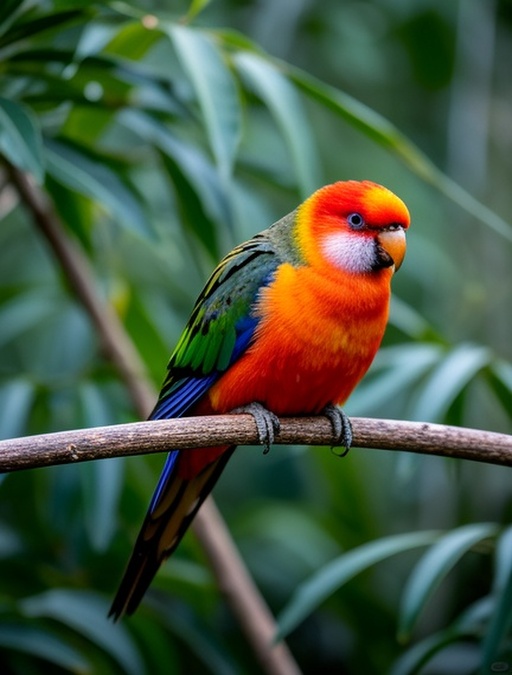
First things first, get into the habit of doing a 2-minute daily health check for your Rosella, no fancy tools required. According to data from the Avian Veterinary Association of Australia (AVAA), 68% of preventable Rosella health issues are caught by owners who do quick daily checks, long before the problem gets serious. What do you look for? Start with their feathers: are they fluffed up all day even when it’s not cold? Are there bald patches or broken feathers they’re pulling out? Next check their eyes and nostrils: they should be clear, no crusty discharge or redness. Peek at their beak too, it should be smooth, no cracks or unusual overgrowth. Finally, check their droppings when you refresh their food bowl – runny droppings for one day is normal if they ate extra fruit, but if it lasts more than 24 hours, that’s a red flag you need to watch closely. Y’know, this is such a small habit, but it’s saved so many of my clients’ birds from expensive emergency vet visits down the line.
Diet is hands down the biggest factor that impacts your Rosella’s long-term health, and it’s also the area where most owners mess up first. AVAA research shows that 72% of captive Rosellas over 3 years old who are fed a seed-only diet develop either vitamin A deficiency or fatty liver disease, both of which can be fatal if left untreated. A lot of people think parrots only eat seeds, but that’s like feeding a human only potato chips every day – it’s full of fat, missing most key nutrients. The right diet breakdown for Rosellas is 60% high-quality medium-sized parrot pellets, 30% fresh produce, and only 10% seed mix as an occasional treat. For the produce part, stick to leafy greens, sweet potato, carrots, apples, berries, and papaya – avoid avocado, chocolate, caffeine, and rhubarb at all costs, those are toxic to all parrots. I usually chop up a big batch of kale, grated sweet potato and blueberries every Sunday, so I can just scoop a little into my own Rosella Mango’s bowl every day. When I first got Mango 6 years ago, his previous owner only fed him sunflower seeds, his feathers were dull and he was underweight. After 3 months of the balanced diet, his red chest feathers were so bright they almost glowed, and he had way more energy to play.
Next, let’s talk about the most common health issues Rosellas face, so you know what to watch out for. The first big one is Psittacine Beak and Feather Disease (PBFD), a highly contagious viral infection that’s super common in Australian parrot species like Rosellas. Signs include sudden feather loss, beak deformities, weight loss, and frequent infections. There’s no cure for PBFD, so prevention is key: always quarantine any new bird you bring into your home for at least 30 days, and get a PBFD test from your avian vet before introducing them to other birds. The second common issue is respiratory infections, which usually happen if your Rosella’s cage is near a drafty AC vent, or if their cage is dirty with old food and mold. If you hear your Rosella wheezing, sneezing constantly, or see discharge from their nose, get them to the vet right away, respiratory infections can turn fatal in just 48 hours for small birds. Third is beak and nail overgrowth, which happens if they don’t have enough chew toys or textured perches to file them down naturally. Never try to trim your Rosella’s beak yourself, there are tiny blood vessels running through it that can cause severe bleeding and infection if you cut them wrong, always let an avian vet handle that.
Keeping their habitat clean and set up correctly is another huge part of preventing health issues before they start. First, get the right cage size: minimum 24 inches wide, 24 inches deep, and 36 inches tall for a single Rosella. These birds love to climb and fly short distances, so a cramped cage will make them stressed and weaken their immune system. Clean the entire cage once a week: take out all perches, toys, and food bowls, wash them with mild unscented dish soap, and wipe down the cage bars with a 10% white vinegar solution (avoid harsh bleach or cleaning products, the fumes are toxic to birds). Use perches of different textures and thicknesses: natural wood perches from non-toxic trees like eucalyptus or apple wood are perfect, they help file down nails and keep their feet healthy, unlike smooth plastic perches that can cause foot sores. Don’t put the cage right in front of a window that gets direct sun all day, that can overheat your bird, and don’t put it near drafty doors or AC vents. Also, make sure your Rosella gets 10-12 hours of uninterrupted darkness every night, you can cover their cage with a breathable cotton cover if your room is bright at night. Sleep deprivation makes their immune system way weaker, I’ve seen so many Rosellas get sick because their owners leave the TV on late every night right next to their cage.
Regular vet visits are non-negotiable for good Rosella health care, even if your bird looks totally fine. Rosellas are wild animals at heart, so they have a natural instinct to hide illness – in the wild, looking sick makes you an easy target for predators, so they won’t show obvious signs until they’re already very sick. According to AVAA guidelines, you should take your Rosella to an avian specialist vet at least once a year for a routine checkup. The vet will weigh them (sudden weight loss is one of the first signs of illness that you might not notice), do a fecal test for internal parasites, run a quick blood panel to check vitamin levels and organ function, and trim their nails or beak if needed. If you notice any sudden changes in your Rosella’s behavior: not eating for more than 12 hours, fluffed up all day, not chirping or playing, or sitting on the bottom of the cage, don’t wait a day or two to see if they get better, take them to the vet immediately. Last year I had a client who waited 3 days to take their Rosella Kiwi to the vet when he stopped eating, and by then he had severe kidney damage that could have been prevented if they came in earlier.
Don’t sleep on mental health either, it’s just as important as physical health for Rosellas. These are super smart, social birds, and boredom and loneliness can lead to stress-related health issues like feather plucking, aggressive behavior, and even a weakened immune system. Make sure you give them a variety of toys: chew toys made of wood or palm leaves, puzzle toys that hide treats, bells, and ladders to climb on. Rotate their toys every 7-10 days, so they don’t get bored of the same old stuff. Spend at least 30 minutes a day interacting with your Rosella, talk to them, teach them tricks, or let them sit on your shoulder while you watch TV. Let them out of their cage to fly around a safe, closed room for at least an hour every other day, just make sure all windows and doors are closed, there are no other pets loose, and no toxic plants or small objects they can chew on and swallow. A happy, stimulated Rosella is way less likely to get sick, and will live way longer than a bird that’s stuck in a cage all day with nothing to do.