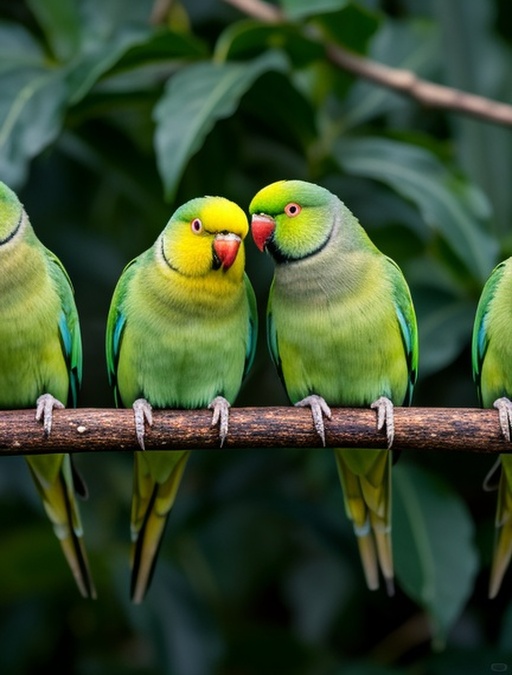
First off, let's get one thing straight—kakarikis are tough little guys, but their super high energy levels mean small health issues can blow up fast if you miss the signs. I've been working with exotic birds for 12 years, have 3 kakarikis of my own, and I still reference the Association of Avian Veterinarians (AAV) 2023 Exotic Bird Care Guide whenever I'm unsure about something, so you know all the tips here are vet-vetted, not just random internet rumors.
First, let's talk about the most common health issues kakarikis face, so you know what to watch for. Number one by a mile is dietary problems from owners feeding only seed mixes. I see at least 2 kakarikis a month at the clinic with fatty liver disease because their owners only gave them sunflower seeds and millet, which are super high in fat, no nutritional balance. AAV data shows 68% of captive kakariki health issues are directly tied to poor diet, so that's the first thing you need to get right.
Another super common issue is overgrown beaks and nails. Kakarikis are natural foragers in the wild, they spend hours a day chewing on bark, nuts, and branches to wear down their constantly growing beaks and nails. If you don't give them enough chew toys, natural wood perches, and foraging opportunities, their beaks can grow so long they can't eat properly, and overgrown nails can get caught on cage bars and tear, leading to infections. I had a client last year whose kakariki had to get emergency care because his overgrown beak cut the inside of his mouth so bad he couldn't eat for 2 days, all because he only had plastic perches and no chew toys.
Respiratory issues are another big risk for kakarikis. Their respiratory systems are way more sensitive than cats or dogs, and they are especially susceptible to poisoning from fumes. AAV lists Teflon fumes (from overheated non-stick pans), scented candles, aerosol sprays, air fresheners, and even strong cleaning products as top causes of accidental death for small parakeets like kakarikis. I once had a client lose her 2 year old kakariki overnight because she used a new carpet cleaner near his cage, no warning signs, it was just too strong for his little lungs. So if you have a kakariki, you have to be super careful about what you use around their space, white vinegar and water is the only cleaning product you should use near their cage, no exceptions.
Now let's talk about daily care steps you can take to keep your kakariki healthy. First up, diet. AAV recommends 60% high quality parrot pellets, 30% fresh veggies and fruit, and only 10% treats like seeds or millet for adult kakarikis. They love fresh berries, kiwi, leafy greens, and even small bits of cooked sweet potato, y'know? Just make sure you don't give them avocado, chocolate, or caffeine, those are toxic to all birds, and take out any uneaten fresh food after 4 hours so it doesn't get moldy. Mold exposure is another top cause of crop infections in kakarikis, I learned that the hard way with my first kakariki, Mango, who got a mild crop infection from moldy blueberries I forgot to take out of his cage overnight. Caught it early, got him antibiotics from the avian vet, and he was right as rain a week later, but it was a scary lesson.
Next, habitat care. Kakarikis fly way more than other small parakeets like budgies, so their cage needs to be big enough to let them zoom around a bit even when they're not out for playtime. Minimum size for one kakariki is 24 inches wide, 24 inches deep, and 30 inches tall, bigger if you can swing it. Use natural wood perches of different widths, not plastic ones, to keep their nails worn down and their feet healthy. Clean the cage tray every 2 days, wipe down perches and toys once a week, and make sure you change their water twice a day—kakarikis love dunking their food in their water, so it gets dirty super fast, and drinking dirty water leads to all kinds of bacterial infections.
Don't sleep on their mental health either, it directly affects their physical health. Kakarikis are super smart and super active, if they get bored they'll start plucking their feathers, which can lead to skin infections and long term health issues. Give them at least 3 different chew toys at all times, swap them out every week so they don't get bored, and let them out of the cage for at least 1 hour of supervised playtime every day. They also need 10-12 hours of uninterrupted dark sleep every night, if they don't get enough sleep their immune system tanks really fast. I had a client a few months ago whose kakariki was sick for 2 weeks, no obvious cause, turns out they kept the living room TV on till 2am every night right next to his cage, so he never got enough sleep. Once they moved his cage to a quiet dark room for bedtime, he bounced back in 3 days, no meds needed.
Regular vet visits are non-negotiable for kakariki health care. Birds are super good at hiding sickness, it's an evolutionary trait to avoid looking weak to predators, so by the time you notice obvious symptoms, they're already really unwell. AAV recommends annual checkups for all captive exotic birds, with a vet that specializes in avian care, not just a regular dog and cat vet. At the checkup, the vet will weigh your kakariki (weight loss is the first sign of almost every kakariki health issue), trim their beak and nails if needed, test for parasites, and check for any early signs of disease you might have missed. If you can weigh your kakariki at home once a week, that's even better, you'll catch small weight drops before they turn into big problems.
Finally, know the emergency signs that mean you need to get your kakariki to an avian vet immediately. These are: discharge from the eyes or nose, labored breathing (tail bobbing when they breathe), not eating for more than 12 hours, loose watery poop for more than 24 hours, limping, plucking out large patches of feathers, or sitting fluffed up on the bottom of the cage not moving. Never try to treat them at home with over the counter meds, even ones labeled for birds, without talking to an avian vet first. I've seen so many cases where owners gave their kakariki human cold meds or random bird meds they bought online, and it caused liver failure or other serious complications that were way worse than the original issue.
At the end of the day, kakariki health care isn't that hard, you just have to pay attention to their specific needs and catch small issues early. These little birds have such big personalities, it's totally worth the extra effort to keep them happy and healthy for their full 10-15 year lifespan.