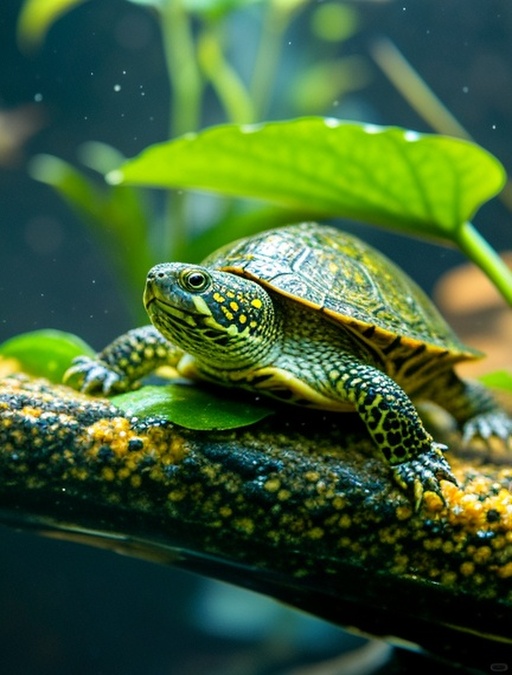
Let’s start with the basics: common musk turtles are omnivores, but their diet needs shift a lot as they age, per ARAV’s 2023 aquatic turtle care manual. Baby musk turtles (under 1 year old) are growing super fast, so they need way more protein to support their bone and shell development. Once they hit adulthood at around 3 years old, their metabolism slows down a ton, so too much protein will lead to obesity, kidney damage, and shell pyramiding – that bumpy, uneven shell you’ve probably seen on poorly cared for aquatic turtles. Don’t stress if you didn’t know this before, it’s a super common mistake new owners make, and you can fix it pretty easily if you catch it early.
First up, age-based feeding frequency, the rule that most new owners get wrong. For babies under 1 year: feed small portions once a day, no exceptions. They’re growing fast, so they need consistent nutrition. For juveniles between 1 and 3 years old: drop feeding to every other day. Once they’re 3 years or older, and full grown (they only get to be 3-5 inches long, super tiny!), only feed them 2 to 3 times a week. I know it feels like you’re starving them, but I promise you’re not. Last year I worked with a client who fed her 4 year old musk turtle every single day because he would swim up to the glass and beg every time she walked past. That little guy got so obese he couldn’t fully tuck his head and legs into his shell, and he had early signs of kidney strain. We switched him to 2 feedings a week, adjusted his protein intake, and 6 months later he was back to a healthy weight, no permanent damage.
Next, the safe food list – what you should be feeding them, and what to stay far away from. Let’s split this into protein sources, plant sources, and occasional treats. For protein, the base of their diet should be high-quality commercial aquatic turtle pellets. Make sure the pellets have 32-36% protein for babies and juveniles, and 28-32% protein for adults, per the Reptile Nutrition Council’s 2022 guidelines. Other great protein options include frozen or live bloodworms, brine shrimp, earthworms (these are one of the best natural options, they’re packed with calcium and easy for them to digest), and small feeder guppies or minnows. Stay far away from goldfish, rosy reds, or other coldwater feeder fish – they have high levels of thiaminase, an enzyme that breaks down vitamin B1 in your turtle’s body, leading to neurological issues if fed regularly.
Now plant matter, which a lot of owners skip entirely, but it’s super important for adult musk turtles. Adults should get about 40% of their diet from plant sources, juveniles about 20%, and babies can have 10% until they hit 1 year old. Great plant options include duckweed, water lettuce, water hyacinth (these float in the tank so your turtle can nibble on them whenever they want), shredded kale, collard greens, turnip greens, and pesticide-free dandelion greens. Skip iceberg lettuce, it has almost no nutritional value at all, it’s just water and crunch, your turtle might like it but it’s not doing anything for their health.
Treats are fine, but only in strict moderation, okay? You can give things like mealworms, waxworms, small pieces of cooked unseasoned shrimp, or tiny pieces of mango once a week max, and only as a reward for training or when you’re doing tank maintenance. Don’t give them any human processed food, bread, dairy, raw grocery store meat, or sugary fruits – their digestive systems can’t handle those, and you’ll end up with a sick turtle and a big vet bill.
Supplements are non-negotiable if you want your musk turtle to have a strong, healthy shell and avoid metabolic bone disease, one of the most common health issues in captive aquatic turtles. First, calcium powder without D3: dust this on their food 2-3 times a week for babies, 1-2 times a week for adults. Then calcium powder with D3: dust this once a week, especially if your turtle doesn’t get regular unfiltered natural sunlight (you can’t get UVB through glass, so even if their tank is by a window, they’re not getting the UVB they need to absorb calcium). Finally, a reptile-specific multivitamin powder, dusted on their food once a week, to cover any nutritional gaps in their diet. And don’t forget the UVB light! You need a 5-7% UVB bulb over their basking area, changed every 6 to 12 months even if it still lights up – the UVB output stops long before the bulb burns out. This is non-negotiable, even if you’re giving them calcium supplements, they can’t absorb that calcium without UVB exposure.
Now my favorite pro feeding tips that make your life way easier, and keep your tank cleaner. First, feed your turtle in a separate small container filled with water from their main tank, instead of feeding them directly in the tank. All the leftover food and turtle waste from eating stays in the small container, so you don’t have to deal with murky, smelly tank water 2 days after a feeding. Just dump out the container after they’re done eating, rinse it, and you’re good to go. Second, the portion rule of thumb that I learned from Dr. Mark Miller, a herpetologist with 30 years of experience working with aquatic turtles: feed your turtle an amount of food that’s roughly the same size as their head, not including their neck. That’s the perfect portion, no need to weigh out pellets or count worms every single time. Third, if they haven’t finished all their food after 15 minutes, take the leftovers out. Don’t leave it sitting in the water to rot, it’ll mess up your water parameters and make your turtle sick. Fourth, ignore the begging! Musk turtles are total drama queens, they’ll act like they haven’t eaten in weeks even if you fed them 2 hours ago. Giving in to their begging leads to overfeeding, which is way more dangerous than underfeeding for adult turtles.
Let me leave you with a quick story to drive this home. Last year, a 16 year old kid brought his 2 year old musk turtle into the vet clinic I consult at, the turtle’s shell was soft and lumpy, and he was having trouble swimming. Turns out the kid was only feeding his turtle bread and mealworms for almost a year, no supplements, no veggies, no UVB light. We put him on a proper diet of pellets, earthworms, collard greens, added calcium and multivitamin supplements, got him a good UVB bulb, and 8 months later, his shell was hard and almost completely back to normal. Feeding your musk turtle correctly isn’t hard, you just have to follow the rules and not cut corners. Your little stinkpot can live up to 50 years with proper care, so getting their diet right is the best investment you can make in their long term health.