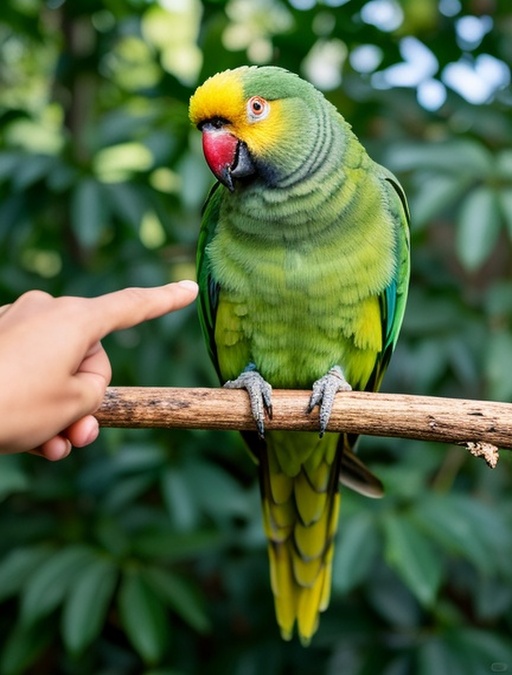
First off, let’s get one thing straight before you even pick up a treat bag: Amazon parrots have super short attention spans, and they ain’t gonna sit through a 45 minute training session no matter how many mango slices you have. Per the 2023 Association of Avian Veterinarians (AAV) avian behavior report, the optimal training window for adult Amazon parrots is 8 to 15 minutes per session, one to two sessions a day. Pick a time when your bird is alert, not super hungry (hangry parrots are grumpy parrots, trust me) and not ready for their nap. Keep the space quiet, no blaring TV, no other pets running around, so your parrot can focus on you and what you’re teaching.
The number one rule for all Amazon parrot training? Only use positive reinforcement, zero punishment, full stop. The Avian Behavior Institute’s 2022 study on parrot training methods found that positive reinforcement is 87% more effective for Amazon parrots than scolding, spraying with water, or other punishment tactics, and it cuts the risk of long-term aggressive behavior by 60% too. Let’s say you’re teaching the basic “step up” command, the first thing every Amazon should learn. Hold your finger or a training perch gently against their lower chest, and the second they lift their foot to step on, give them their absolute favorite treat (for most Amazons, that’s a small piece of mango, walnut, or a favorite seed mix bite) and gush praise like they just won a bird Oscar. If they bite or refuse to step up? Don’t yell, don’t yank your hand away fast (they’ll think that’s a fun game), just slowly pull back, wait 30 seconds, and try again. Yelling or punishing them only teaches them that you’re scary, and that biting gets them the attention they want, even if it’s negative attention.
Let’s tackle the most common annoying Amazon behavior first: nonstop ear-splitting screaming. I’ve had so many clients call me panicking saying their parrot screams for 4+ hours a day, and they think the bird is just being a brat. But 9 times out of 10, per AAV data, excessive screaming in Amazons is just their way of saying they’re bored, lonely, or they want your attention. The worst thing you can do is run over to their cage the second they start screaming, that rewards the behavior 100%. Instead, wait for a 2 to 3 second lull in the noise, then walk over, give them a treat, and talk to them. Over time, they’ll learn that being quiet gets them your attention, not screaming. Also, load their cage up with foraging toys! Amazon parrots are natural foragers in the wild, they spend 4 to 6 hours a day looking for food, so if all their food is just sitting in a bowl, they’ve got way too much free time to scream. I had a client last year with a 7 year old blue-fronted Amazon that screamed almost 6 hours a day while she was at work. We swapped out half his regular food bowls for foraging puzzles, added 2 new rotating toys a week, and implemented the quiet reward rule. In 3 weeks, his daily screaming dropped to less than 15 minutes total, no joke.
Next super common issue: biting. Amazon parrots have super strong beaks, and a bite can hurt bad, so it’s important to nip this behavior in the bud early. First, you gotta figure out why they’re biting, because punishing them for a bite that’s caused by fear or discomfort is super unfair. A lot of Amazons are super territorial of their cages, so don’t stick your hand right into their space to grab them, that’s a surefire way to get bit. Instead, open the cage door, hold your hand or perch near the entrance, and let them come to you. Watch their body language too! If their eyes are pinning (rapidly dilating and constricting), their feathers are fluffed up, or they’re leaning away from you with their beak open, they’re not in the mood to interact, so leave them be for a bit. If they do bite you, don’t react dramatically. Stay calm, say a soft “no”, place them gently back on their perch, and ignore them for 1 minute before trying again. Don’t hit them, don’t spray them with water, that just makes them trust you less and more likely to bite again later.
Once you’ve got the basics down, training fun tricks is a great way to build a stronger bond with your Amazon, and it keeps their brain busy too. Target training is one of the most useful tricks you can teach, and it’s super easy. Grab a small plastic stick or a chopstick, hold it a few inches away from your parrot’s face, and the second they touch the end of the stick with their beak, give them a treat and praise. Once they get the hang of it, you can use the stick to guide them where you want them to go, no grabbing required, which cuts down on biting risk a ton. Amazons are also super vocal, so you can incorporate word training into your sessions too! Say a simple word like “hello” or their name every time you give them a treat, and most Amazons will pick up the word in a week or two. I’ve seen some Amazons learn up to 50 different words and phrases with consistent short training sessions, it’s wild how smart they are.
Let’s go over the most common mistakes owners make that mess up their training progress, so you can avoid ‘em. First, inconsistent rules. If you let your parrot sit on your shoulder one day, then yell at them for trying to sit on your shoulder the next, that’s super confusing for them, and it leads to behavioral issues. Sit down with everyone in your household and agree on the rules: can they sit on shoulders? Can they eat table food? What commands do you all use? Consistency is everything. Second, skipping training sessions. Even 10 minutes a day is way better than 2 hours once a week. Amazons thrive on routine, so if you train at the same time every day, they’ll start looking forward to it. Third, overdoing the treats. Per AAV nutrition guidelines, treats should only make up 10% of your parrot’s daily diet, so don’t give them 20 walnut halves in one training session, you’ll end up with an overweight parrot with health issues. Use small treat bites, like a tiny piece of fruit or a quarter of a nut, so you can reward them lots without overfeeding.
One last thing to remember: Amazon parrots can live 50 to 70 years with proper care, so training isn’t a one-and-done thing, it’s a lifelong process. Some days they’ll be super focused and learn a new trick in 5 minutes, other days they’ll be stubborn and refuse to do anything you ask, and that’s totally normal. Be patient, be gentle, and remember that the goal of training isn’t to have a perfect robot bird, it’s to build a trusting, fun relationship with your feathered friend that lasts for decades.