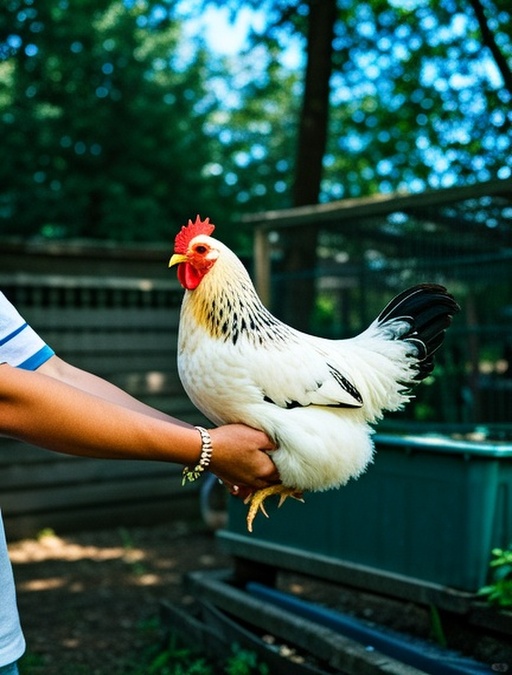
Let’s start with the easiest, most impactful thing you can do for your flock’s health: 2-minute daily check-ins. Every single morning when you head out to refill feed and water, take a quick scan of every chicken in your coop. Per USDA 2023 Poultry Health Guide recommendations, you’re looking for four main things: bright, alert eyes, no runny nose or eye discharge, normal walking posture (no limping or waddling weirdly), and interest in food and water. If one chicken is huddled off in the corner all puffed up, ignoring the feed bucket, that’s your first sign something’s off, and you should separate her from the rest of the flock right away so whatever she has doesn’t spread. I can’t tell you how many times I caught a minor parasite issue before it took over the whole flock just by noticing one hen was hiding instead of running over for her favorite scratch treat first thing in the morning.
Next up, the most common health issue almost every flock will deal with at some point: external parasites like mites and lice. These tiny bugs love to hang out in warm coop bedding, and they latch onto chickens’ skin under their feathers, usually around the vent and under their wings. You’ll spot an infestation if your chickens are scratching nonstop, have bare patches of skin where they’ve pulled out feathers, or if you part their feathers and see tiny fast-moving bugs or little white egg clusters stuck to the base of their feathers. A 2022 study from the University of Kentucky Cooperative Extension found that regular coop cleaning cuts parasite risk by 78%, so that’s your first line of defense. If you do spot mites or lice, don’t panic! Grab food-grade diatomaceous earth (make sure it’s food grade, the pool stuff is toxic to chickens) and dust it all over their bedding, and lightly dust it on each chicken’s feathers, avoiding their face. If the infestation is bad, pick up a poultry-safe insecticide dust from your local feed store, follow the directions on the bottle, and re-treat in 10 days to kill any newly hatched bugs. Ain’t no need to call a vet for this one, it’s super easy to fix on your own.
One issue you do have to act fast on, though, is egg binding, which mostly affects laying hens between 1 and 3 years old. Egg binding happens when an egg gets stuck in a hen’s reproductive tract, and it can be fatal if you don’t help her within 24 hours. The signs are super easy to spot: she’ll be waddling like a penguin, straining like she’s trying to poop, and she’ll probably stay huddled in one spot instead of moving around with the flock. Purdue University’s Poultry Science Department 2024 guidelines say the first thing to do is gently pick her up, wrap her in a warm damp towel, and hold her over a bowl of warm (not boiling!) steam for 10 to 15 minutes to relax her muscles. After that, rub a tiny bit of plain vegetable oil around her vent to lubricate the area, then put her in a dark, quiet crate by herself with food and water. 9 times out of 10, she’ll pass the egg within an hour or two. If she doesn’t, don’t try to poke or squeeze the egg out yourself—you could break it inside of her, which will cause a life-threatening infection. Call a vet that works with poultry right away if she doesn’t improve quickly.
You’ve probably heard the saying “prevention is better than cure”, and that’s 100% true for chicken health, starting with their diet. So many new keepers make the mistake of feeding their chickens nothing but table scraps and scratch grains, and then wonder why their hens are laying soft-shelled eggs or acting lethargic. Adult laying hens need a commercial layer feed that has 16-18% protein as their main diet, per USDA recommendations, and you should only give treats like scratch, fruit, veg, or table scraps as 10% or less of their daily food. Too many low-nutrient treats make them overweight, which leads to heart issues, laying problems, and even a shorter lifespan. You should also keep a separate feeder of crushed oyster shells in your coop at all times—this gives them extra calcium to make strong egg shells, so you don’t end up with squishy eggs that break inside the hen. One mistake I made my first year? I skipped the oyster shells because I thought the layer feed had enough calcium, and I ended up with three hens dealing with soft egg issues in one month. Don’t be like past me, just keep the oyster shells out, it’s cheap and saves you so much trouble.
Coop hygiene is another huge part of preventing health issues before they start. Wet, moldy bedding is the root cause of so many common chicken problems: respiratory infections from mold spores, bumblefoot (a painful bacterial infection on the bottom of their feet) from standing on damp, rough ground, and parasite infestations we talked about earlier. I recommend spot-cleaning your coop every 3 days: scoop out any wet bedding around the waterer and nesting boxes, and replace it with fresh pine shavings or straw. Do a full deep clean once a month: take out all the old bedding, scrub the perches, nesting boxes, and floor with a mild, poultry-safe disinfectant, let it dry completely, then put fresh bedding down. You also want to make sure your coop has good ventilation year round—yes, even in the winter. Stuffy, humid air is way worse for chickens than cold air, so leave small gaps near the top of the coop for air flow, just make sure there are no drafts blowing directly on them when they’re roosting at night.
Another thing new keepers panic about a lot that’s actually totally normal? Molting. Once a year, usually in the fall, chickens will lose all their old feathers and grow new ones for the winter. When they’re molting, they’ll look super rough, have bare patches all over, and they’ll stop laying eggs completely for 4 to 8 weeks. I remember my first year of keeping chickens, I thought my whole flock had some terrible disease when they started molting, I called the extension office panicking at 8 am on a Saturday, I was so embarrassed when they told me it was just a normal molt. When your flock is molting, you can give them a little extra protein (like mealworms or a high-protein grower feed for a few weeks) to help them grow new feathers faster, but other than that, you don’t need to do anything special, they’ll be back to normal before you know it.
The last thing I want to cover is basic biosecurity to keep serious diseases like avian flu out of your flock. The USDA’s 2024 Biosecurity Guide for Small Flocks says the number one rule is to never wear the same shoes and clothes to another person’s chicken coop or a farm with birds that you wear to your own coop. If you go to a poultry swap or a friend’s house that has chickens, change your clothes and scrub your shoes with disinfectant before you go near your own flock. You should also avoid feeding your chickens any wild bird scraps, and keep wild bird feeders at least 50 feet away from your chicken coop, because wild birds can carry diseases that will make your chickens sick. These are tiny little habits that take 2 extra minutes a day, but they can save your whole flock from a deadly disease outbreak.
At the end of the day, chickens are way tougher than most new keepers think. You don’t need a bunch of fancy supplies or a vet degree to keep your flock happy and healthy. Stick to these basic rules, pay attention to your chickens’ normal behavior so you can spot when something’s off, and you’ll have years of fresh eggs and silly chicken adventures ahead of you. If you ever are unsure about something, don’t be afraid to call your local county extension office’s poultry expert—most of them are happy to answer questions for free, and they know the common health issues in your local area better than anyone.