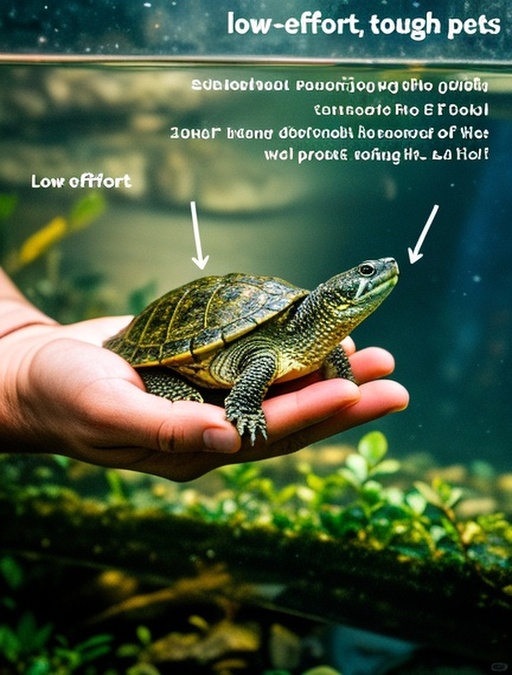
First off, let’s talk about the weekly at-home health checks you should be doing, no exceptions. According to the Association of Reptilian and Amphibian Veterinarians (ARAV), 72% of pet snapper health issues stem from husbandry mistakes that could be caught early with regular quick checks. You don’t need any fancy equipment for these, just 5 minutes a week. Look over their shell for any soft spots, discoloration, or weird slimy patches. Check their eyes to make sure they’re clear, no swelling or crusty discharge. Note their appetite: if they’re turning down their favorite snack when they’d usually scarf it down, that’s an early red flag. I also recommend keeping a little notebook to track when they eat and poop, so you don’t have to guess if they skipped a meal last week or if it’s just been a few days. Snappers are really good at hiding illness, it’s a wild survival instinct, so small changes are usually the first sign something’s off.
Shell health is one of the biggest pain points for snapper owners, so let’s dive into that first. Shell rot is the most common issue, and it’s almost always caused by dirty water or a lack of proper basking space. It starts as little pale or red soft spots on the shell, and if left untreated, it can eat through the shell to the bone underneath, which is super painful and potentially fatal. To prevent shell rot, first make sure your tank has a heavy-duty filter: snappers are messy eaters and produce a ton of waste, so a filter rated for twice the size of your tank is non-negotiable. Change 30% of the water every single week, no skipping. You also need a dry basking spot where they can climb completely out of the water, with a UVB bulb that’s replaced every 6 months (even if it still lights up, the UVB rays stop working after that time). The basking spot temperature should sit between 85 and 90 degrees Fahrenheit, so they can dry off completely and absorb calcium to keep their shell strong. If you notice early signs of shell rot, you can gently clean the spot with diluted betadine (1 part betadine to 10 parts water) once a day, and let them stay dry for an hour after cleaning before putting them back in the water. If it doesn’t clear up in 3 days, head to a reptile vet immediately.
Diet-related health issues are another super common problem I see all the time. A lot of new owners think snappers can just eat raw meat or feeder fish every day, but that’s a one-way ticket to obesity, liver disease, and metabolic bone disease. Per ARAV feeding guidelines, baby snappers under 3 years old need a diet that’s 60% protein (earthworms, cooked unseasoned chicken, low-fat feeder fish like guppies, commercial snapper pellets), 30% leafy greens, and 10% aquatic veggies like duckweed or water hyacinth. Adults over 3 years old need less protein: 40% protein, 40% leafy greens, 20% aquatic veggies. Don’t feed them every single day! Babies get fed every other day, adults only 2 to 3 times a week. You also need to dust their food with calcium powder twice a week, and a multivitamin once a week, to prevent metabolic bone disease. That disease makes their shell and bones soft, causes limping, and can lead to permanent deformities or death if not caught early. Pro tip: don’t feed them wild-caught fish or bugs, they can carry parasites or pesticides that will make your snapper sick. And skip the fatty stuff like raw pork or processed human food entirely, it’s way too hard on their digestive system.
Your snapper’s habitat directly impacts their immune system, so getting the setup right cuts your health risk in half. Water temperature should stay between 75 and 80 degrees Fahrenheit for adults, 78 to 82 degrees for babies. If the water gets too cold, their metabolism slows way down, their immune system drops, and they’re at super high risk for respiratory infections. Signs of a respiratory infection include bubbling from their nose or mouth, breathing with their head held way up, lethargy, and refusing food. Respiratory infections get bad really fast, so if you see any of these signs, don’t wait a few days to see if it gets better, go to a reptile vet right away. Also, skip the small gravel or tiny decorative rocks in your tank! I can’t tell you how many clients I’ve had come in panicking because their snapper swallowed a bunch of gravel and got an intestinal blockage. Those blockages require surgery to fix, and they’re fatal if left untreated. Use large river rocks that are bigger than your snapper’s head, or just go with a bare bottom tank, it’s way easier to clean anyway. And make sure your tank is big enough: a 10 gallon tank only works for a baby snapper under 6 inches. Adults need a minimum of 100 gallons, or a secure outdoor pond if you live in a warm climate. Overcrowding causes stress, which lowers their immune system and makes them more likely to get sick.
Parasite checks are another part of health care a lot of owners skip. If you have a wild-caught rescue snapper, they almost definitely have internal parasites, so you need to take a fecal sample to the vet as soon as you bring them home. Captive-bred snappers are less likely to have parasites, but you should still get a fecal test done at their annual checkup to be safe. Signs of parasites include sudden weight loss even if they’re eating normally, runny poop with mucus in it, and constant lethargy. Your vet can prescribe deworming medication that will clear it up fast, but if you leave parasites untreated, they can cause severe intestinal damage and death.
Handling safety is important for both you and your snapper. Snappers have incredibly strong jaws, and they can reach way further back than most people think, so only handle them when you absolutely have to. If you do need to pick them up, hold them by the back edge of their shell, as far away from their head as possible, and support their belly with your other hand. Don’t pick them up by their tail, that can cause severe spinal damage that’s permanent. If you do get bit, wash the wound really well with soap and warm water for at least 5 minutes, apply antiseptic, and get to a doctor if the bite is deep or starts swelling. Snapper mouths have a ton of bacteria, so infections from bites are common if you don’t clean them properly. Also, don’t let other pets like dogs or cats mess with your snapper’s tank. Not only can they hurt your snapper, but the stress of being bothered constantly will lower your snapper’s immune system and make them more prone to illness.
Last but not least, find a reptile specialist vet before you need one. Regular small animal vets that treat dogs and cats usually don’t have the training to treat snappers properly, so do your research ahead of time and find a vet that’s experienced with reptiles, especially turtles. You should take your snapper for an annual checkup even if they seem totally healthy, so the vet can catch small issues before they turn into big problems. If you notice any of these red flags, don’t wait to make an appointment: not eating for more than 3 days, swollen or crusty eyes, discharge from the nose or mouth, soft spots on the shell that don’t clear up in a few days, limping, not pooping for more than a week, or any weird lumps or bumps on their body. The earlier you catch health issues, the easier they are to treat, and the more likely your snapper is to make a full recovery.