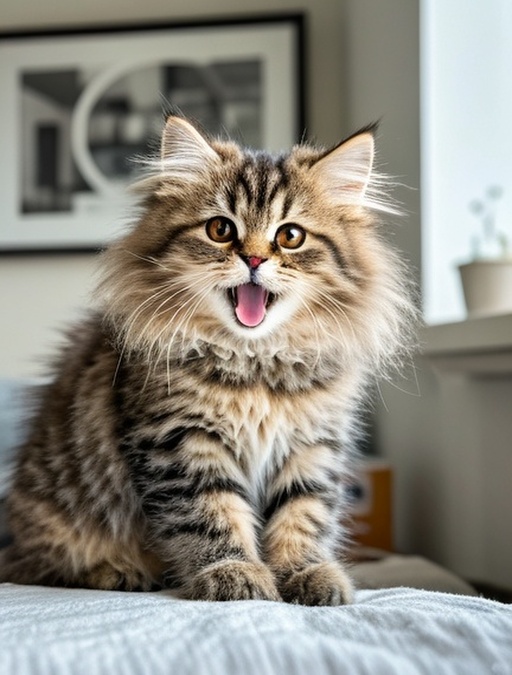
First off, let’s talk about the most common breed-specific health issues you should watch out for, okay? Per TICA’s 2024 LaPerm breed health survey, these kitties don’t have a ton of genetic predispositions, but there are a few that pop up more often than in mixed breed cats. First is mild hip dysplasia, especially in larger male LaPerms. It’s not as severe as it is in dogs or breeds like Maine Coons, but you might notice your cat limping a little after long play sessions, or avoiding jumping up on high surfaces as they get older. Second is Polycystic Kidney Disease (PKD) – it’s rare in LaPerms, but if you’re buying from a breeder, always ask for proof that both parents have been screened negative for PKD, that’s non-negotiable, ya know? The third common issue is skin and coat problems, since their curly fur and slightly oily skin (to keep the curls soft) can lead to fungal infections if they stay damp for too long, or dandruff if they’re not getting enough fatty acids in their diet.
Now let’s get into daily grooming care, which is a big part of LaPerm health, obviously, because that curly coat is their signature. A lot of new owners make the mistake of brushing their LaPerm every day like you would a Persian, but that’s actually bad! Overbrushing breaks the natural curl pattern and can irritate their sensitive skin. All you need is a wide-tooth plastic comb, run it through their fur once or twice a week, just to get rid of any loose hair and prevent tiny mats from forming in their armpits or behind their ears. You don’t need to bathe them super often either, every 2 to 3 months is more than enough. When you do bathe them, use a fragrance-free hypoallergenic cat shampoo, no human shampoo no matter how gentle you think it is, human products have a pH level that’s way off for cat skin, per the American Veterinary Medical Association (AVMA) guidelines. And the most important bathing tip? Dry them COMPLETELY after, use a low-heat hair dryer on the cool setting if you have to, because their dense undercoat traps moisture really easily, and that dampness right against their skin can lead to ringworm or bacterial infections in no time.
Diet is another huge part of LaPerm health, right? These kitties are super active, they love running around and playing fetch even as adults, so they need a diet that keeps up with their energy levels. Per the Association of American Feed Control Officials (AAFCO) 2024 pet food standards, adult LaPerms need a minimum of 26% crude protein in their diet, and kittens need at least 30% to support their growth. I always recommend going for a high-protein, grain-free wet food as the main part of their diet, with a small amount of dry kibble as treats or puzzle feeder snacks. Make sure the first ingredient listed is a whole meat, like chicken, turkey or salmon, not meat byproducts or fillers like corn or wheat. You also want to add a tiny bit of omega-3 and omega-6 fatty acid supplement to their food once a day, that keeps their curls soft, prevents dandruff, and supports their joint health too, which helps prevent that hip dysplasia we talked about earlier. And obviously, keep human food far away from them! Chocolate, grapes, raisins, onions, garlic and xylitol (the sweetener in gum and some baked goods) are all super toxic to cats, even in tiny amounts.
Exercise and mental health are just as important as physical health for LaPerms, trust me. These are not lazy lap cats, though they do love cuddling after a good play session. They’re super intelligent and curious, so if they get bored, they’ll start getting into trouble, knocking things over, scratching furniture, even developing stress-related habits like overgrooming that leads to hair loss. Try to schedule 15 to 20 minutes of active play time with them twice a day, use interactive toys like feather wands, laser pointers (just make sure you end the game with a physical treat they can catch, so they don’t get frustrated), or crinkle balls they can chase. Puzzle feeders are also a great idea, especially if you work from home or leave them alone for a few hours a day, it keeps their brain busy and slows down their eating too, which prevents bloat. If you have the space, a cat tree by the window is perfect, they love climbing up high and watching birds outside, that’s free entertainment for hours.
Preventative vet care is non-negotiable if you want your LaPerm to live a long healthy life. First off, if you get your LaPerm as a kitten, make sure they get all their core vaccinations: FVRCP (feline viral rhinotracheitis, calicivirus and panleukopenia), rabies, and feline leukemia if they ever go outside. Annual check-ups are a must even if your cat seems totally fine, vets can catch small issues like early kidney disease or dental problems before they turn into big expensive emergencies. When your LaPerm is around 6 months old, get them spayed or neutered, that prevents a ton of health issues later on, like uterine infections in females and testicular cancer in males, and also stops them from roaming or spraying around the house. Once your LaPerm is 7 years old (that’s senior age for cats), switch to bi-annual check-ups, and ask your vet to run a blood work panel every year to check their kidney and liver function. Oh, and don’t forget deworming and flea/tick prevention, even if your cat never goes outside! Fleas can hitch a ride on your shoes or clothes, and intestinal worms can come from contaminated food or water, so year-round prevention is always better than treatment later.
Last but not least, let’s talk about the red flags you should never ignore, that mean you need to take your LaPerm to the vet right away. First is excessive scratching, licking or biting at their skin, or visible hair loss – that’s usually a sign of a skin infection, allergies, or even fleas. Second is frequent urination, or peeing outside the litter box – that could be a urinary tract infection, or early kidney disease, especially in older cats. Third is lethargy, loss of appetite, or sudden weight loss or gain – all of these are signs that something is wrong internally, don’t just wait and see if it gets better. Fourth is limping, or avoiding jumping and running like they usually do – that could be hip dysplasia, or an injury you didn’t notice. It’s always better to be safe than sorry, right? LaPerms are really good at hiding pain, that’s a leftover instinct from their wild ancestors, so if you notice any big change in their behavior, it’s worth a trip to the vet.