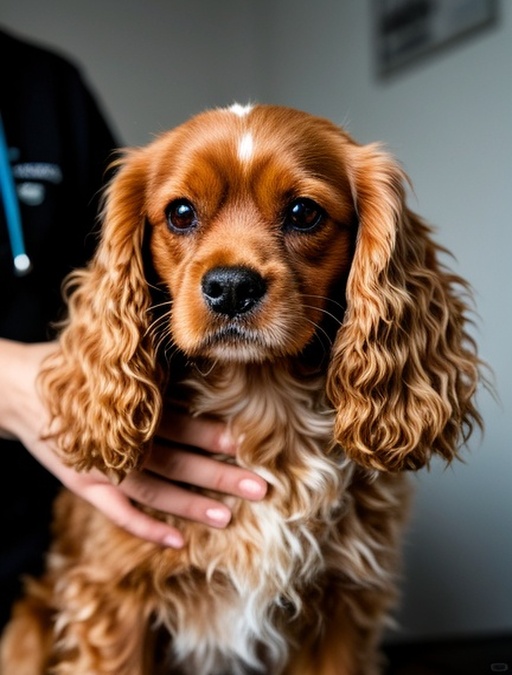
First off, let’s talk about the most common health issues Cavs are predisposed to, okay? I’ve worked with so many of these sweet pups over the years, and the number one thing I stress to new owners is that knowledge is your super power here. Per the Cavalier King Charles Spaniel Club of America (CKCSCA) 2023 health survey, over 50% of Cavaliers will develop mitral valve disease (MVD) by the time they turn 5 years old, and that number jumps to 90% by age 10 if they haven’t been screened early. MVD is a heart condition where the valve between the left atrium and left ventricle weakens over time, leading to blood leaking back into the heart. The good news? Early detection can add years to your pup’s life, no cap. I had a 3 year old Cavalier named Lulu come in for a routine check last year, we caught a super early heart murmur that her owner hadn’t even noticed, put her on a low sodium diet and mild supplements, and she’s still running around like a puppy two years later with no progression of the disease.
The second big genetic issue to watch for is syringomyelia (SM), a neurological condition where the skull is too small to fit the brain properly, leading to fluid-filled cysts forming on the spinal cord. It sounds scary, I know, but again, early screening makes a huge difference. Common signs of SM are your pup scratching at their neck or shoulders randomly, yelping when you touch their head or collar, or holding their head in a weird tilted position. The CKCSCA recommends all breeding Cavs get an MRI screening for SM before they’re bred, so if you’re buying a puppy, always ask the breeder for copies of both parents’ SM and MVD clearances first. Don’t feel awkward asking, any responsible breeder will be happy to show you those papers.
Other common issues you might run into with your Cavalier include hip dysplasia, patellar luxation (that’s when their knee cap slips out of place), eye conditions like cataracts and progressive retinal atrophy, and chronic ear infections because of those floppy little ears that trap moisture and dirt all the time. None of these are guaranteed, of course, but knowing what to look for means you can catch problems before they get really bad.
Now let’s talk about your routine vet care schedule, because sticking to this is the easiest way to keep your Cavalier healthy long term. For puppies under 1 year old, you’ll need to take them in every 3 weeks for their core vaccinations (distemper, parvovirus, rabies, etc) until they hit 16 weeks old. You’ll also want to do deworming treatments every 2 weeks until they’re 3 months old, then monthly until they’re 6 months old. Most importantly, schedule your Cavalier’s first dedicated heart screening with a veterinary cardiologist by the time they’re 6 months old, per CKCSCA guidelines. This baseline test will let you know if your pup has any early signs of MVD, and give you a reference point for all future tests.
For adult Cavaliers between 1 and 7 years old, you need to take them in for a full checkup at least once a year, but I actually recommend twice a year once they hit 3 years old. Those twice a year visits should include a full heart listen, a quick neurological check for SM signs, dental exam, and annual blood work to catch any kidney, liver, or thyroid issues early. You’ll also want to get a full echocardiogram (heart ultrasound) done every 2 years starting at age 3, to track any changes to their heart valves. Don’t skip these, even if your pup seems totally fine! MVD and SM often don’t show obvious symptoms until they’re already in the later stages, so these routine tests are non-negotiable.
Once your Cavalier hits 7 years old, they’re considered a senior, and you’ll want to bump those checkups up to every 6 months for sure. Senior visits should include full blood work, urine tests, a dental cleaning at least once a year (dental disease is super common in Cavs and can lead to heart infections if left untreated), annual echocardiograms, and a yearly eye exam with a veterinary ophthalmologist to catch cataracts or other eye issues early.
Now for the stuff you can do at home every day to keep your Cavalier happy and healthy, no vet degree required. First up, grooming! Those long, silky coats and floppy ears need regular attention, trust me. Brush their coat 2 to 3 times a week with a soft slicker brush to get rid of loose hair and prevent mats, especially around their ears, armpits, and belly. Their ears are the big thing here, though: you need to clean the inside of their ears once a week with a vet-approved ear cleaning solution, and dry them really well after baths or swimming. I’ve seen so many Cavaliers come in with painful yeast ear infections because their owners forgot to clean their ears for a few weeks, it’s totally preventable with just a few minutes a week of care.
Dental care is another non-negotiable at home task. Cavaliers are way more prone to periodontal disease than a lot of other breeds, and that bacteria from their gums can get into their bloodstream and worsen MVD if it’s left untreated. Brush their teeth daily with dog-specific toothpaste (human toothpaste is toxic for dogs, don’t use it!), and give them dental chews approved by the Veterinary Oral Health Council (VOHC) a few times a week to help reduce plaque and tartar buildup.
Diet is super important for Cavaliers, especially because they’re prone to obesity and heart issues. The American Kennel Club (AKC) recommends adult Cavaliers get 1 to 1.5 cups of high-quality, low-sodium kibble split into two meals a day, no free feeding! Free feeding makes it way too easy for them to overeat and gain weight, which puts extra strain on their heart and joints. Avoid giving them too many table scraps, especially salty foods like chips, cured meats, or canned soup, because extra sodium can make heart issues worse. If your pup is diagnosed with MVD later on, your vet will probably put them on a prescription low-sodium heart diet, which will help slow the progression of the disease.
Exercise for Cavaliers is pretty low maintenance, which is part of why they make such great apartment dogs! They only need 30 to 45 minutes of light exercise a day, split into two short walks and some gentle playtime in the house or yard. Don’t make them do super intense exercise like long runs or agility courses, especially in hot weather, because they’re prone to overheating and too much high-impact exercise can put extra strain on their heart and joints. If it’s over 80 degrees outside, keep walks short and carry water with you to make sure they don’t get dehydrated.
Finally, let’s talk about the red flags that mean you need to take your Cavalier to the vet immediately, no waiting for your next routine appointment. If you notice your pup coughing a lot, especially after exercise, when they get excited, or in the middle of the night when they’re sleeping, that’s a common early sign of MVD. Other heart issue signs include lethargy, not wanting to play or go for walks like they used to, sudden weight gain, or a swollen belly. For SM, look for excessive scratching at their neck or shoulders, yelping when you put their collar on or touch their head, holding their head tilted down, or seeming unsteady on their feet. Other urgent signs include limping that lasts more than a day, ear redness or discharge, unusual discharge from their eyes, sudden weight loss, or not eating or drinking for more than 24 hours.
At the end of the day, Cavaliers are such loving, sweet pups that give so much joy to their owners, and a little extra care goes a really long way in making sure they live long, happy lives with you. If you have any specific questions about your own Cavalier’s health, always reach out to your vet first, they know your pup’s individual needs best!