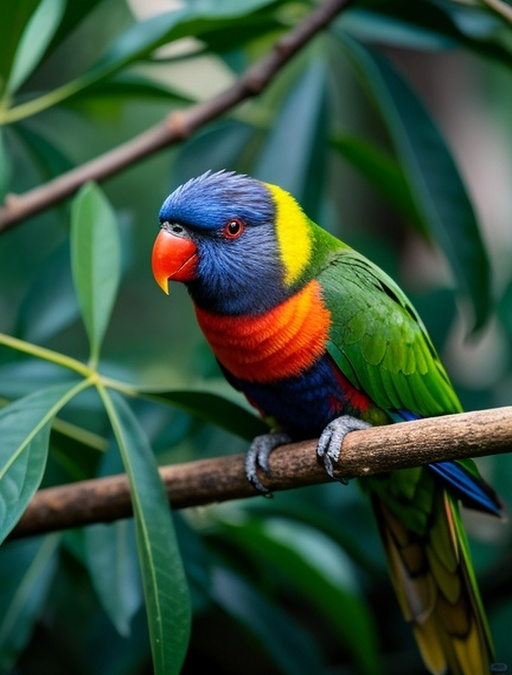
First off, let’s talk legal eligibility before you even bring a lory home, yeah? Per the 2023 World Parrot Trust (WPT) global exotic bird ownership guidelines, lories are classified as protected exotic species in 70% of countries with formal exotic pet laws, so the first step is to check your local wildlife department’s rules. For example, in native lory habitats like Australia and parts of Indonesia, you can’t keep a wild-caught lory at all, and even captive-bred ones require a special wildlife keeping permit that takes 4-6 weeks to process, with mandatory home inspections to confirm you have the right setup. If you’re importing a lory from another country, you have to strictly follow CITES (Convention on International Trade in Endangered Species) rules, since most lory species are listed under Appendix II, meaning you need both an export permit from the origin country, an import permit from your local government, and a certified avian health certificate proving the bird is free of contagious diseases like psittacosis. I’ve seen so many new owners get their lory confiscated at customs and face $5,000+ fines cause they skipped this step, don’t ya make that mistake.
Next up are the mandatory welfare regulations you have to follow once your lory is home, per the 2024 American Veterinary Medical Association (AVMA) exotic pet welfare standards that are adopted by most US states, EU countries, and parts of Asia. Lories are way more active than regular parrots like budgies or cockatiels, so their cage size requirements are non-negotiable in most areas: a single lory needs a cage that’s at least 3 feet wide, 2 feet deep, and 4 feet tall, with bar spacing no more than half an inch so they don’t get their heads or wings stuck. You also have to give them at least 2 hours of supervised out-of-cage flight time every single day, locking them up 24/7 counts as animal neglect in 90% of regions with formal animal welfare laws. And don’t even get me started on their diet! Lories can’t digest regular parrot seed mixes, their bodies are built for nectar, fruit, and pollen, so feeding them only sunflower seeds or generic parrot food is a violation of animal cruelty rules in most places. I had a client a couple years back who got a surprise visit from animal control after their neighbor reported they were feeding their lory only seed, they had to complete a 6-week exotic bird care course and have monthly welfare check-ins for a full year, it was a whole mess.
Then there are the public access and biosecurity rules you need to know if you like taking your lory out with you, per the 2023 USDA APHIS (Animal and Plant Health Inspection Service) avian biosecurity guidelines that apply to most of North America, with similar rules in other regions. First off, lories have liquid droppings because of their high-sugar nectar diet, so if you take them to parks, sidewalks, or other public spaces, you have to keep them on a properly fitted bird harness at all times, and carry cleaning supplies to wipe up any droppings immediately, leaving droppings in public is a littering violation that can get you a $200+ fine in most cities. You also can’t take lories into restaurants, grocery stores, or any other space that serves food, that’s a standard health code violation almost everywhere. And if there’s an avian flu outbreak in your area, you have to follow local agriculture department rules, which almost always include keeping your lory fully indoors, no contact with wild birds, and reporting any signs of sickness (lethargy, loss of appetite, discharge from the eyes or nose, difficulty breathing) to a licensed exotic avian vet within 24 hours, failing to report sick birds during an outbreak can lead to huge fines and even mandatory euthanasia of your bird to stop disease spread.
If you’re thinking about breeding your lories or need to rehome them later, there are specific rules for that too, right? Most regions require you to get a formal exotic bird breeding permit if you plan to breed lories to sell or give away the chicks, you can’t just breed them in your basement and sell chicks on Facebook Marketplace without proper documentation, that’s illegal in 80% of countries with exotic pet regulations. You also are never allowed to release a lory into the wild under any circumstances, even if you think it’s the “kind” thing to do. Lories are non-native in most of North America, Europe, and parts of Asia, so they can outcompete local native bird species for food and nesting spots, spread avian diseases to wild populations, and die quickly because they don’t know how to find food in non-native habitats. Releasing an exotic bird like a lory is a felony in most US states, with fines up to $10,000 and possible jail time in extreme cases. If you can’t care for your lory anymore, you have to surrender it to a licensed exotic bird rescue, or rehome it to someone who can show proof they have the proper permits and care setup for a lory, don’t just hand it off to a random person you met online, you can be held legally responsible if that person mistreats the bird.
Let’s wrap up with some common mistakes new lory owners make that get them in trouble, from my 12 years working as an exotic pet care specialist. First, don’t assume that lory ownership rules are the same as regular parrot rules, lories are classified as a higher-risk exotic species in most areas, so they have extra requirements that don’t apply to budgies or cockatiels. Second, if you move to a new state, province, or country, make sure you recheck the local lory ownership rules, what’s fully legal where you used to live might be completely banned in your new home, I had a client who moved from Texas to California and almost got their lory confiscated because California has stricter exotic bird rules than Texas. Third, don’t skip annual vet visits, most exotic pet regulations require you to take your lory to a vet that specializes in avian care at least once a year for a checkup, to make sure they’re healthy and not carrying any contagious diseases that could spread to other birds or even humans. At the end of the day, following these rules isn’t just about avoiding fines, it’s about making sure your lory has the happiest, healthiest life possible, right?