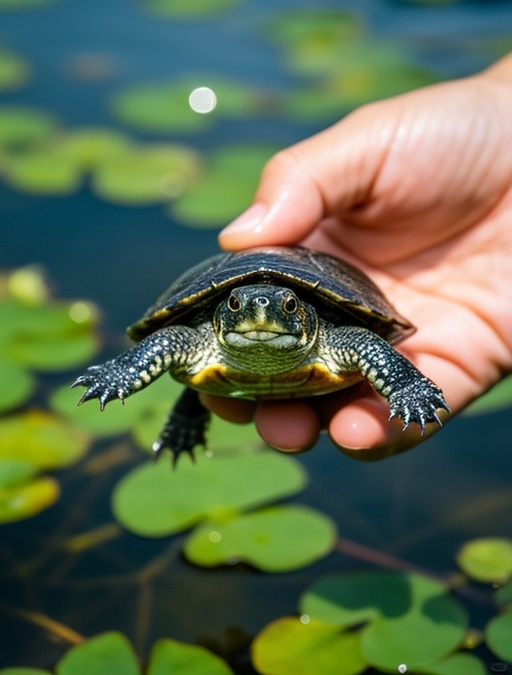
First off, let’s talk about the number one cause of black marsh turtle health issues, per data from the Association of Reptilian and Amphibian Veterinarians (ARAV): bad habitat setup. Y’know, I swear 7 out of 10 sick turtles I see at the rescue are sick because their tank is too small, or their water is filthy, or their temps are way off. Black marsh turtles are semi-aquatic, so they need both enough swimming space and a completely dry basking spot to stay healthy. ARAV recommends 10 gallons of clean water per inch of your turtle’s shell length, so a 4 inch turtle needs at least a 40 gallon tank, minimum. Skip the tiny 10 gallon starter tanks, they’re a scam and will make your turtle sick fast.
Water quality is non-negotiable here. If your ammonia or nitrate levels are high, your turtle will develop shell rot, eye infections, or respiratory issues before you even notice something’s off. Invest in a canister filter made for twice the size of your tank, these turtles are messy eaters and produce a lot of waste. And never use straight tap water for their tank! Chlorine and chloramine in tap water burns their eyes, damages their skin, and kills the good bacteria in their gut. Grab a cheap reptile-safe dechlorinator from the pet store, it’s 10 bucks and saves you hundreds in vet bills later. Keep water temps steady between 75 and 80 degrees Fahrenheit, and their basking spot should be 85 to 90 degrees, with a UVB bulb positioned 10 to 12 inches above the dry area. No UVB = no calcium absorption, which leads to metabolic bone disease, a super painful permanent condition that can paralyze or kill your turtle.
Next up, diet-related health mistakes, which are the second most common issue I see. A lot of new owners just feed their turtle generic pellets every single day, and that’s a recipe for disaster. According to reptile nutrition expert Dr. Susan Donoghue, a healthy black marsh turtle diet changes as they age: juveniles under 2 years old need 60% protein, 30% greens, 10% fruit, while adults need 40% protein, 50% leafy greens, 10% fruit to avoid obesity and shell pyramiding. Good protein sources are frozen bloodworms, gut-loaded crickets, small feeder guppies, and occasional mealworms (don’t overdo mealworms, their exoskeleton is hard to digest). For greens, stick to dandelion greens, kale, water lettuce, and duckweed, avoid iceberg lettuce it has zero nutritional value. For fruit, go for small bits of mango, melon, or berries, never feed citrus, it upsets their stomach.
And don’t feed them every day! Juveniles eat every other day, adults only need to eat 2 to 3 times a week. Overfeeding is the top cause of obesity in pet black marsh turtles, which leads to liver failure and joint issues later on. Also, dust their food with calcium powder 2 times a week, and add a multivitamin powder once a week, to make sure they’re getting all the nutrients they need. I’ve seen so many turtles with pyramided shells (that bumpy, uneven shell growth) because their owners skipped calcium or didn’t have a working UVB light, and that deformity is permanent, you can’t fix it once it forms.
Now let’s go over common health issues you need to watch for, and what to do if you spot them. First is shell rot: you’ll see soft, discolored (usually brown or red) spots on their shell, sometimes it smells bad too. It’s almost always caused by dirty water or not having a dry enough basking spot, so the shell stays wet too long and grows bacteria. For mild cases, you can clean the spot with diluted betadine 1 time a day, make sure their basking area is warm and completely dry, and do a full water change. If it doesn’t get better in 3 days, or if the spots are deep, go to a reptile vet immediately, shell rot can eat through the shell and infect their internal organs if left untreated. Don’t pick at the soft spots, that makes the infection spread faster.
Second common issue is respiratory infection. Signs are bubbling from the nose, wheezing when they breathe, swimming lopsided, or refusing to eat. It’s usually caused by water temps being too low, or drafts near their tank. Do NOT try to treat this at home with over the counter meds, respiratory infections in turtles progress super fast, they can die in 3 to 4 days if you wait. You need to take them to a reptile vet for prescription antibiotics, and adjust their tank temps once you get home. Third is eye infections: you’ll see swollen, closed eyes, or your turtle rubbing their face on tank decor constantly. It’s almost always from dirty water or un-dechlorinated tap water. Do a full water change first, use reptile-safe eye drops you can get at pet stores twice a day, and if it doesn’t clear up in 2 days, head to the vet, untreated eye infections can lead to permanent blindness.
You should do a quick at-home health check on your turtle every single week, it only takes 2 minutes. First, wash your hands really well before touching them (they can carry salmonella, so wash after too, don’t let kids under 5 handle them unsupervised). Gently pick them up, look over their entire shell for any weird spots, soft areas, or cracks. Check their eyes are clear, no discharge from their nose or mouth, and look at their skin for cuts, redness, or tiny parasites. Weigh them once a month too, sudden weight loss or gain is an early sign something’s wrong. Reptiles hide illness really well as a survival instinct, so by the time you see super obvious signs like not moving or refusing to eat for a week, they’re already really sick. Don’t hesitate to book a vet visit if something feels off, it’s always better to be safe than sorry.
Quick bonus tips to keep your turtle healthy long term: don’t house them with other turtle species unless you’re 100% sure they’re compatible, black marsh turtles are pretty docile but bigger turtles can bite them, leading to wounds that get infected easily. Don’t take them out of their tank for fun all the time, they get stressed really easily, and stress crushes their immune system. Add hiding spots both in the water and on the basking area, they feel way safer when they have somewhere to retreat if they get spooked, less stress means way fewer health issues. And book a yearly wellness check with a reptile vet even if they seem fine, vets can catch early signs of issues you might miss at home.