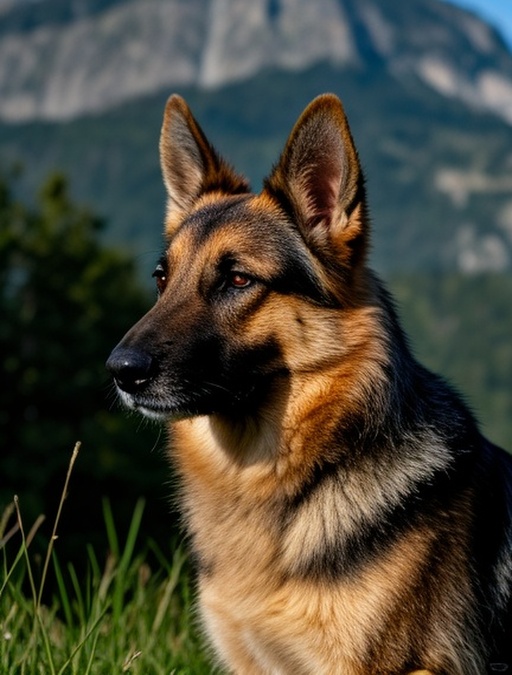
First up, the big one most people don’t know about until it’s too late: Breed-Specific Legislation, aka BSL. According to data from the American Kennel Club (AKC), more than 700 cities across the U.S. have some form of BSL on the books, and German Shepherds are one of the most commonly targeted breeds, right up there with Pit Bulls and Rottweilers. What does that mean for you? Well, it depends on where you live. Some smaller towns and even a few bigger cities ban German Shepherds entirely, no exceptions. Other areas don’t ban them, but require you to jump through a bunch of extra hoops to own one legally: mandatory spay or neuter before 6 months old, a special “restricted breed” license that costs 2-3x more than a regular dog license, minimum $100,000 in personal liability insurance to cover any potential bites or incidents, and even mandatory temperament testing when your pup turns 1 year old. I’ve had several clients move to a new city with their GSD without checking BSL first, and ended up having to fight city hall for 3 months just to keep their dog, so do yourself a favor and look up your local animal control ordinances before you bring a GSD home, or before you move to a new place with your existing pup.
Even if your area doesn’t have BSL targeting German Shepherds, you still have to follow all standard dog ownership rules, plus a few extra that apply to large working breeds like GSDs in most places. First, mandatory licensing and vaccinations. Every state in the U.S. requires dogs over 4 months old to have an up-to-date rabies vaccine, and you have to carry proof of that vaccine to get an annual or 3-year dog license from your city. For German Shepherds, a lot of cities require extra proof of vaccination against parvovirus, distemper, and bordetella too, before they’ll issue you a license. You also have to have that license tag attached to your GSD’s collar at all times when they’re outside your property – skip that, and you’re looking at a $50 to $200 fine if an animal control officer stops you. Most areas also require microchipping for all dogs over 6 months old now, but for GSDs, some cities make you register the microchip number directly with the police department too, just in case your pup gets loose and is reported as a stray or a dangerous dog.
Public space rules are another big one for GSD owners, and they’re way stricter than they are for smaller, more “friendly” stereotyped breeds like Golden Retrievers. Almost every city with BSL or extra large breed rules requires German Shepherds to be on a leash no longer than 6 feet at all times when in public, even if your pup is super well trained and never pulls or runs off. A lot of areas also ban GSDs entirely from off-leash dog parks, no matter how good their recall is, and some even require you to muzzle your GSD in all public spaces, including sidewalks, parks, and pet-friendly stores. Per the Humane Society of the United States (HSUS), these muzzle rules are usually based on unfair stereotypes rather than actual bite data, but that doesn’t mean you can ignore them. I had a client last year who got a $350 fine and a written warning because he took his muzzle-free GSD to the grocery store pet-friendly pickup line, even though the dog was sitting quietly the whole time and didn’t bother anyone. If you want to skip the fine, just follow the local rules, even if they feel silly. If you hate the muzzle rules, you can always join local animal advocacy groups to push for reform, but don’t risk getting your pup labeled a dangerous dog just to make a point.
Even if your city allows German Shepherds with no extra rules, you still have to check your housing restrictions if you rent or live in a neighborhood with a Homeowners Association (HOA). A 2022 survey from the National Multifamily Housing Council found that 60% of rental properties ban “aggressive breed” lists that almost always include German Shepherds, and 75% of HOAs have similar restrictions. Some properties don’t ban GSDs entirely, but require you to pay an extra pet deposit (usually $500 to $1000, non-refundable in a lot of cases) plus extra pet rent every month, ranging from $25 to $100 extra on top of your regular rent. A lot of HOAs also have specific rules for GSD owners related to your property: most require you to have a fully fenced yard with a minimum 6-foot tall fence, because GSDs are high jumpers and can easily clear a 4-foot fence if they’re bored or see a squirrel to chase. Some HOAs also ban you from tying your GSD up outside for longer than 30 minutes at a time, and require you to bring them inside during extreme heat or cold weather. If you violate these HOA or rental rules, you can get evicted or fined hundreds of dollars, so always read your lease or HOA handbook carefully before bringing a GSD home.
Another regulation you need to be aware of is the local “dangerous dog” designation rules, which are often applied more strictly to German Shepherds than other breeds. Most areas label a dog as dangerous if it bites someone without provocation, chases or attacks people or other animals, or is reported multiple times for roaming loose. But for GSDs, a lot of cities will label them as dangerous even for minor incidents that wouldn’t get a smaller breed in trouble, like jumping up on someone to say hi, or barking at a neighbor through the fence. If your GSD is labeled a dangerous dog, you have to follow even more strict rules: you have to put up “Beware of Dog” signs on all entrances to your property, carry extra liability insurance (usually $300,000 minimum), muzzle your dog at all times in public, and even have them implanted with a special dangerous dog microchip in some areas. If you violate these rules, your dog can be seized and euthanized in extreme cases, so it’s super important to take steps to avoid that designation.
The good news is that it’s really easy to stay compliant with German Shepherd ownership regulations if you’re a proactive, responsible owner. First, invest in professional obedience training for your GSD starting as early as 8 weeks old. GSDs are working dogs, they thrive on structure and training, and having proof of completed training, especially the AKC Canine Good Citizen (CGC) certification, can help you get exemptions from BSL rules, lower your liability insurance costs, and even get out of minor tickets if your pup has a small incident. Second, make sure you have all the required paperwork handy at all times: proof of vaccinations, license, insurance, and training certification, so if you get stopped by animal control or your HOA, you can show it right away. Third, be a good neighbor! Clean up after your GSD every time you take them for a walk, don’t let them bark nonstop outside, keep them on a leash even if you think no one is around, and introduce them to your neighbors so they know your pup is a sweetheart, not a threat. If your neighbors like your GSD, they’re way less likely to report you for minor rule violations. Fourth, if you live in an area with BSL that targets GSDs, consider joining local advocacy groups that are working to repeal those unfair laws. Lots of cities have gotten rid of BSL in recent years because of pushback from responsible dog owners, so your voice can make a difference.