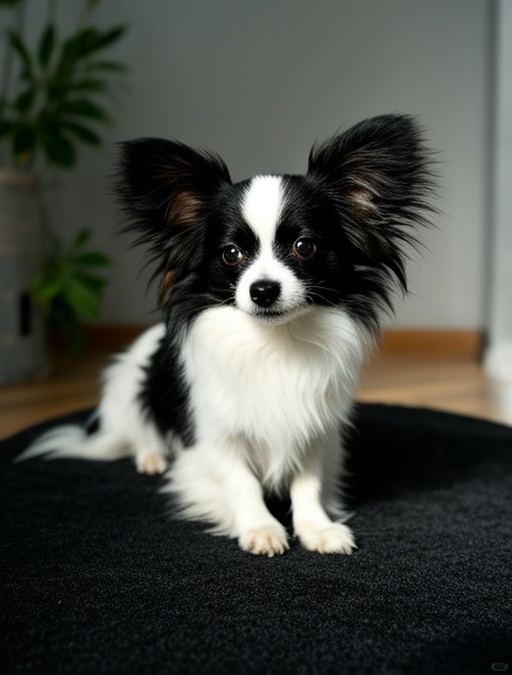
First off, you gotta start by understanding exactly what makes your Pap tick, so you don’t waste time fighting their natural instincts. Unlike a lot of lazy lap toy breeds, Papillons were originally bred as working hunting dogs for European nobles, so they’ve got way more energy and drive than you might expect. They get bored insanely fast, so if you try to do 45 minute long training sessions you’re just gonna end up with a distracted, stubborn pup who’d rather run around chewing your shoes than listen to you. Stick to 10 to 15 minute sessions, 2 to 3 times a day, and always end on a positive note so they look forward to training time the next day. I always tell clients to keep a bag of high-value treats on hand—think tiny bits of cooked chicken, freeze dried liver, or their favorite chewy snack, not boring old kibble—because Papillons are super food motivated, and you’ll get way better results if the reward is worth their time.
Let’s start with the biggest pain point most new Pap owners face: potty training. Small breeds have smaller bladders, so it’s totally normal for Pap puppies to need to go out every 1 to 2 hours when they’re young, don’t get frustrated if they don’t get it right the first week. The ASPCA’s small breed potty training guide recommends sticking to a super strict schedule first: take them out first thing when you wake up, 10 minutes after every meal, after playtime, after nap time, and right before bed. As soon as they finish going potty outside, give them a treat immediately and gush over them like they just won the Nobel prize—timing is everything here, if you wait even 10 seconds to give the reward they won’t connect it to going potty outside. If they have an accident inside, don’t yell at them or rub their nose in it, that just makes them scared to go potty in front of you at all. Just clean the spot with an enzymatic cleaner (regular household cleaner won’t get rid of the smell entirely) and make a note to take them out earlier next time. I had a client last year who was panicking because her 4 month old Pap, Lulu, kept peeing on her living room rug, and once we adjusted her schedule to take her out every 90 minutes instead of every 2 hours, the accidents stopped entirely in 3 days, no fuss.
Next up, the most common bad behavior Papillons develop: excessive barking. They’re incredibly alert little dogs, so they’ll bark at every squirrel outside, every neighbor walking past your door, every time the mail truck pulls up, which is cute the first time but gets old really fast, especially if you live in an apartment. The worst thing you can do is yell at them to be quiet, because they’ll think you’re barking right along with them, and that just encourages them to bark more. Instead, teach them the “quiet” command. The next time they start barking, wait for a 2 second pause in their barking, say “quiet” in a calm, firm voice, then give them a treat immediately. Repeat this every time they bark, and slowly increase the amount of time they have to be quiet before you give the treat. After a week or two, you’ll be able to say quiet and they’ll stop barking right away to get their reward. For separation anxiety barking, which is super common with this super attached breed, start crate training early as a safe space, not a punishment. Put their favorite blanket and toys in the crate, leave the door open all the time when you’re home, so they see it as their little den. When you leave the house, start with super short trips—5 minutes, then 10, then 30, then an hour—so they learn you always come back, and leave them with a puzzle toy stuffed with peanut butter to keep them occupied while you’re gone. The Certification Council for Professional Dog Trainers specifically recommends this gradual desensitization method for Papillon separation anxiety, since punishment makes the anxiety way worse.
Socialization training is non-negotiable for Papillons, especially if you want them to be friendly around kids, strangers, and other dogs. The critical socialization window is 3 to 14 weeks old, so you want to introduce them to as many new experiences as possible during that time: people of all ages and races, other vaccinated friendly dogs, different sounds like vacuum cleaners and doorbells, different surfaces like grass, concrete, and tile. Always pair new experiences with treats and praise, and never force them to interact with something they’re scared of. If they back away from a stranger, let them approach the person on their own time, don’t pick them up and hand them to the person, that just makes them more scared. If you skip socialization, you’ll end up with a Pap that snaps at kids or growls at every new person that comes to your house, which is a nightmare to fix once they’re adults. I’ve seen this a hundred times: owners keep their tiny Pap puppy at home because they’re worried they’ll get hurt, then when they’re 6 months old they try to take them to the dog park and they freak out and hide behind their owner the whole time. It’s way easier to socialize them young than to fix fear issues later.
Once you’ve got the basics down, you can move on to fun advanced training, because Papillons excel at that stuff. They’re stars at agility courses, obedience trials, and trick training, and they love having a job to do. You can teach them to fetch, roll over, play dead, even bring you specific toys, they’ll learn most tricks in 5 to 10 repetitions if you’ve got good treats. Just make sure you mix up the training activities so they don’t get bored—don’t practice the same trick for 10 minutes straight, switch between sit, stay, fetch, and a new trick every few minutes to keep them engaged.
The biggest mistake I see Pap owners make is falling for “small dog syndrome”, where they let their tiny pup get away with behaviors they’d never tolerate from a big dog. If your Pap jumps on guests, growls when you take their food bowl, or nips at your hand when they don’t get what they want, don’t laugh it off and say “aww he’s just being cute”. That behavior will get worse and worse over time, and you’ll end up with an aggressive 7lb tyrant who runs your whole house. Treat your Pap like you would any other sized dog: set clear, consistent boundaries, and make sure everyone in your household follows the same rules. If you don’t let them jump on you, don’t let your roommate let them jump on them, that just confuses them. If they jump on guests, ask the guest to turn away and ignore them completely until they have all four paws on the ground, then give them attention and a treat. That way they learn that being calm gets them what they want, not jumping or nipping.
At the end of the day, Papillons are such loving, loyal, fun little dogs, and training them doesn’t have to be a nightmare. As long as you stick to positive reinforcement, keep sessions short and fun, and are consistent with your rules, you’ll have a well-behaved little companion that’s a joy to be around, not a tiny terror that drives you crazy. If you’re struggling with a specific behavior issue, don’t be afraid to reach out to a local positive reinforcement dog trainer who has experience with toy breeds, they’ll be able to give you personalized tips for your specific pup.