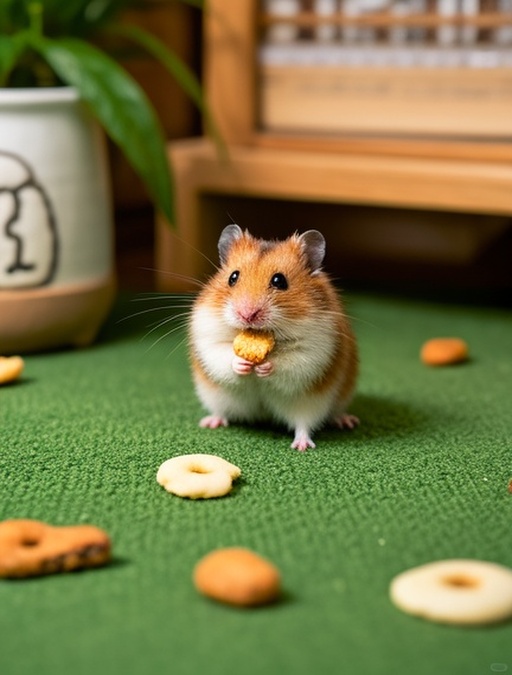
First thing first, you gotta let your new Robo settle in before you even think about training, okay? I see so many new owners trying to grab their hamster the day they bring it home, and that’s the fastest way to make them scared of you for weeks. Robos are super small, and moving to a new cage is super stressful for them. For the first 3 to 5 days, just leave them alone entirely, only open the cage to refill their food bowl and water bottle, no poking your hand in, no trying to pet them. Let them explore their new space, mark all their spots, and get used to the sounds and smells of your house first. If they’re hiding in their burrow the whole time? That’s totally normal, don’t dig them out, that will just freak them out more.
Once they’re settled, the first step of all training is scent association. Robos rely way more on their sense of smell than their eyesight, so they need to learn that your smell equals good things, not danger. First, rub your clean hands around their bedding a little bit, so your scent mixes in with their familiar smells. Then, start offering tiny treats through the cage bars. Unsalted sunflower seeds, freeze dried mealworms, tiny bits of unsweetened dried cranberry or apple work perfect here – just don’t give them too many treats, Robos are prone to obesity, so keep treat portions to like 2 or 3 per training session. Every time you offer a treat, say their name in a soft, quiet voice, don’t yell, they have super sensitive hearing. Do this for 3 or 4 days, and you’ll notice they’ll run up to the cage bars as soon as they hear your voice, that’s when you’re ready for the next step.
Hand taming is the foundation of every other behavioral training you’ll do with your Robo, so take this slow, no rushing. Once they’re comfortable taking treats from you through the bars, wash your hands really well (no strong scented soap, that will confuse them) and put your flat hand palm up in the cage, with a treat sitting right in the middle of your palm. Then don’t move. At all. I know it’s tempting to wiggle your hand or try to pet them when they come close, but any sudden movement will make them dart away. They might sniff your hand for 10 minutes before they work up the courage to step on it, that’s okay, just wait. The first time they climb on your palm to get the treat, don’t lift your hand yet, just let them eat and run off if they want. Do this for another week or so, until they’re comfortable sitting on your hand for 10 or 15 seconds at a time, then you can slowly lift your hand an inch or two off the cage floor, no higher at first. If they panic and jump off, just put your hand back down and try again next time, no big deal.
Now for the fun part, actual commands! The easiest first command to teach your Robo is coming when you call their name. By this point, they already associate their name with getting treats, so this one is super simple. Start inside their cage first: call their name, and as soon as they run up to you, give them a treat and praise them (softly, obviously). After a week or so of this, you can test it when they’re out exploring a playpen. Call their name, and if they come running to you, give them an extra special treat, like a tiny piece of boiled egg, they go crazy for that. Pro tip: keep all training sessions to 5 minutes max, okay? Robos have like 2 second attention spans, any longer and they’ll get bored or stressed, and you won’t get anywhere. Also, only train them when they’re awake, which is usually dusk or early night. If you wake them up from their nap during the day to train, they’ll be grumpy and way less likely to cooperate, I learned that the hard way with my first Robo, Mochi.
Another easy command you can teach is “step up”, which is super useful if you need to get them out of their cage quickly or move them from one spot to another. Once they’re comfortable sitting on one of your hands, hold a treat just above your other hand, which you hold right next to the first one. Say “step up” in the same soft voice you use for their name, and as soon as they step onto your second hand to get the treat, give it to them immediately and praise them. Repeat this a few times every session, and after a couple weeks, they’ll step onto your hand as soon as you say the command, even if you don’t have a treat out at first (you should still give them a treat sometimes though, to keep the habit strong).
Training isn’t just for fun tricks, it can also fix common annoying behavioral issues most Robo owners deal with. First up, cage bar chewing. A lot of people think Robos chew bars cause they’re bored, but first you need to rule out that their cage is too small. Robos need at least 450 square inches of unbroken floor space, anything smaller and they’ll chew bars out of frustration. If their cage is big enough, then give them more chew toys: apple sticks, untreated wooden chew blocks, even cardboard toilet paper rolls work great. When you catch them chewing the bars, don’t yell or bang on the cage, that will just scare them, and they won’t connect the yelling to the chewing. Instead, gently make a small soft noise to get their attention, then offer them a chew toy or a treat to distract them. If you do this consistently, they’ll learn that chewing toys gets them rewards, and chewing bars doesn’t, so they’ll stop after a while.
Another common issue is Robos not using their sand bath. Robos need sand baths to keep their fur clean, they can’t get wet, so sand is non-negotiable. Some Robos take to sand baths immediately, but some don’t get what it’s for at first. To train them, just put a tiny pinch of chinchilla sand on their back when they’re sitting on your hand, they’ll immediately groom it off, and associate the sand texture with grooming. Then, put them in the sand bath right after, and they’ll usually start rolling around on their own. If they still don’t, you can gently roll a tiny bit of sand on their back while they’re in the bath, they’ll figure it out super fast. Just make sure you don’t get sand in their eyes, that hurts them.
Now let’s talk about the biggest mistakes people make when training Robos, okay? First, never punish your hamster. They’re tiny little animals with tiny brains, they don’t understand what punishment means, all you’ll do is make them scared of you. If they do something you don’t like, like nip your finger or run away, just stop the training session and try again later, don’t yell at them or put them back in their cage roughly. Second, don’t rush the process. Some Robos take 2 weeks to get fully tame, some take 2 whole months, that’s totally normal. My second Robo, Bean, took 3 months before he would sit on my hand, and now he comes running to the cage door as soon as I get home. Go at their pace, not yours. Third, never hold your Robo high off the ground, even a fall from 2 feet can break their bones or kill them. Always sit on the floor when you’re training them out of the cage, so if they jump, they only fall a couple inches onto soft carpet. And last, don’t chase them if they run away during playtime. They’ll think you’re a predator trying to eat them, and that will undo weeks of training progress. Just leave a treat out, sit still, and they’ll come back to you when they’re ready.
At the end of the day, training your Roborovski dwarf hamster isn’t about showing off cool tricks to your friends, it’s about building a trusting bond with your little pet. The more time you spend with them, respecting their boundaries and rewarding good behavior, the more comfortable they’ll be around you, and the more fun you’ll both have. Even if your Robo never learns any fancy commands, just being able to pick them up without them panicking is a huge win, so don’t get discouraged if progress is slow. You’ve got this!