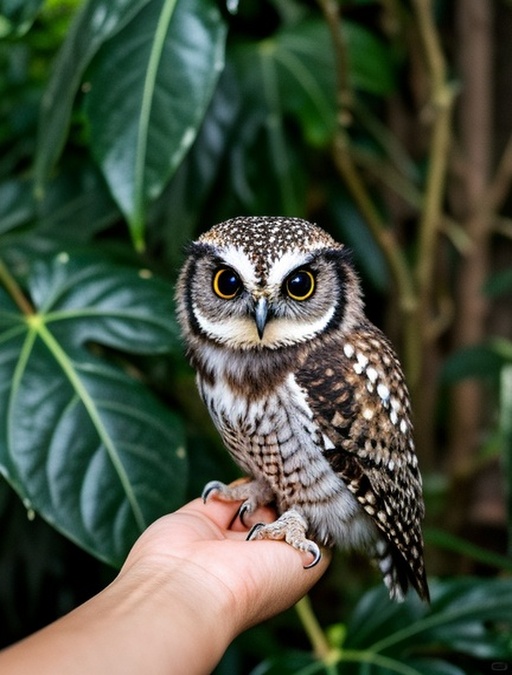
First off, let’s get one thing straight before you even think about training: you have to work with their natural rhythm, not against it. Owlet-nightjars are nocturnal, which means they’re half-asleep and grumpy all day long, just like you are when someone wakes you up at 6am on a Saturday. I’ve seen so many new owners get frustrated because their bird wont come to them or acts skittish when they try to play at 2pm, and that’s 100% not the bird’s fault. All your training sessions should happen right after dusk, when they’ve just woken up, preened, and are ready to look for food. Keep sessions super short too, 5 to 10 minutes max, cause their attention spans are tiny, and longer sessions will just make them bored or stressed.
The first and most important step of all training is building trust, no exceptions. You can’t teach a bird to come when called or let you hold it if it thinks you’re a giant predator that’s gonna eat it. For the first 2 to 3 weeks after you bring your owlet-nightjar home, don’t even try to touch it. Just sit a foot or two away from their enclosure every evening, talk to them in a soft quiet voice, and toss a couple of their favorite treats (most go crazy for live mealworms or small crickets) into their food dish while you’re there. They’ll start associating your presence with good things really fast. I had a client last year who tried to pick up their new owlet-nightjar the second they got home, and the poor thing hid in the corner of its enclosure for 3 whole days, wouldn’t eat anything until they left it alone for a week and just sat nearby with treats. Don’t be that person, okay? Patience pays off way more here.
Once they’re comfortable enough to hop over to the side of the enclosure when you show up, you can move on to basic recall training, which is the most useful skill you can teach them. Start in a small, closed room with no open windows, no ceiling fans running, and no other pets around—you don’t want them spooking and flying into something or getting hurt. Grab a clicker (or you can just use a specific soft whistle sound, whatever’s easier for you) and their favorite treats. Hold out your hand with a treat in it, make the click sound, and wait for them to hop or fly onto your hand to get the treat. Do this 3 or 4 times per session for a week, and soon enough, they’ll come running (or flying) the second they hear that click sound, even if you don’t have a treat visible every single time. Important note here: never, ever yell at or punish them if they don’t come. They don’t understand punishment the way dogs do, all that’ll do is make them scared of you, and you’ll have to start the trust building process all over again. If they ignore you, just end the session early and try again the next day, no big deal.
Now let’s talk about fixing the most common annoying behaviors that owlet-nightjar owners deal with, starting with the 2am squawking fest that’s probably made you miss a couple nights of sleep already. Most people think this is just them being loud for no reason, but it’s almost always because they’re bored or hungry. The fix is super easy: schedule a 15 minute play session with them right before you go to bed, let them fly around the room, play with their favorite toy, and then give them a big, filling meal before you put them back in their enclosure. 9 times out of 10, they’ll be full and tired enough to sleep straight through until the next dusk, no screaming required. If they still squawk a little, don’t go in and check on them every time, that’ll teach them that squawking gets your attention. Just ignore it, and they’ll stop after a week or two.
Another super common issue is nipping when you try to handle them. First off, owlet-nightjar beaks are tiny, so it doesn’t even hurt that bad most of the time, but it’s still not fun. The number one reason they nip is because they feel trapped, so if you’re reaching into their enclosure and cornering them to pick them up, of course they’re gonna try to defend themselves. Instead, hold your hand out and let them choose to come onto your hand on their own. If they do nip you, don’t yank your hand away fast, that could hurt their beak, and they’ll think that nipping makes you go away, which is exactly what they want. Just make a soft “ouch” sound, put them back in their enclosure gently, and end the session early. They’ll catch on pretty quick that nipping means playtime is over, and they’ll stop doing it.
You’ll also be happy to hear that litter training an owlet-nightjar is way easier than training a cat or even a puppy, I swear. These birds are super clean, and they naturally choose one or two spots in their enclosure to poop, almost never anywhere else. All you have to do is watch them for a couple days to find their go-to spot, then put a small shallow litter tray with paper bedding (avoid cedar or pine, those are toxic to birds) right there. They’ll automatically start using it almost immediately. If you let them fly around the house, you can even put a couple small trays near their favorite perches, like the top of your couch or the bookshelf, and they’ll use those too. I’ve had clients who got their owlet-nightjar fully litter trained in 3 days, no mess all over the house, it’s that simple.
One last thing to remember: every owlet-nightjar has its own personality, just like people. Some are super social and love learning new tricks, some are shy and just want to sit on your shoulder while you watch TV, and that’s totally okay. Don’t force them to learn tricks they don’t care about, don’t compare them to other people’s birds, just go at their pace. If you keep all your sessions positive, use lots of treats, and respect their space, you’ll have a happy, well-behaved little bird that loves hanging out with you for years to come. Oh and one quick pro tip: if they’re being extra stubborn one day, just give them a break, maybe they’re tired or not feeling well, you can always try again tomorrow.