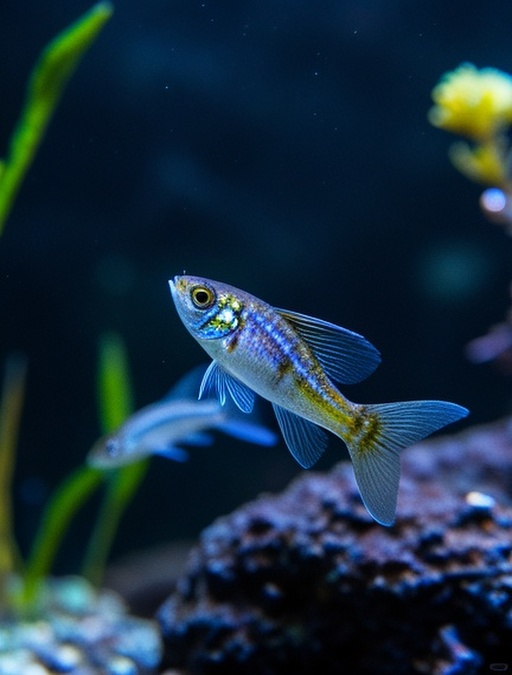
If you’re thinking of adding cute, peaceful cardinalfish to your reef tank, first thing you gotta do is brush up on all the ownership regulations, both legal and welfare-focused, that apply to these little guys. A lot of new hobbyists think “it’s just a fish, no rules apply” but that’s so wrong, and you can end up with huge fines or even have your fish taken away if you mess up. First up are the legal import and sourcing rules, right? Most cardinalfish species are native to tropical coral reefs around the Indo-Pacific, so a lot of the ones sold in pet stores used to be wild caught. But these days, many regions have strict rules to stop overfishing and protect vulnerable species. For example, the super popular Banggai cardinalfish is listed as endangered by the IUCN, so wild-caught specimens are completely banned from international trade under CITES regulations. If you want a Banggai cardinalfish, you have to buy a captive bred one from a licensed seller, and you need to keep the proof of purchase and sourcing documents on hand just in case wildlife officers check. Even for non-endangered cardinalfish species, many places like the EU, Australia, and parts of the US require that all imported marine fish are caught using sustainable, reef-safe methods that don’t damage coral habitats or catch other protected species as bycatch. Don’t ever buy cardinalfish from random unlicensed sellers on social media or flea markets, either—9 times out of 10 those are illegally imported, and you’re the one who’ll get in trouble if you’re caught with them, fines can run up to a few thousand dollars easy, y’know?
Next up are the welfare-related ownership regulations that a lot of people don’t realize are actually enforceable by law in many regions. Animal cruelty laws apply to fish just as much as they apply to dogs and cats, right? First rule here is minimum tank size and group requirements. Cardinalfish are schooling fish, they get super stressed and sick if you keep them alone, that’s considered neglect in places like the UK, Canada, and most states in the US. You need to keep at least 3 to 4 cardinalfish together, and the minimum tank size for that small group is 10 gallons, no smaller. If you want to keep more than 4, add 2 extra gallons per fish to give them enough space to swim and hide. You also have to provide proper habitat for them: they need lots of live rock with small caves and crevices to hide in during the day, since they’re mostly nocturnal. Your water parameters also have to stay stable, no exceptions: temperature between 72 and 78 degrees Fahrenheit, pH between 8.1 and 8.4, ammonia and nitrite levels at 0 at all times, and nitrate levels under 20 ppm. If you let your tank get dirty, or keep cardinalfish in a tiny bowl or 5 gallon nano tank by themselves, and a neighbor or local animal welfare group reports you, you can lose all your fish and get banned from owning pets in the future, it’s not a joke.
Then there are cohabitation and biosecurity regulations you have to follow, too. First, cardinalfish are super timid and slow eaters, so you can’t keep them with aggressive tank mates like large triggerfish, puffers, lionfish, or aggressive angelfish that will bully them or steal all their food. That’s also considered neglect under animal welfare laws, because you’re putting them in a situation where they’ll get hurt or starve to death. If you want to keep cardinalfish with other species, stick to peaceful tank mates like clownfish, gobies, blennies, and small wrasses, and make sure there’s enough food for everyone at feeding time. You also have to follow quarantine rules for new cardinalfish, whether you’re adding them to an existing tank or part of a local hobbyist group. Almost all reputable reef clubs and local fish associations have mandatory 2 to 4 week quarantine rules for any new fish, to prevent the spread of common diseases like marine ich, velvet, or bacterial infections that can wipe out an entire tank in a few days. If you skip quarantine and spread disease to other hobbyists’ fish at a swap or meetup, you can get banned from the group permanently, and in some places you could even be held liable for the cost of other people’s dead fish.
The biggest rule you absolutely can’t break, no matter where you live, is never release your cardinalfish into the wild. This is illegal in literally every country that doesn’t have native cardinalfish populations, which is basically everywhere except parts of the Indo-Pacific. Cardinalfish are non-native species in North America, Europe, South America, and most of Asia, so if you release them into a local ocean, lake, or river, they can outcompete native fish for food and habitat, spread diseases to wild populations, and completely wreck local ecosystems. Fines for releasing non-native marine fish are insane, we’re talking up to $10,000 in some US states, and even jail time in extreme cases. If you can’t take care of your cardinalfish anymore for any reason—maybe you’re moving, you can’t afford the upkeep, or you’re getting out of the hobby—you have to surrender them to a licensed local fish store, give them to a trusted fellow hobbyist, or donate them to a public aquarium or school science program. Don’t even think about flushing them down the toilet either, that’s super inhumane and also illegal in many places, it counts as animal cruelty.
Last but not least, there are regular care regulations you have to stick to to keep your cardinalfish happy and healthy, and stay on the right side of welfare laws. Cardinalfish are carnivores, so you can’t just feed them generic flake food once a week and call it a day, that’s neglect. You need to feed them a varied diet of frozen mysis shrimp, brine shrimp, copepods, and high quality sinking carnivore pellets, at least once a day, preferably twice a day in small amounts so they don’t overeat and mess up your water parameters. You also have to do regular tank maintenance: 10 to 15% water changes every two weeks, test your water parameters at least once a week to make sure everything is stable, and clean your filter and tank glass regularly to prevent algae buildup and waste accumulation. If you’re going on vacation for more than 2 or 3 days, you have to arrange for someone who knows how to take care of reef tanks to check on your fish, feed them, and test the water if needed. You can’t just leave them with a cheap automatic feeder that might break or dispense too much food and crash your tank, that’s considered neglect if your fish get hurt or die while you’re gone.
If you’re ever confused about the specific cardinalfish ownership rules in your area, just reach out to your local fish and wildlife service, or join a local reef hobbyist group—they’ll know all the local regulations, and can even help you find reputable, licensed sellers that sell captive bred cardinalfish with all the proper documentation. Captive bred cardinalfish are way hardier than wild caught ones, too, they’re already used to tank conditions and prepared food, so they’re less likely to get sick or die soon after you bring them home. Following all these rules isn’t just about avoiding fines or legal trouble, it’s about making sure your cardinalfish live long, happy lives, and protecting wild populations and local ecosystems at the same time, it’s totally worth the extra effort.