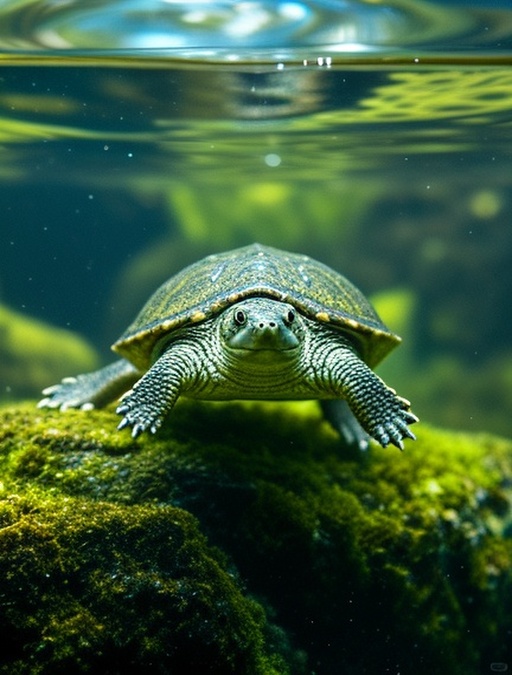
If you’ve ever gone fishing, kayaking, or even just hung out by a lake in central or southern Florida, you’ve almost certainly spotted a Florida Softshell Turtle zipping through the water or sunning itself on a half-submerged log. These oddball turtles are nothing like the bumpy, hard-shelled sliders or snapping turtles you might be used to. Their squishy, leathery shell, long snorkel-like snout, and lightning-fast swimming speed make them one of the most unique native turtle species in North America, and they’ve grown in popularity as exotic pets for reptile lovers who want something a little more interesting than a basic bearded dragon or leopard gecko. In this breed intro, we’re breaking down everything you need to know about these goofy, surprisingly tough little guys, from their wild habits to what it takes to keep one happy in your home.
First, let’s talk about what makes them so easy to spot: their appearance. Scientifically named Apalone ferox, Florida Softshell Turtles are the largest softshell species found in the US, and the size difference between males and females is honestly crazy. Males top out at around 6 to 12 inches long as fully grown adults, but females? They can get up to 24 inches long, and weigh as much as 40 pounds when they’re fully mature. That’s bigger than a lot of medium-sized dogs, for reference! Their shell, or carapace, is completely flat and streamlined, no hard, raised scutes like other turtles have. It feels like thick, tough rubber if you ever get to touch one (pro tip: don’t touch wild ones, they bite). Their color is usually a muted olive green or dark brown on their back to help them blend in with muddy lake bottoms, and their underbelly is a pale creamy yellow or white. The most recognizable feature though is their long, pointy snout, which works just like a snorkel. They can bury themselves completely in sand or mud at the bottom of a lake, stick just the very tip of their snout out of the water, and breathe totally unseen while they wait for prey to swim by. They also have huge, webbed back feet that let them hit speeds of up to 15 mph in the water, which is way faster than the average human can swim, so don’t even think about trying to catch one if you see it dart away.
As their name suggests, Florida Softshell Turtles are native to most of Florida, but their natural range also stretches up into southern Georgia, Alabama, South Carolina, and even parts of Louisiana. They’re not super picky about their water home, as long as it’s slow-moving. You can find them in lakes, ponds, marshes, slow-flowing rivers, and even slightly brackish water near coastal estuaries. They spend 90% of their lives in the water, only coming out to bask on warm rocks or sandbanks to dry off and soak up UV rays, or to lay eggs in the spring and summer. They love burying themselves in soft mud or sand at the bottom of their habitat, not just to hunt, but also to hide from predators like alligators, herons, and otters. They’re super adaptable too, and can even survive in low-oxygen water for short periods of time by breathing through their skin, which is a pretty wild superpower most people don’t know about.
When it comes to diet, these guys are mostly carnivorous, though they will munch on aquatic plants every once in a while if they’re really hungry. In the wild, they’re ambush predators. They sit buried in the substrate with only their snout sticking out, waiting for fish, snails, crayfish, worms, insects, or even small frogs and tadpoles to swim close enough. When their prey is in range, they lunge out faster than you can blink, and grab it with their super strong beak. They don’t have teeth, but their beak is sharp as all get out, and can easily crush through snail shells, crayfish exoskeletons, and even human skin if you’re not careful. If you ever have to handle one, make sure you hold them as far back on their shell as possible, because their neck is way longer than you’d guess, and they can reach around to bite your hand even if you think you’re holding them safely.
Let’s talk temperament next, because this is a big one for people thinking about getting one as a pet. Let’s be 100% honest: these are not cuddly, handle-friendly pets. Wild Florida Softshells are extremely defensive, and their first reaction to being picked up is to bite, scratch, and flail around to get away. Captive-bred individuals can get a little more used to seeing their owners over time, but they still almost never enjoy being held or touched. They’re much more of a “look but don’t touch” pet, similar to fish or poison dart frogs. That said, they’re incredibly active and fun to watch in their enclosure. They’ll swim laps, dig around in the substrate, chase food, and even come up to the glass when they see you holding their food bowl, once they get used to your routine. If you’re the type of reptile owner who likes to sit and observe your pet instead of carrying it around, they’re a perfect fit for you.
If you are thinking about bringing a Florida Softshell Turtle home, the first thing you need to get right is their enclosure. A lot of new owners make the mistake of buying a tiny 10 gallon tank for a cute 2 inch baby, but these guys grow fast, especially females. For a fully grown male, you need a minimum 75 gallon tank, but 100 gallons is way better if you have the space. Females need at least a 150 gallon enclosure, no exceptions, because they get so big. The water should be deep enough for them to swim freely, at least 1.5 times the length of their shell, so a 2 foot long female needs at least 3 feet of water depth. You also need a big, sturdy basking platform where they can climb completely out of the water to dry off. A good filter is non-negotiable too, because these guys produce a ton of waste, and dirty water leads to all kinds of health issues. A heavy duty canister filter designed for tanks twice the size of yours is your best bet to keep ammonia levels down. You also need to install a UVB light over the basking area, and a heat lamp to keep the basking spot between 85 and 90 degrees Fahrenheit. The water temperature should stay between 75 and 80 degrees, so you might need a submersible water heater if your house is on the cooler side. Skip the sharp rocks or rough decor in their tank, by the way, their soft shell and thin skin scratch easily, and cuts can get infected fast if the water isn’t perfect.
Feeding your pet Florida Softshell is pretty easy, as long as you don’t overdo it. Babies under 1 year old need to eat once a day, while adults only need to be fed every 2 to 3 days. You can use high-quality commercial aquatic turtle pellets as a base, but you should mix in live or frozen treats to keep their diet varied. Things like bloodworms, krill, shrimp, snails, earthworms, and small feeder fish are all great options. You can toss in a little bit of aquatic greens like duckweed or water lettuce every few weeks, but don’t overdo the veggies, since their digestive systems are built for mostly meat. A super common mistake new owners make is overfeeding their softshell. These guys will beg for food every time they see you, but too much food leads to obesity, which causes shell deformities, organ damage, and a shorter lifespan. A good rule of thumb is to feed them an amount of food roughly the size of their head, per feeding. That’s all they need to stay healthy.
There are a few common health issues you should watch out for if you own one of these turtles. The most common is shell rot, which happens when their shell stays wet for too long, or the water is dirty. You’ll notice soft, discolored spots on their shell, or a bad smell coming from their shell, if they have it. If you catch it early, you can treat it by drying them out for a few hours a day and cleaning the affected area with a reptile-safe antiseptic, but bad cases need a trip to a reptile vet. The second big issue is metabolic bone disease, which happens when they don’t get enough UVB light or enough calcium in their diet. Symptoms include a soft, squishy shell, swollen limbs, lethargy, and trouble swimming. It’s preventable if you make sure their UVB light is working (you need to replace it every 6 to 12 months, even if it still turns on) and you dust their food with calcium powder a few times a week. If it’s left untreated, it’s fatal, so don’t skip the UVB light, I can’t stress that enough. You should also keep an eye out for parasites, both internal and external. If your turtle is losing weight, not eating, or has weird raised spots on their skin, take them to the vet as soon as possible.
For people who are interested in breeding, Florida Softshells are pretty easy to breed in captivity if you have the right setup. Females reach sexual maturity at around 6 to 8 years old, while males mature faster, at 3 to 5 years old. Breeding season usually runs from spring to early summer. Males will court females by swimming around them and nudging their shell. After mating, you’ll need to provide the female with a large, sandy nesting area outside of the water, where she can dig a hole to lay her eggs. She’ll lay between 10 and 30 eggs per clutch, and can lay multiple clutches per year. Once she lays the eggs and covers them up, she leaves them alone, no parental care at all. You can incubate the eggs in a reptile incubator at 80 to 86 degrees Fahrenheit for 60 to 90 days until they hatch. Fun fact: the temperature of the incubator determines the sex of the babies. Temperatures above 84 degrees will produce mostly females, while temperatures below 82 degrees will produce mostly males. It’s a weird quirk that a lot of reptiles share, called temperature-dependent sex determination.
At the end of the day, Florida Softshell Turtles are such a fun, unique species to learn about, or keep as pets if you have the space and time to care for them properly. They’re not the right fit for everyone, especially if you want a pet you can handle all the time, or if you don’t have room for a giant 150 gallon tank. But if you’re a reptile lover who likes watching interesting, active animals, and you’re willing to put in the work to keep their enclosure clean and their needs met, they can be an incredibly rewarding pet that lives up to 30 years in captivity. Just remember, if you ever see one in the wild, admire it from a distance, don’t try to pick it up, and never release a pet softshell into the wild if you can’t care for it anymore, because it can disrupt local ecosystems if it’s released outside of its native range.