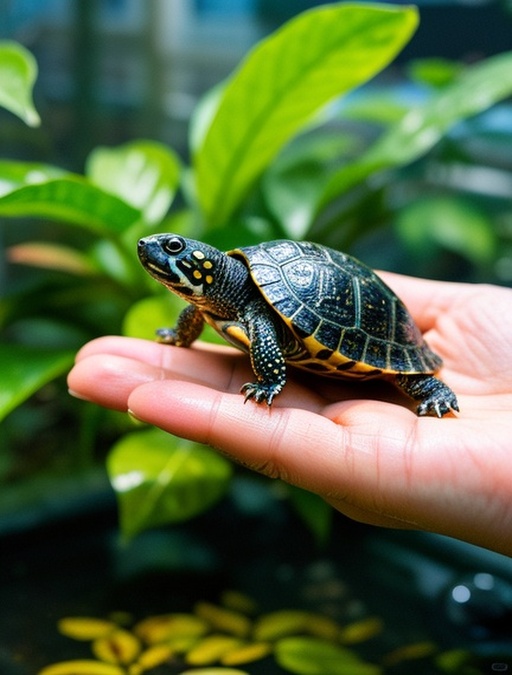
First off, before you even think about picking up a training stick, you gotta let your turtle settle in first, okay? Black-breasted Leaf Turtles are super sensitive to new environments, so when you first bring them home, leave them totally alone for 2 to 3 weeks. Don’t tap on the glass, don’t try to pick them up, just make sure their enclosure has the right temps (75-85°F ambient, 88-90°F basking spot) and plenty of hiding spots like leaf litter and cork bark, and refill their food and water quietly. Once they stop darting for cover every time you walk past the enclosure, that’s your sign they’re comfortable enough to start training. You also wanna learn their natural rhythms first: most of these guys are most active early in the morning or late in the afternoon, so that’s the best time to do training sessions, not when they’re napping under a log at midday.
The first and easiest training you can do is target training, it’s the base for all other tricks you wanna teach later. All you need is a small cheap plastic stick (a popsicle stick works perfect) with a bright red dot painted on the end, and a supply of their absolute favorite treat. Black-breasted Leaf Turtles go crazy for things like live earthworms, chopped snail meat, mashed ripe papaya or banana, so test a few to see what yours would crawl across the enclosure for. Here’s how to do it: wait till your turtle is out and about, hold the target stick about 2 to 3 inches in front of their face. Don’t wave it around, that will scare them, just hold it still. Most of the time, they’ll sniff or nudge the red dot out of curiosity, and the second they do that, pop a tiny piece of treat right in front of them, and say a short consistent cue like “here” or “come”. Do this for 5 minutes max per session, 2 to 3 times a day. After 1 to 2 weeks, you’ll notice they’ll start moving towards the target stick as soon as they see it, even before you offer the treat. You can then start moving the target further away, across the enclosure, and they’ll follow it. Super cool right?
Once they’ve nailed target training, hand feeding training is the next step, and it’s game changing for reducing stress during health checks. A lot of Black-breasted Leaf Turtles will hide or even nip if you try to touch them when they don’t know you, but hand feeding teaches them your hand is a source of good stuff, not a threat. Start by holding the treat between your thumb and forefinger, instead of using the target stick, hold it out the same way you held the target. At first, they might be a little hesitant, or even nip your finger by accident (their eyesight isn’t the best, don’t take it personal!). Don’t yank your hand away, that will startle them and make them think they did something wrong. Just hold still, if they nip you, wait a few seconds then try again. Once they take the treat from your hand calmly, give them a little extra praise (they might not understand the words, but your calm tone helps!). After a couple weeks of this, you’ll notice they’ll walk right up to your hand when you put it in the enclosure, instead of running away. This makes it so much easier to pick them up for weight checks, shell inspections, or when you need to clean the enclosure, no more chasing them around under the leaves!
Wanna cut down on enclosure cleaning time by half? Try litter training your Black-breasted Leaf Turtle! Most of these little guys naturally prefer to poop in water, so you can use that instinct to train them to go in a specific spot. First, put a shallow, sturdy water dish in a corner of their enclosure, make sure it’s big enough for them to climb into easily. Watch them for a couple days to learn their pre-poop cues: most will wiggle their hind legs, or stop walking and hunch a little, right before they go. The second you see that cue, gently pick them up (if they’re already comfortable with you touching them) and place them directly in the water dish. Wait till they finish pooping, then give them a tiny treat and let them go back to whatever they were doing. It might take a few tries, and there will definitely be accidents at first, don’t yell or punish them, they don’t understand that. Just keep consistent, after 3 to 4 weeks, most will automatically climb into the water dish when they need to go, so you only have to clean out the water dish every day instead of scrubbing poop off every leaf and piece of bark in the enclosure. Total game changer, trust me.
Now, let’s talk about common problems you might run into, and how to fix em. First off, if your turtle is totally ignoring you and the treats during training sessions, don’t get frustrated, it’s almost never their fault. First check the enclosure temperature: if it’s lower than 75°F, their metabolism slows way down, they don’t feel hungry or active enough to participate. Turn up the heat a little, wait an hour, then try again. Second, maybe the treat you’re using isn’t exciting enough. If you’ve been using banana, try switching to live earthworms, or if they don’t like worms, try mango. Every turtle has their own favorite snacks, you just gotta find what works for yours. Third, don’t train them right after they eat, they’re full and sleepy, they don’t care about extra treats. The best time is 1 to 2 hours after they wake up, when they’re already looking for food. Also, keep sessions super short, 5 minutes max. Turtles have way shorter attention spans than dogs, if you drag it out too long they’ll get bored and stressed.
One fun extra training you can try once they’ve got the basics down is teaching them to climb onto a small scale on their own for weekly weight checks. Weight is one of the best ways to tell if your turtle is healthy, so weighing them once a week helps you catch any health issues early. All you have to do is put the scale in their enclosure, put the target stick on top of the scale, and when they climb onto the scale to nudge the target, give them a treat. After a while, they’ll climb onto the scale on their own when they see you come over, no chasing, no stress, you just take the weight reading and give them a snack. It’s so easy, and it’s way better than forcing a scared turtle onto a scale every week.
The biggest thing to remember with all Black-breasted Leaf Turtle training is to go at their pace. Some turtles pick up all these tricks in a month, some take 3 months, that’s totally fine. Never punish your turtle for not getting it, they don’t understand punishment, it will just make them scared of you. The whole point of training is to make their life less stressful and make your care routine easier, so if it’s feeling like a chore, take a break for a few days then try again. You’ll be shocked at how smart these little shelled guys are once you give them a chance!