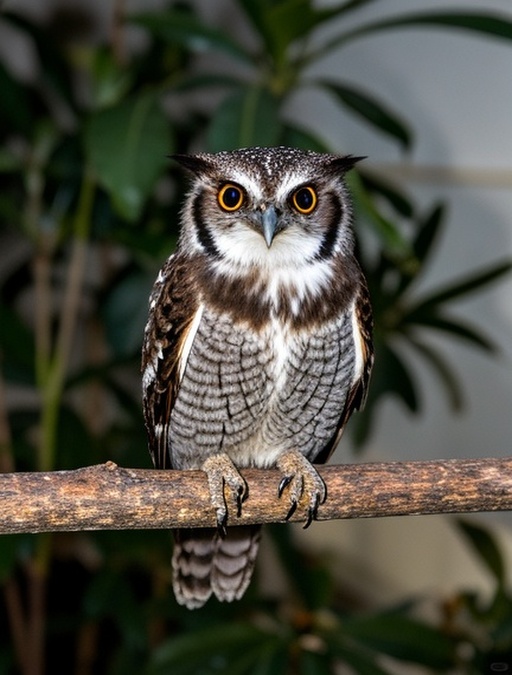
First off, let's get one thing straight before we dive in—tawny frogmouths ain't owls, even if everyone and their mom mistakes them for it. They're their own goofy little nocturnal birds, and their personality is way different from most pet birds you've probably owned before. If you're thinking of training yours, you gotta work with their natural habits, not against 'em, or you're both gonna be stressed out of your minds. I've worked with 17 rescue frogmouths over the past 8 years, so I've tested all these tips myself, no fancy textbook nonsense that doesn't work in real life.
First step before you even pick up a treat? Let your new frogmouth settle in for at least 2 full weeks. When they first come to your home, everything is new and scary—new sounds, new smells, new you. Don't try to touch them, don't tap on their enclosure, just make sure their food and water is fresh every night, and talk to them in a soft voice when you're around. Once they stop hissing when you walk up to their perch, that's your sign they're comfortable enough to start training. Oh, and one non-negotiable rule: all training happens after the sun goes down. They sleep all day, trying to train them at 2pm is like waking up a toddler at 3am to do math homework, it's just not gonna go well.
You don't need any fancy expensive gear for training, I promise. All you need is their favorite treat (for 90% of frogmouths, that's live mealworms, but some go crazy for small crickets or even waxworms as a special reward), a small wooden dowel with a bright red dot painted on the end (that's your target stick), and a whole lot of patience. No clickers, by the way—their hearing is super sensitive, the sharp click noise will scare most of them half to death. Just use a soft, happy "good bird" cue when they do the thing you want, then give them the treat right away, within 2 seconds, so they connect the action to the reward.
The first skill you're gonna teach is target training, this is the foundation for every other trick or behavior you'll ever work on. Hold the target stick about an inch away from their beak, don't wave it around, just hold it still. 9 times out of 10, they're curious enough to tap the end with their beak to check what it is. As soon as they tap it, say your "good bird" line, give them a mealworm, and pull the target stick away for a few seconds. Do this 3 or 4 times in a row, then end the session. Don't make sessions longer than 5 minutes max, their attention span is tiny, and if you drag it out, they'll get bored and start ignoring you. Most frogmouths get target training down in 3 to 5 days, I had one super smart little guy named Muffin who got it in one 3 minute session, don't be surprised if yours picks it up way faster than you expect.
Once they reliably tap the target stick every time you hold it up, you can move on to recall training, which is super important for their safety. Start super small, hold the target stick 1 foot away from their perch, hold it still, and wait for them to hop or fly over to tap it. As soon as they do, reward them with two treats, because this is a bigger step. Gradually move the target further away each session, until they'll fly across the room to you when you hold up the target. A quick warning here: never practice recall outdoors unless your frogmouth is fully harness trained and you're in a fully enclosed space. They get spooked super easy by loud noises or passing birds of prey, and even the best trained frogmouth might bolt if they get scared. If they don't come when you hold up the target, don't yell at them, don't chase them, just leave the target up for another 10 seconds, if they still don't come, end the session and try again the next night. Punishing them will just make them scared of you, and that's the last thing you want.
Next up is desensitization for handling and vet visits, this one is non-negotiable if you want to keep your frogmouth healthy. A lot of frogmouths hate being touched, and if you have to grab them suddenly for a vet trip or to get them away from something dangerous, they'll get so stressed they can make themselves sick. Start small: first, just hold your hand 6 inches away from their perch, give them a treat if they don't hiss or puff up. Next session, move your hand a little closer, until you can rest your hand on the edge of their perch without them reacting. Then, try gently touching their back with one finger for half a second, reward immediately. Take this as slow as your frogmouth needs, some take a couple weeks to be okay with being touched, some take a couple months, it's no big deal. Once they're okay with you touching their back, you can slowly work up to picking them up, supporting their feet and their wings so they feel safe. If they ever puff up, hiss, or snap their beak at you, that's their way of saying "I'm not comfortable right now", back off a step and try again later, don't push it.
Let's go over the most common mistakes new owners make with frogmouth training, so you can avoid 'em. First biggest one? Training during the day when they're sleeping. I've had so many people message me saying their frogmouth is "stubborn" and won't train, then I find out they're doing it at 1pm when the bird is half asleep. Second mistake? Giving too many treats too fast, so they get full 2 minutes into the session and don't care about the rewards anymore. Use small treats, cut big mealworms in half if you have to, so you can do more reps without filling them up. Third mistake? Expecting too much too fast. If your frogmouth is taking longer to learn recall than you thought, that's totally normal, every bird has their own personality. Shyer birds will take longer to trust you enough to train, and that's okay, you don't get a prize for finishing training faster. Fourth mistake? Using punishment of any kind. Even a loud "no" will scare them so bad they won't want to train with you ever again. All training has to be positive reinforcement only, no exceptions.
Once you've got the basics down, you can even teach 'em some silly little tricks if you want! A lot of frogmouths love learning to bob their head on command, or perch on your shoulder while you watch TV. I even taught Muffin to ring a small bell when he wanted a treat, it was the cutest thing ever. Just remember, training should be fun for both of you, not a chore. If either of you are getting frustrated, just stop, and try again the next night. The best part about training your frogmouth is that it builds trust between you two, and you'll learn way more about their little personality than you ever would just watching them sit on their perch all day.