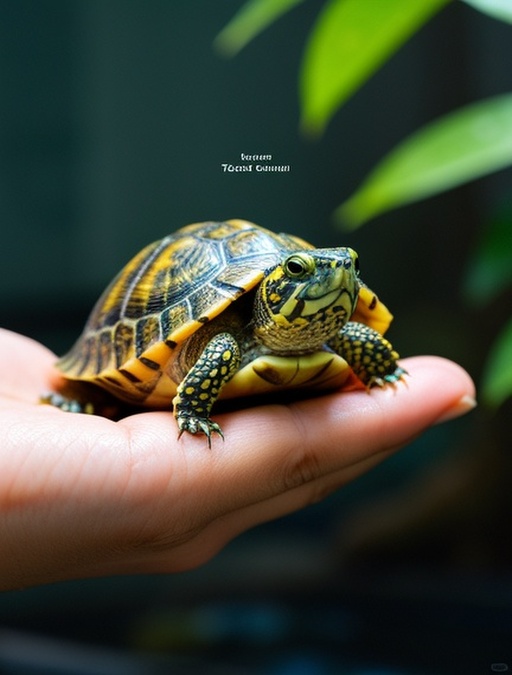
Let’s start with the most common health issue you’ll run into: shell rot. Y’all, I see this all the time with new owners who don’t get their enclosure humidity and temperature right. Shell rot shows up as weird discolored patches (usually brown, red, or white) on their shell, soft spots that feel squishy when you press gently, or even slimy, stinky gunk building up in the ridges of their three keels. Most of the time it’s caused by their basking area being too cold, or them sitting in dirty, unfiltered water for hours on end. If you catch it early, it’s super easy to fix. Just dry dock your turtle for 2 to 3 hours a day, dab the affected spots with diluted betadine (1 part betadine to 10 parts water, don’t use it full strength that burns!), and make sure their basking spot stays between 85 and 90 degrees Fahrenheit at all times. If it’s been a week and the spots are getting worse? Don’t mess around, take them to a reptile vet, okay? Bad shell rot can eat through to their bone and kill them if you leave it untreated.
Next up, nutrition-related health problems that are totally avoidable if you feed ‘em right. A lotta owners think these turtles only eat greens, or only eat bugs, and that’s the fastest way to get metabolic bone disease (MBD) or vitamin A deficiency. MBD happens when they don’t get enough calcium or UVB light, so their shell and bones get soft. You’ll notice them waddling weird, their shell feeling squishy all over, or even their limbs swelling up. Vitamin A deficiency shows up as puffy, shut eyes, runny nose, and them refusing to eat for days. The fix? Mix up their diet! Base their meals on high-quality commercial turtle pellets made for semi-aquatic hill turtles, add dark leafy greens like collard greens, dandelion greens, and kale 4 times a week, and give them a little protein like mealworms, crickets, or cooked unseasoned fish twice a week. Don’t feed ‘em iceberg lettuce, that’s basically just water with zero nutrition, and skip the fruit except for a tiny bit of strawberry once a month max. Oh, and dust their food with calcium powder 3 times a week if they’re under 2 years old, twice a week for adults. It’s such a small step but it prevents 90% of nutrition issues.
Respiratory infections are another super common problem, and almost always caused by owner mistakes. If you notice your turtle wheezing, breathing with their mouth open, holding their head way up higher than normal when they’re in the water, or blowing bubbles out their nose, that’s a respiratory infection. 9 times out of 10, it’s because their enclosure temperature is too low, their water is too cold, or their water is so dirty it’s growing bacteria that gets in their lungs. First, check your temps: water should be between 72 and 78 degrees F, the cool side of their land area should be 75 to 80 F, and the basking spot we already talked about is 85 to 90 F. If your temps are right, check your water filter. You need a canister filter that’s rated for twice the size of your water area, right? Because turtles make way more waste than fish. Change 30% of the water every week, and do a full deep clean of the whole enclosure once a month. If you see signs of respiratory infection, don’t try to treat it with over the counter meds you find online, that almost always makes it worse. Get them to a reptile vet as fast as you can, they’ll need prescription antibiotics to clear it up.
You don’t have to run to the vet every time your turtle acts a little off, though. There’s easy daily health checks you can do at home to catch issues before they get bad. Every time you go to feed them, take 2 minutes to look them over. Are their eyes clear and open, no puffiness or discharge? Run your finger gently over their shell, any new soft spots or discolored patches you didn’t see last time? Are they moving around normally, not dragging their limbs or acting sluggish? Weigh them once a month, keep a little log of their weight. If they drop more than 10% of their weight in a month with no obvious reason, that’s a red flag. Also, don’t handle them too much! These are shy little guys, and too much handling stresses them out bad. Stress lowers their immune system so much, they’ll get sick way easier. If you just brought a new turtle home, leave them completely alone for the first 2 weeks, don’t pick them up, don’t poke at their tank, just put their food in and leave. Let them settle in first, yeah?
Let’s talk about the most common mistakes new owners make that wreck their turtle’s health, because avoiding these will save you so much time and money. First, too small of an enclosure. Juvenile tricarinate hill turtles can live in a 20 gallon tank for the first year, but adults need at least a 55 gallon tank, half water half land. If they’re cramped, they get stressed, stop eating, and get sick. Second, forgetting to replace their UVB bulb. You need a T5 HO UVB bulb for their enclosure, 10 to 12 hours a day, no exceptions. They need UVB to make vitamin D3, which lets them absorb calcium from their food. Even if the bulb still lights up, replace it every 6 months, because the UVB output dies long before the bulb burns out. No UVB = guaranteed MBD, no way around it. Third, feeding them human food. I see people give their turtles bread, chips, leftover dinner meat, all that junk, and it’s so bad for their digestive system. It causes bloating, diarrhea, and long term organ damage that can kill them early. Stick to the food we talked about earlier, and you’re golden.
One last thing a lot of owners don’t think about: parasite checks. Even if you got your turtle from a breeder, not a pet store, they can have internal parasites like worms. Signs of parasites are weight loss even if they’re eating a lot, diarrhea, or little white worms in their poop. Take a sample of their poop to your reptile vet once a year for a fecal check, it’s cheap and easy, and you can get dewormer if they need it. Also, if you have multiple turtles, quarantine any new turtle for at least 3 months before putting them in the same enclosure. You don’t want a new turtle bringing in a disease that makes all your other turtles sick, right?