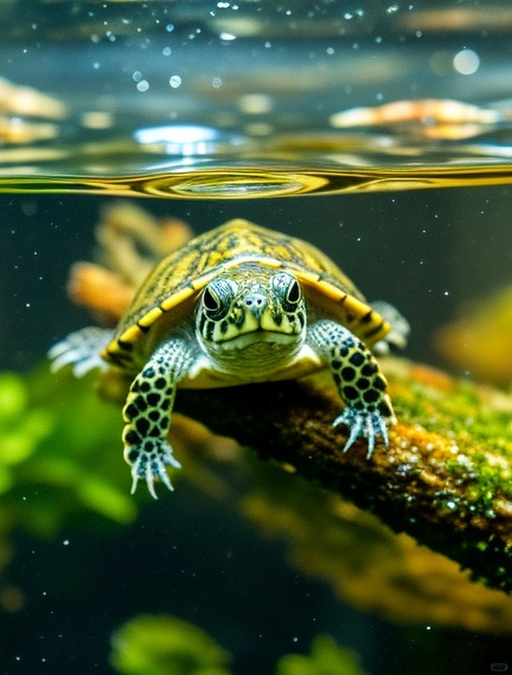
Let’s start with the most common health issues you might run into with your Beal’s Eyed Turtle, so you know what red flags to watch for first. First up, shell rot, which is hands down the most frequent problem I see with new owners. Shell rot happens when their water is dirty for too long, or they have a small scratch on their shell that gets infected. You’ll notice soft, discolored spots on their shell, sometimes fuzzy white or green growth, and if it gets bad, the shell might even start to flake or smell bad. If you ignore it, it can eat through the shell to the bone, which is super painful for the turtle and way harder to treat.
Next super common issue is respiratory infections. This almost always happens when their water or basking area temperature is too low, or there’s a cold draft blowing on their tank. Signs to look for are bubbly mucus coming out of their nose or mouth, sneezing a lot, swimming lopsided, or refusing to eat. Respiratory infections can turn into pneumonia really fast if you don’t act quick, so don’t brush off these symptoms as “no big deal”.
Third on the list is vitamin A deficiency, which happens way more often than you’d think. Beal’s Eyed Turtles need enough vitamin A in their diet to keep their eyes, skin, and immune system working right. If they don’t get enough, their eyes will get puffy and swollen, sometimes so bad they can’t open them at all. They might also stop eating, get respiratory infections more easily, or have flaky skin. A lot of owners only feed their turtles pellets or protein, which is why this pops up so much.
Last common issue is parasites, both internal and external. External parasites like leeches or mites usually come from adding wild caught plants or other new reptiles to the tank without quarantining them first. Internal parasites like worms happen if you feed your turtle wild caught insects or fish that carry parasites, or if they eat contaminated food. Signs of internal parasites are weight loss even if they’re eating a lot, runny poop, or bits of worms in their poop.
Now, the good news is 90% of these health issues are totally preventable with the right daily care routine, so let’s go over what you need to do every day/week to keep your turtle healthy. First and foremost, nail their tank setup, starting with water quality. Beal’s Eyed Turtles are messy eaters and they poop a lot, so dirty water is the #1 cause of almost all their health problems. You need a canister filter that’s rated for twice the size of your tank (if you have a 20 gallon tank, get a filter made for 40 gallons, trust me on this). Do a 25-30% water change every single week, and test the water for ammonia, nitrite, and nitrate levels every other week to make sure they’re all at safe levels. The water pH should stay between 6.5 and 7.5, and water temperature should sit steady at 75-80°F, no big fluctuations.
Next, their basking area is non-negotiable, don’t skip this part! You need a dry spot in the tank where they can climb completely out of the water to dry off and warm up. The basking spot temperature should be 85-90°F, measured with a digital thermometer (don’t use those cheap stick on ones, they’re super inaccurate). You also need a UVB light specifically made for reptiles, left on for 10-12 hours a day, replaced every 6 months even if it still lights up. UVB light helps your turtle absorb calcium, which keeps their shell and bones strong. No UVB = metabolic bone disease, which causes soft shells, deformed limbs, and even early death, so this is not an area to cut costs.
Feeding them the right diet is the next big part of preventative health care. Beal’s Eyed Turtles are omnivores, but their diet changes as they age. Baby and juvenile turtles (under 3 years old) need more protein to grow, so their diet should be 70% protein (bloodworms, earthworms, crickets, high quality commercial turtle pellets) and 30% plant matter (duckweed, water lettuce, collard greens). Adult turtles (3 years and older) need way less protein, flip that ratio: 70% plant matter, 30% protein. If you feed adults too much protein, they’ll get kidney damage or shell deformities, so don’t spoil them with too many worms just because they beg for it.
You also need to add supplements to their food regularly to make up for any gaps in their diet. Sprinkle calcium powder on their food 2-3 times a week, and a reptile multivitamin once a week. Don’t feed them human food like bread, chips, or processed meat, these have no nutritional value for them and mess up their digestive system. Also, don’t overfeed them! Adult turtles only need to be fed every other day, juveniles once a day. A good rule of thumb is to feed them an amount roughly the size of their head, that’s all they need.
Another easy thing you can do to catch health issues early is do a quick weekly health check on your turtle. It only takes 5 minutes, and you can catch small problems before they turn into big expensive vet visits. First, gently pick them up and look over their entire shell, top and bottom. Look for any soft spots, discoloration, cracks, or weird growths. Next, check their eyes: they should be clear, bright, and open when they’re awake, no puffiness or discharge. Check their nose and mouth: no bubbly mucus, no bad smell coming from their mouth. Then check their limbs and skin: no swelling, no red spots, no mites or ticks. Also, keep an eye on their appetite and behavior. If they’re usually super excited to eat and suddenly refuse food for more than 2 days, that’s a red flag something’s wrong.
If you do notice your turtle is sick, don’t panic, but don’t try to self medicate with random drugs you have at home either, that can make things way worse. For minor shell rot, first fix the water quality immediately, do a full water change and clean the filter. Then, dry dock your turtle for 1-2 hours a day: take them out of the water, put them in a warm dry container, dab the affected spot with a tiny bit of diluted povidone iodine, let it dry before putting them back. If it doesn’t get better in 3 days, go to a reptile vet, they might need antibiotics. For respiratory infections, first raise the water temperature by 2-3 degrees, make sure the basking spot is at the right temp, and eliminate any drafts near the tank. If they still have symptoms after 24 hours, go to the vet, respiratory infections in turtles usually need prescription antibiotics to clear up.
For vitamin A deficiency, first adjust their diet to add more vitamin A rich foods: steamed small bits of carrot, sweet potato, dark leafy greens like kale. You can also give them a vitamin A supplement, but only as directed by your vet, because too much vitamin A is toxic too. For parasites, you’ll need to take a sample of their poop to the vet to get tested, they’ll give you the right deworming medication for the type of parasite your turtle has.
A few extra quick tips to keep your Beal’s Eyed Turtle healthy: don’t house multiple adult turtles in the same tank unless it’s at least 50 gallons, they’re pretty territorial and will bite each other, leading to wounds that get infected. Always wash your hands before and after handling your turtle, to avoid passing germs between you and them (they can carry salmonella, so this is super important especially if you have kids in the house). And never release your Beal’s Eyed Turtle into the wild if you can’t take care of them anymore. They’re an invasive species in most places outside their native range, and they’ll either die from not knowing how to survive, or mess up the local ecosystem. Instead, reach out to a local reptile rescue or find an experienced turtle owner to take them in.