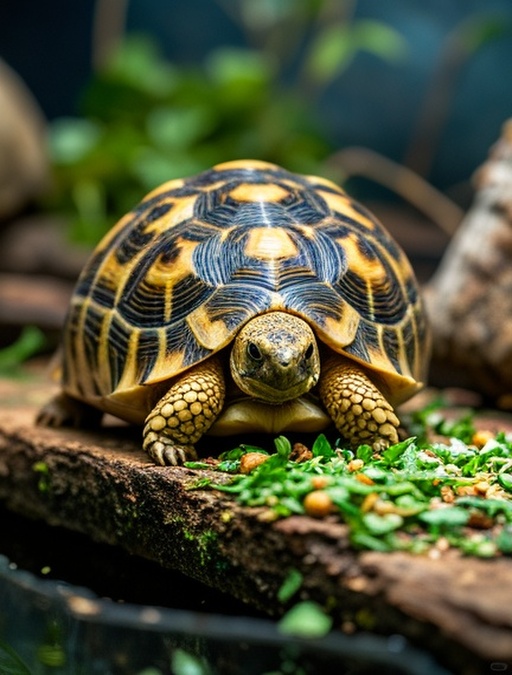
So, first things first: what should you be feeding your Indian Star Tortoise? These guys are herbivores, which means they munch on plants all day long. In the wild, they'd be grazing on grasses, weeds, and leafy greens. For your pet, think high-fiber, low-protein foods. Go for stuff like dandelion greens, collard greens, and endive—they're packed with nutrients and easy to find. Avoid iceberg lettuce like the plague; it's mostly water and doesn't offer much value. Instead, mix in some hibiscus leaves or mulberry leaves for variety. Oh, and a little fun fact: they love flowers too! Rose petals and nasturtiums can be a tasty treat, but keep it occasional.
Now, let's talk about how much and how often to feed. Indian Star Tortoises aren't big eaters compared to some other reptiles, so don't overdo it. For adults, feeding every other day is usually perfect. Offer a portion that's about the size of their shell—this helps prevent obesity, which can be a real issue in captivity. Juveniles, on the other hand, need daily meals to support their growth. Make sure the food is chopped into small, bite-sized pieces so they can easily munch away. And always remove uneaten food after a few hours to keep their enclosure clean and prevent spoilage.
Hydration is key, folks! These tortoises need fresh water available at all times. Use a shallow dish that they can easily climb in and out of—they might not drink much, but they'll soak in it, which helps with hydration and shell health. Mist their food lightly with water too; this adds moisture and makes it more appealing. In hot weather, you might notice them drinking more, so keep an eye on that water dish. Dehydration can lead to serious problems, so don't skip this step.
Supplements? Yes, they're a must! Even with the best greens, your tortoise might miss out on essential vitamins and minerals. Dust their food with a calcium supplement a couple times a week—this strengthens their shell and bones. Once a week, add a multivitamin powder to boost overall health. But be careful not to over-supplement; too much can be harmful. If you're unsure, chat with a vet who specializes in reptiles. They can give personalized advice based on your tortoise's age and health.
Avoid these no-nos at all costs: high-protein foods like dog or cat kibble, fruits (they're too sugary and can cause digestive issues), and any toxic plants such as rhubarb or avocado. Also, steer clear of processed human foods; stick to natural, fresh options. If you're ever in doubt about a food item, do a quick search or ask an expert. Better safe than sorry when it comes to your little star's diet.
Lastly, observe your tortoise's behavior. A healthy eater will be active and curious during mealtimes. If you notice a loss of appetite, weight changes, or unusual poop, it might be time to tweak the diet or see a vet. Regular check-ups can catch issues early. Remember, feeding isn't just about filling their belly—it's about bonding and ensuring a long, happy life. So take your time, enjoy the process, and watch your Indian Star Tortoise flourish with every bite!