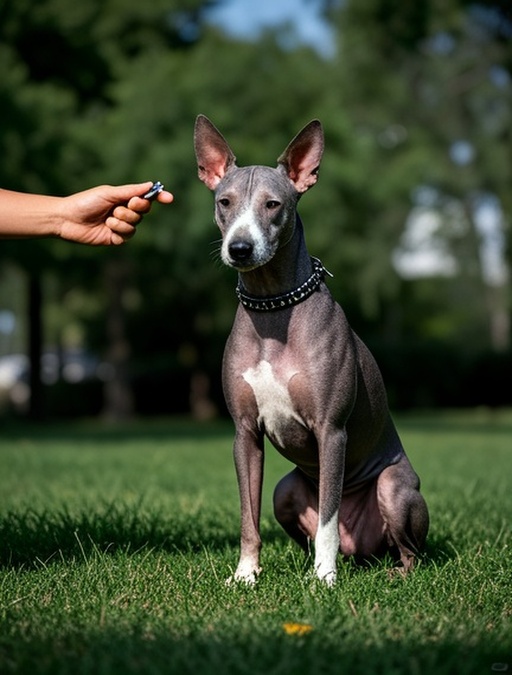
The first thing you gotta do before any training is understand your Xolo’s core personality traits. These dogs have been around for thousands of years, right? They were kept by the Aztecs as companion animals, guard dogs, even spiritual protectors. That deep loyalty and protective streak isn’t something you can train out of them, and you shouldn’t want to! But you do need to work with it, not against it. Xolos are way more sensitive than their tough, hairless exterior makes them look. Yell at them or punish them harshly for a mistake, and they’ll shut down entirely, refuse to participate in training for days. That’s why positive reinforcement is non-negotiable for this breed, full stop.
Start training as early as you can, ideally when your Xolo puppy is 8 to 12 weeks old. That’s their prime socialization and learning window, so habits you build then stick for life. But if you adopted an older rescue Xolo? Don’t stress, you can totally train them too, it just takes a little extra patience. I worked with a 4-year-old rescue Xolo last year who had never had any training at all, and within 3 months he was doing basic commands, walking perfectly on a leash, and even greeting guests without barking his head off. It’s never too late, I promise.
Stick to basic obedience first, and keep training sessions super short. Xolos have pretty short attention spans, so 5 to 10 minute sessions 2 or 3 times a day work way better than one long 30 minute session that bores them. Start with the simple stuff: sit, stay, come, leave it. Use rewards they actually care about, too. Most Xolos go crazy for freeze-dried chicken treats, but a lot of them value cuddles and verbal praise even more. When they do the thing you asked correctly, yell “YES!” super excited, give them a treat and a scratch behind the ears, and they’ll be dying to do it again. Don’t skimp on the enthusiasm, these dogs feed off your energy more than you realize.
Let’s talk about the most common behavioral issue Xolo owners run into: stranger wariness. It’s totally normal for this breed, remember they were guard dogs for centuries! A lot of new owners panic when their Xolo barks at new people who come over, or refuses to let a friend pet them, and think they’re being aggressive, but 9 times out of 10 they’re just being cautious. Don’t ever force your Xolo to interact with someone they’re uncomfortable with, that’ll only make their wariness worse. Instead, when you have guests over, tell them to ignore your Xolo at first. Let your pup approach them on their own time, and have the guest leave a treat on the floor next to them without reaching for the dog. After a few visits, your Xolo will realize that new people mean good things, and they’ll warm up on their own. Socialize them young, too: take them to quiet dog parks, coffee shops that allow dogs, introduce them to people of all ages, sizes, and backgrounds, different sounds like vacuums and doorbells, just don’t overwhelm them. If they seem stressed, take a break, don’t push it.
Second most common issue? Separation anxiety. Xolos bond so closely to their primary owner, they hate being left alone even for short periods. I’ve heard so many stories of Xolos chewing up couches, scratching at doors, or barking nonstop the second their owner leaves the house. The fix is slow, simple, and consistent. Start with super short absences: put your shoes on, grab your keys, leave for 2 minutes, then come back. Don’t make a big fuss when you leave or when you come back, act like it’s no big deal. Slowly build up the time you’re gone, from 2 minutes to 5, to 15, to an hour, to 4 hours, etc. Leave them with a puzzle toy stuffed with peanut butter or wet food when you leave, that keeps them occupied for ages and associates you leaving with good things. A snuffle mat or a window perch where they can watch birds and people walk by also works wonders to distract them. If their anxiety is really bad, you can even try leaving a shirt that smells like you on their bed, that helps them feel safe.
Leash reactivity is another thing a lot of Xolo owners deal with. Because of their protective instinct, they’ll often bark or lunge at other dogs or strangers when you’re out on walks, especially if they think you’re in danger. The key here is to redirect them before they react. Keep an eye out when you’re walking, if you see another dog or a person coming from far away, get your Xolo’s attention on you with a treat, ask them to sit, and reward them for focusing on you instead of the other person/dog. Don’t yank on their leash or yell at them when they react, that just tells them that there’s actually something to be scared of, and makes the reactivity worse. If you keep at it, over time they’ll learn that seeing other dogs or people on walks means they get a treat, and they’ll start looking at you for a reward instead of reacting.
Boundary training is also super important for Xolos, because they love being as close to their people as possible. If you don’t want them jumping on guests, or getting on the kitchen counter, or sleeping on your expensive leather couch, you have to be consistent with the rules. Everyone in your household has to follow the same rules, too. If you let them get on the couch when you’re watching TV alone, but yell at them for getting on it when your grandma is over, they’ll get confused and won’t understand what you want. Use a marker word like “off” when they get somewhere they’re not supposed to, and reward them when they move to the spot you want them to be, like their dog bed. It doesn’t take long for them to get the hang of it, as long as you’re not sending mixed signals.
One mistake I see so many Xolo owners make is forgetting about mental stimulation. Xolos are smart, like really smart. If they don’t have anything to occupy their brain, they’ll find their own fun, and that usually means chewing your favorite sneakers, digging holes in your backyard, or barking at nothing for hours. 10 minutes of trick training a day is enough to tire their brain out more than a 30 minute walk. Teach them fun tricks like roll over, high five, fetch, even how to bring you your slippers. Puzzle feeders instead of regular food bowls, snuffle mats, hide and seek games where you hide treats around the house for them to find, all of these things keep their brain busy and stop bad behavior before it starts.
Potty training for Xolo puppies is actually way easier than a lot of other breeds, as long as you stick to a schedule. Take them out first thing in the morning, right after they eat, right after they wake up from a nap, right after playtime, and right before bed. When they go potty outside, praise them like they just won the doggy lottery, give them a treat, make a big deal out of it. If they have an accident inside, don’t scold them, they won’t understand why you’re mad. Just clean it up with an enzymatic cleaner so they don’t smell the urine and go there again, and adjust your schedule to take them out more often.
Last thing I’ll say: be patient. Every Xolo is different, some will pick up commands in a day, others will take weeks to get the hang of sit. Don’t compare your dog to other people’s dogs, and don’t beat yourself up if you have setbacks. Training is a lifelong process, not something you do once and are done with. The more time you spend training your Xolo, the stronger your bond will be, and the happier both of you will be living together.