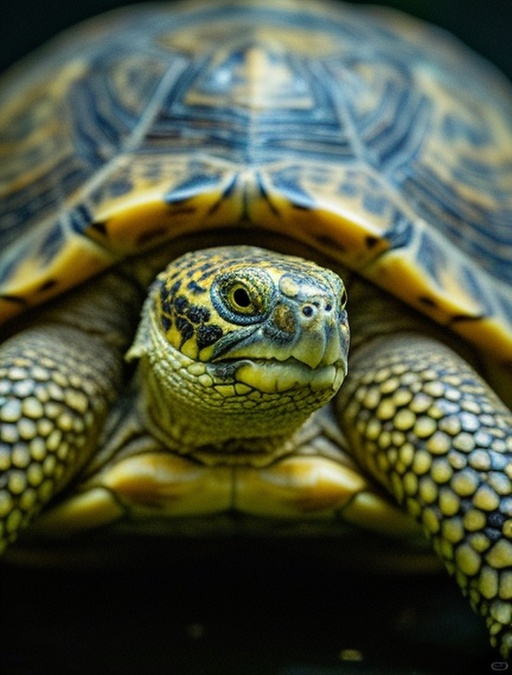
First off, let’s get the big global rule out of the way first, cause this applies no matter where you live. Elongated tortoises (Indotestudo elongata) are classified as Vulnerable on the IUCN Red List, and they’re listed on CITES Appendix II. What that means for regular folks is that international trade of wild-caught elongated tortoises is 100% banned, full stop. Even if you’re moving from one country to another and want to bring your pet tortoise with you, you have to apply for a special CITES export and import permit months in advance, and you have to have ironclad proof that your tortoise was born in captivity, not taken from the wild. I’ve heard so many horror stories of people trying to sneak their tortoise in their luggage on an international flight, only to have it confiscated at customs and get hit with a $10,000+ fine. It’s not worth it, y’all. Even if a seller tells you 'this wild caught one is way cheaper than captive bred', don’t take the bait. Not only are wild caught tortoises way more likely to have parasites, stress-related illnesses, and die soon after you bring them home, buying one supports illegal wildlife trafficking that’s pushed this species to the edge of extinction in their native range across South and Southeast Asia.
Next up, you have to check your country, state, and even city specific regulations, cause they vary wildly from place to place, and a lot of new owners miss this step. Let’s break down the most common regions first. If you live in the United States? First, elongated tortoises are protected under the U.S. Endangered Species Act, so you can’t buy, sell, or own one across state lines without a federal permit. On top of that, state rules are all over the place: states like California, Hawaii, and Alaska completely ban keeping elongated tortoises as pets, full stop, cause they’re considered a potential invasive species if they get released into the wild. Other states like Texas, Florida, and Arizona allow ownership, but you have to apply for a state exotic pet permit first, and some require you to have your tortoise microchipped and registered with the state wildlife agency. Oh, and don’t forget to check your city ordinances too! I had a client in Austin a couple years ago who had a state permit, but didn’t realize his city had a local ban on all tortoise species larger than 6 inches, and he almost had his 10 year old elongated tortoise taken away. It took him 3 months of appeals to keep it, and he had to pay a $500 fine on top of that. If you live in the European Union? All elongated tortoises have to be microchipped, and you need an official EU internal trade document if you’re buying, selling, or moving your tortoise between EU countries. You also have to have written proof that your tortoise is captive bred, no exceptions. If you live in a country where elongated tortoises are native, like India, Thailand, Myanmar, or Vietnam? It’s almost always completely illegal to keep one as a pet without a special government wildlife rehabilitation or conservation permit, cause wild populations are crashing so fast. Even if you find a baby tortoise wandering in your yard, you can’t just take it home and keep it, you have to turn it over to the local wildlife department.
Okay, so you’ve checked your local rules, you’ve applied for and got all the required permits, what rules do you have to follow while you own your tortoise? First off, you have to keep all your paperwork organized and accessible at all times. That includes proof of captive breeding from your breeder, your CITES paperwork if your tortoise was imported, your state/local exotic pet permit, microchip registration documents, and any health certificates from your vet. If a wildlife official shows up at your door asking for proof that your tortoise is legal, you have to be able to show them all that right away, otherwise they can confiscate your tortoise on the spot. Second, you can’t just breed your tortoise and sell the babies whenever you want, that’s a super common mistake people make. Almost every place that allows elongated tortoise ownership requires you to get a separate breeder permit before you can breed or sell any offspring, and you have to register every baby tortoise with the state wildlife agency and get them microchipped before they’re sold. Third, and this one is non-negotiable: you can never, ever release your elongated tortoise into the wild, no matter what. Even if you can’t take care of it anymore, even if you think it’ll be 'happier outside', don’t do it. First off, if it’s a captive bred tortoise, it won’t know how to find food or avoid predators, so it’ll almost definitely die within a few weeks. Second, if you live somewhere that’s not their native range, they can become an invasive species, outcompete local native turtles and tortoises for food and shelter, and spread diseases that kill local wildlife. I had a customer last year who tried to release his tortoise in a local state park when he moved abroad for work, and someone reported him. He got a $2500 fine, had to drive 6 hours back to the park to search for the tortoise (they found it hiding under a bush, thank god), and had to pay to surrender it to a licensed reptile rescue. Total nightmare, completely avoidable. If you can’t keep your tortoise anymore, reach out to a licensed exotic pet rescue, your local wildlife agency, or a reptile hobbyist group in your area to find it a new legal home.
Let’s talk about what steps you should take if you want to get an elongated tortoise the legal, ethical way, so you don’t run into trouble down the line. First step, before you even look at any tortoises for sale, look up your local state/provincial and city wildlife regulations. Go straight to the official government website, don’t trust random Facebook posts or seller claims. If you need a permit, apply for it first, wait until you get approved before you start shopping. Second, only buy from licensed, reputable captive breeders who specialize in elongated tortoises. Ask to see all their paperwork first: their breeder’s license, proof that all their adult breeding tortoises are legal and registered, and ask for a written guarantee that the baby tortoise you’re buying is captive bred, not wild caught. Any good breeder will be happy to show you all this, and they’ll even help you fill out the registration paperwork for your new tortoise. Avoid sellers on Craigslist, Facebook Marketplace, or random online reptile shops that can’t show you proper paperwork, or offer to ship the tortoise to you across state or national borders without requiring you to show your permit first. Those are almost always illegal, and you’re supporting a trade that’s wiping out wild tortoise populations. Third, as soon as you bring your tortoise home, make sure to register it with your local wildlife agency if that’s required, get it microchipped if you haven’t already, and keep all your paperwork in a safe, easy to find place. It’s also a good idea to find a vet that specializes in reptiles and exotic pets right away, so you can get a health check done for your new tortoise, and have official health records on file if you need them.
A lot of people hear all these rules and think 'wow, that’s a lot of hassle just to have a pet tortoise', but these regulations aren’t there to make your life harder. Wild elongated tortoise populations have dropped by almost 80% in the last 3 generations, mostly due to illegal pet trade and habitat destruction. If everyone bought wild caught tortoises and ignored the rules, this species would be extinct in the wild in less than 20 years. Following the rules doesn’t just keep you from getting fined or losing your pet, it helps protect the species for future generations. And honestly? Captive bred elongated tortoises are way better pets anyway. They’re used to human contact, they’re way less stressed, they don’t carry the parasites and diseases that wild caught ones usually have, and they’re way more likely to live a long, healthy life with you. If you’re willing to put in the time to follow the rules and set up a proper enclosure for your tortoise, you’ll have an amazing, gentle pet that’ll be with you for decades.