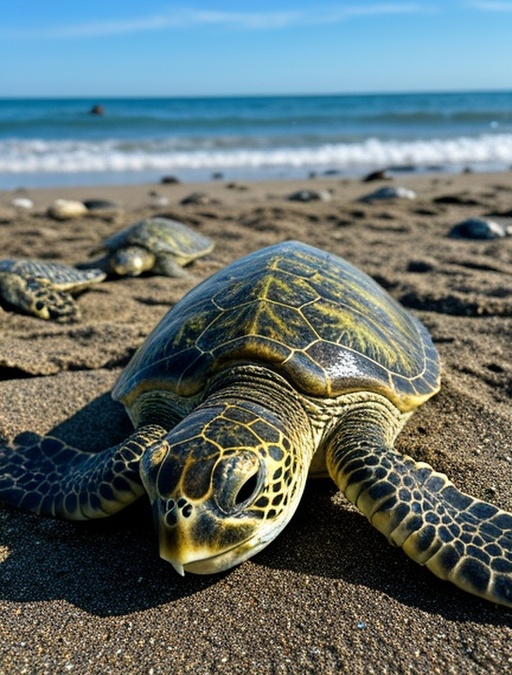
First off, let's talk about the most common health problems you'll spot in wild Olive Ridleys, 'cause 90% of the cases we get at rehab centers are from human-caused issues, honestly. First up is plastic ingestion—these little guys munch on jellyfish all the time, and floating plastic bags look exactly like their favorite snack to them. If a turtle eats plastic, it can block their digestive tract, make them feel full all the time so they don't eat actual food, and even lead to poisoning as the plastic breaks down in their gut. You can usually tell if a turtle ate plastic if they're lethargic, not eating, or have weird buoyancy issues where they can't dive properly and keep floating to the surface even when they try to go under.
Then there's entanglement in fishing gear, like ghost nets, longlines, even discarded fishing line left by recreational anglers. Olive Ridleys get caught in this stuff all the time when they're foraging in shallow coastal waters. The gear can cut deep into their flippers, cut off blood flow, and even cause partial or full amputations if it's left wrapped around their limbs for too long. If you find a tangled turtle, don't yank the gear off right away if it's dug into their skin—you could tear their flesh or cause permanent nerve damage. Use blunt, rounded scissors to cut away as much loose gear as you can safely, then get them to a licensed rehab center as fast as possible.
Boat strikes are another huge problem, especially near nesting beaches where females are coming close to shore to lay eggs. Cracked or broken shells are super painful for turtles, and open shell wounds can get infected really fast if you don't clean them properly. Small, fresh, shallow shell wounds can be cleaned with diluted betadine first to kill surface bacteria, but any deep cracks that go through the hard shell to the soft tissue underneath need professional vet care, no exceptions. Don't try to glue or patch a deep shell yourself, you might trap bacteria inside the wound and make the infection spread way faster, which can be fatal for the turtle.
Nesting female Olive Ridleys have their own set of common health issues to watch out for during arribada season. A lot of females get exhausted after dragging themselves up the beach to dig nests and lay eggs, especially if they have to cross long stretches of hot sand or navigate around human crowds, beach furniture, or construction barriers. Some also suffer from egg retention, where they can't lay all their eggs properly due to stress, injury, or calcium deficiency, which can be life-threatening if left untreated. If you spot a nesting female that's lying on the sand not moving for hours, or seems to be straining repeatedly without laying eggs, call a local wildlife rescue team immediately. Don't touch or disturb nesting females unless they're in immediate danger, like being in the path of a car, because extra stress can make their health issues way worse.
If you live in temperate coastal areas where ocean temps drop suddenly in winter, you might find cold-stunned Olive Ridleys washed up on beaches. Cold stunning happens when the water gets below 50°F (10°C) and the turtle's metabolism slows way down, leaving them too weak to swim or move properly, and they get carried to shore by currents. If you find a cold-stunned turtle, don't put them back in warm water right away, that sends their system into shock and can kill them. Wrap them in a dry, soft towel (don't put them directly on heating pads, don't pour warm water on them) and transport them to a rehab center as soon as possible so they can warm up gradually under professional supervision.
Now for folks who are caring for Olive Ridleys in permitted rehab centers or captive facilities, let's go over daily care basics. First, their tank or pool water needs to be kept between 75°F and 82°F (24°C to 28°C), that's the sweet spot for their metabolism and immune system function. You have to test the water quality every single day—ammonia and nitrite levels need to be at 0, nitrate levels below 20 ppm, and salinity should match natural seawater, around 30 to 35 parts per thousand. Bad water quality is the number one cause of skin and shell infections in captive turtles, so don't skip those water tests, I'm serious. Even a small spike in ammonia can cause painful skin burns and respiratory issues for the turtles.
Their diet is another big part of keeping them healthy. Wild Olive Ridleys are omnivores, they eat jellyfish, small fish, shrimp, crabs, sea urchins, and even algae sometimes. In rehab, you can feed them a mix of frozen-thawed squid, shrimp, small fatty fish like sardines, and commercially made sea turtle pellets to make sure they get all the vitamins and minerals they need. Younger juvenile turtles need to eat every day, while adult turtles can eat every other day. You should also add a calcium supplement to their food two to three times a week to keep their shells and bones strong, especially if they're recovering from a shell injury or are a nesting female that just laid eggs.
Another thing to keep in mind for rehab turtles is parasite control. Most wild Olive Ridleys have low levels of internal parasites like worms, which is totally normal for them in the wild and doesn't usually cause health issues. You only need to treat them for parasites if they're showing clear symptoms like constant diarrhea, weight loss even with a good appetite, or visible parasites in their feces. Always work with an exotic animal vet who specializes in sea turtles to get the right dosage of dewormer, giving too much dewormer can damage their liver and kidneys, which is way worse than the low parasite load itself.
Any new turtle coming into a rehab facility needs to be quarantined for at least 30 days before you put them with other turtles, no exceptions. That stops the spread of contagious infections like herpesvirus or fungal shell rot, which can wipe out a whole group of turtles super fast if it gets into your main population. If you spot a turtle with fuzzy white or green patches on their skin or shell, that's a fungal infection. Isolate them right away, clean the affected areas with diluted antiseptic daily, and talk to your vet about topical or oral antifungal treatments. Bacterial infections usually show up as red, swollen areas or oozing wounds, those need antibiotic treatment prescribed by a vet too, don't use over the counter human meds without checking first, a lot of them are toxic to sea turtles.
Before you release a recovered Olive Ridley back into the wild, you have to run a few mandatory health checks to make sure they're ready to survive on their own. First, they need to be able to dive and swim normally for at least 72 hours straight, no buoyancy issues at all. They need to be eating consistently on their own, no hand-feeding needed, for at least two weeks. All their wounds need to be fully healed, no open areas that could get infected once they're back in the ocean. You should also weigh them to make sure they're at a healthy weight for their size—adult Olive Ridleys usually weigh between 75 and 100 pounds, give or take, and juveniles should be at a weight where they can avoid predators easily. If your program uses tracking tags, attach those before release too, it helps scientists track their movement and survival rates after release to improve future care efforts.
One last important reminder for everyone who's not a licensed wildlife worker: if you find a sick, injured, or stranded Olive Ridley on the beach, don't try to care for it yourself. These are protected endangered species in almost every country, it's illegal to keep or treat them without proper government permits, and you could accidentally hurt them even if you have the best intentions. Keep a safe distance from the turtle, don't let crowds or dogs bother it, and call your local wildlife rescue or marine conservation group right away, they have the training, permits, and resources to give the turtle the proper care it needs to recover and get back to the ocean.