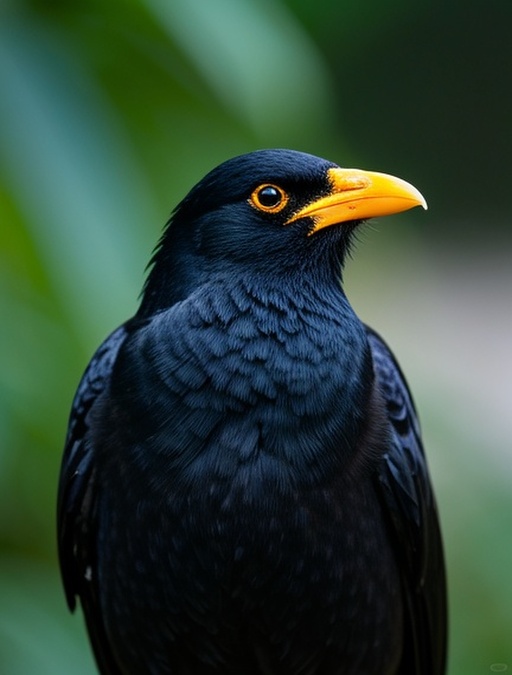
If you just brought home your first Common Hill Myna, hold off on jumping straight into training for the first 2 to 3 weeks, okay? These birds are super sensitive to new environments, and forcing interactions before they trust you will only make them scared and defensive. I’ve worked with dozens of hill myna owners over the years, and 90% of the “bad behavior” people complain about is just untrained cleverness, not the bird being “mean” or “difficult”. Spend this adjustment period just sitting near their cage, talking to them in a soft, calm voice, and offering small treats through the cage bars without trying to touch them. Save their absolute favorite treats (from my experience, most go crazy for ripe mango chunks, dried mealworms, or honey-dipped nutri-berries) exclusively for training, don’t hand these out randomly, or they won’t see the reward as special when you start training sessions.
The first basic skill every myna should learn is the “step up” command, it’s the foundation for all other training, and makes handling them way easier. Start with short 5 to 10 minute sessions, right after they wake up or before their main meal works best, because they’ll be more motivated by treats. If your bird is still skittish of your hand, use a small wooden perch first. Hold the perch or your index finger lightly against their lower belly, right above their legs, and say “step up” in a clear, consistent tone. The second they put one foot on your hand/perch, give them the treat immediately and praise them excitedly, even if they only stay for a second. If they bite you, don’t yank your hand away or yell, that just teaches them biting gets a fun reaction out of you. Freeze for 2 seconds, pull your hand back slowly, wait 30 seconds, then try again. No treat if they bite, obviously. Most mynas pick up this command in 3 to 5 days, don’t rush it, and keep sessions fun, don’t drag them out longer than 10 minutes or they’ll get bored and grumpy.
One of the most common complaints I get from myna owners is excessive, ear-splitting screaming. Let’s get one thing straight first: mynas are vocal birds, some chirping and calling throughout the day is totally normal, you can’t train them to be silent 24/7. But constant, non-stop screaming for attention is a learned behavior, and it’s almost always because the owner accidentally rewarded it. If you run over to your myna’s cage every time they scream to give them attention, food, or let them out, they learn really fast that screaming = getting what they want. The fix is pretty simple, but it takes consistency: when they scream for no obvious reason, ignore them completely. Don’t make eye contact, don’t say “no”, don’t even sigh, any reaction counts as attention to them. Wait until they’re quiet for at least 10 seconds, then walk over, give them a treat, and talk to them. Important note: first always rule out actual issues before you ignore them! If they’re screaming because they’re out of water, too hot, cold, or see a predator like a hawk outside the window, that’s not attention seeking, you need to fix that problem first.
Next up, the fun part: mimicry training! Common Hill Mynas are way better at mimicking human speech than most parrot species, a lot of them can pick up dozens of words and even short sentences if you train them right. The best time to do mimicry training is early morning or late afternoon, that’s when they’re naturally most vocal and alert. Start with super short, 1 to 2 syllable words first, like “hello”, “hi”, or “pretty bird”. Say the word clearly, in a slightly higher pitched voice than normal, they pick up higher tones easier. Repeat the word 5 to 10 times, then wait a few seconds. If they make any sound that even remotely resembles the word, give them a treat immediately and praise them. Don’t move on to longer words or sentences until they’ve mastered at least 5 to 10 basic words first. If your myna accidentally picks up a bad word you don’t want them saying, don’t react when they say it! No laughing, no yelling, no nothing. If the word doesn’t get a reaction, they’ll stop saying it after a week or two, if you react, they’ll say it nonstop to get a rise out of you, trust me I’ve seen this happen so many times.
Biting is another super common issue, but it’s almost never because the myna is “mean”. First, figure out why they’re biting, because the fix changes depending on the cause. If they bite when you stick your hand in their cage, that’s territorial behavior, their cage is their safe space, so don’t invade it unnecessarily. Let them come out to you on their own, use the step up command at the cage door instead of reaching in. If they bite when you’re petting them, that’s their way of saying they’ve had enough, respect their boundaries, stop petting them for a while. If they bite to get your attention, same rule as screaming: no reaction, put them back on their perch quietly, wait 30 seconds, then try interacting again. Never ever hit your myna, yell at them, or spray them with water as punishment. Birds don’t understand punishment the way dogs or cats do, all that does is make them scared of you, and you’ll break the trust you built with them, which makes training 10x harder.
Surprisingly enough, Common Hill Mynas are really easy to potty train, which saves you so much mess when you take them out of the cage to hang out. First, track their schedule for a day: most adult mynas poop every 15 to 20 minutes, so you’ll notice a pattern. Watch their body language too, they usually lift their tail a little or fidget right before they poop. Once you know their timing, hold them over their cage, a designated potty perch, or a small trash can right before they’re due to poop, and say “go potty” in a consistent tone. The second they poop, give them a treat and praise them like they just won an award. It usually takes 2 to 3 weeks for them to connect the command to the action, and once they get it, you won’t have to worry about them pooping on your shoulder, couch, or laptop anymore, it’s a total game changer.
Let’s go over the most common mistakes that make training way harder than it needs to be, okay? First, inconsistency. If you let your myna scream for attention and give in one day, then ignore them the next, they get confused, and the bad behavior will never go away. Make sure everyone in your house follows the same rules, no exceptions. Second, skipping daily social time. Mynas are extremely social birds, they need at least 1 to 2 hours of one-on-one time with you every day, even if it’s just them sitting on a perch next to you while you work or watch TV. If they’re left alone all day with no stimulation, they’ll develop bad behaviors like screaming, feather plucking, or biting no matter how much training you do. Third, using boring treats. If the reward you’re giving is just their regular seed mix, they won’t care enough to do the behavior you want. Test out different treats to find their absolute favorite, and only give that treat during training sessions, it makes a huge difference. And last, don’t get frustrated if your myna is a slow learner. Every bird is different, some pick up commands in a few days, some take a month or more, that’s totally normal. The bond you build while training is way more important than them being perfectly trained.
If you’re dealing with really serious behavior issues like constant feather plucking, unprovoked aggression, or screaming that doesn’t get better after a month of training, don’t be afraid to reach out to a certified avian behavior specialist. They can work with you one on one to figure out what’s causing the issue, and make a custom training plan for your specific myna. At the end of the day, training your Common Hill Myna should be fun, not a chore, take it slow, be patient, and you’ll have a well-behaved, loving feathered friend for years to come.