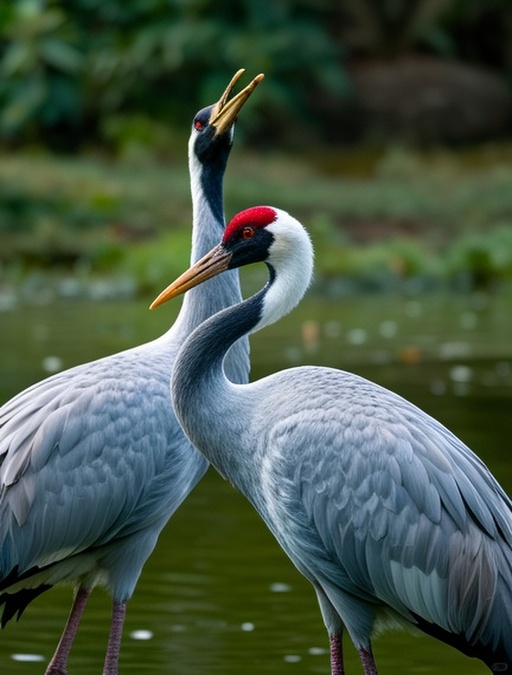
First off, let’s get one thing straight right out the gate – Sarus Cranes are a vulnerable, protected species almost everywhere they live, so you can NOT keep one as a random household pet. Only licensed wildlife sanctuaries, accredited zoos, and certified aviculturists with special state and federal permits are allowed to house these birds, so don’t even think about trying to get one for your backyard, okay? That said, if you’re either a wildlife nerd who wants to spot them in the wild, or a licensed keeper prepping to care for these beauties, you’re in the right place.
Let’s start with the fun basics first to get you hyped. Sarus Cranes are the tallest flying birds on Earth – adult males can hit almost 6 feet tall, that’s taller than a lot of human adults! They’ve got that signature pale gray feather coat, bright red bare skin on their head and upper neck that gets even brighter during breeding season, and their trumpeting call is so loud you can hear it from over a mile away. They’re also super loyal, usually mating for life, so if you spot a pair together, chances are they’re gonna stick around each other for 20 to 30 years, their average lifespan in the wild. Wild populations mostly live in India, Nepal, parts of Southeast Asia, and northern Australia, hanging out in wetlands, flooded rice fields, and marshy grasslands.
If you’re here for wildlife spotting tips, let’s dive in first. First, timing is everything. Sarus Cranes are most active early in the morning right after sunrise, and late afternoon before sunset, that’s when they’re out foraging for food and socializing, so you’ll have the highest chance of seeing them then. Don’t go during the hottest part of the day, they’ll be hiding in shaded marsh areas to cool off and you’ll probably miss them entirely. Next, you gotta dress the part. Wear dull, earth-toned clothes – no bright neon shirts or white jackets, you’ll scare them off way before you get a good look. Bring binoculars with at least 10x magnification, or a telephoto lens if you’re taking photos, because you should never get closer than 100 yards to a wild Sarus. Disturbing them can stress them out, make them abandon their nests if it’s breeding season, that’s a big no-no that can hurt their population numbers.
Pro spotting hack that most people don’t know: Ask local farmers or independent wetland guides in the area you’re visiting. Sarus Cranes often hang out in rice fields eating insects and leftover grain, so locals usually know exactly which spots they frequent week to week. Also, if you hear that super loud, rumbly trumpeting call? Stop moving, stay quiet, and look in the direction of the sound – they’re almost always close by when you hear that. Avoid bringing dogs with you on spotting trips, even leashed ones, Sarus Cranes see dogs as predators and will either run away immediately or get aggressive to protect their chicks if they have young nearby.
Now for the licensed aviculturist folks, let’s talk care 101 that you can follow to keep your Sarus Cranes happy and healthy. First, space is non-negotiable, no cutting corners here. These birds are huge, and they fly regularly in the wild, so you need a massive aviary – at least 2000 square feet per pair, with a ceiling height of at least 20 feet so they can stretch their wings and fly short distances without hitting the top. You also need a dedicated wet area, like a shallow pond that’s at least 1 foot deep and big enough for both birds to wade and bathe in at the same time, because they love being in water. If you don’t have a natural flowing water source, you’ll need to change the pond water every other day to keep it clean and prevent bacteria or parasite growth.
Their diet is pretty straightforward, but you gotta get it right to avoid health issues. Wild Sarus Cranes eat insects, aquatic plants, small fish, grain, seeds, and even small reptiles or frogs sometimes. In captivity, you can feed them a base of commercial crane feed (make sure it’s formulated for large wading birds, not regular chicken feed, that’s way too low in the protein and nutrients they need), supplemented with fresh leafy greens, chopped root veggies, mealworms, small minnows, and a little bit of cracked corn as an occasional treat. Don’t feed them bread or processed human food, that’s terrible for their digestive system and can make them really sick long term. You should also put out crushed oyster shell for them to peck at, that gives them extra calcium to keep their bones strong, especially during breeding season when females are laying eggs.
Health wise, Sarus Cranes are pretty hardy if you give them the right care, but there are a few common issues to watch out for. Bumblefoot, a painful bacterial infection on their feet, is a common issue if their enclosure has hard, rough ground like concrete, so make sure most of the ground is soft dirt, sand, or grass, with plenty of soft resting spots. They can also get internal parasitic infections from dirty pond water, so that’s why we emphasized changing the water regularly earlier. You should have an avian vet that specializes in large wading birds do a checkup on them at least once a year, even if they seem totally healthy, to catch any small issues before they turn into big expensive problems.
One last super important care tip most new keepers miss: Sarus Cranes are incredibly social, and they get seriously depressed if they’re kept alone. You always need to keep them in pairs or small compatible groups, never a single bird by itself. They also bond really strongly with their mates, so don’t ever separate a pair that’s been together for a while, that can cause them extreme stress, make them stop eating, even get severely ill from the emotional distress.
At the end of the day, whether you’re just trying to catch a glimpse of these amazing birds in the wild, or you’re lucky enough to be allowed to care for them in a licensed facility, Sarus Cranes are such a special, magical species. Just remember to always respect their space, follow all local protection rules, and do your part to help protect their wetland habitats so they can stick around for future generations to enjoy.