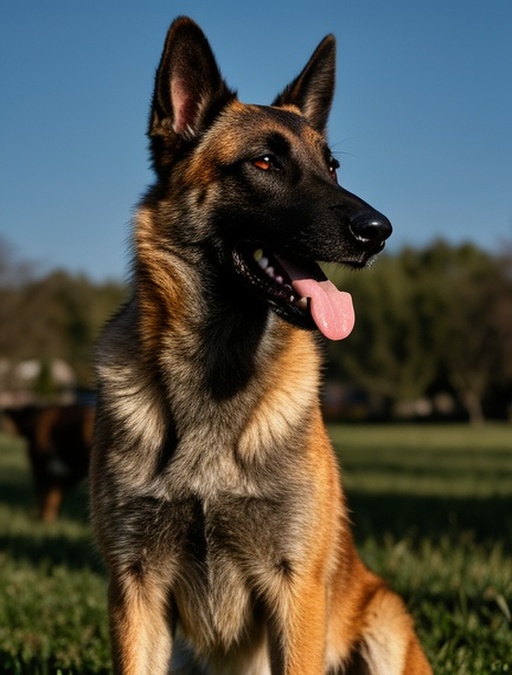
First off, let’s talk age-specific feeding, cause what works for a 3 month old Mal puppy definitely won’t work for a 8 year old senior. For puppies between 8 weeks and 6 months old, these little guys are growing lightning fast, so they need extra protein and calories to support their developing bones and muscles. Stick to high-quality large-breed puppy food, it has controlled calcium levels that lower the risk of hip and elbow dysplasia, which is super common in Belgian Malinois. Feed them 3 to 4 small meals a day, no free feeding! Leaving a full bowl out all day makes them eat too fast, which can trigger bloat, and also makes it way harder to track how much they’re eating. A 8 week old Mal will eat roughly 1.5 cups a day, and you can bump that up by half a cup each month as they grow, but always check their body condition first.
Once your Mal hits 6 months old up to 18 months, they’re still in their teen growth phase, so you can drop down to 2 meals a day, but keep them on puppy food till they’re at least 12 months old, 18 months if they’re on the larger side. Aim for food that has at least 25% protein and 15% fat, no cheap fillers like corn, wheat or soy, those are just empty calories that cause skin allergies and upset stomachs for a lot of Mals. If your pup is already doing agility training or herding practice at this age, you can add a small raw topper like freeze dried chicken or beef a few times a week to give them extra energy, just don’t overdo it.
For adult Mals between 18 months and 7 years old, their diet is 100% tied to how active they are. If your Mal is just a family pet that gets 1 to 2 hours of walk and playtime a day, regular high-quality adult kibble with 25-30% protein and 15-18% fat works perfectly, you’ll probably feed them 2 to 3 cups total a day split into two meals. But if your Mal is a working dog (police K9, herder, competitive agility or dock diving athlete) you need to step it up to performance kibble that has 30%+ protein and 20%+ fat, and they might need 4 to 6 cups a day, or even a high-calorie supplement if they’re working 8+ hours a day. The biggest mistake owners make here is feeding a working Mal the same amount as a couch potato Mal, which leads to weight loss, low energy, and even muscle loss over time.
When your Mal hits 7 years old, they’re considered a senior, and their metabolism slows down a lot, even if they’re still super active. Switch them to senior-specific kibble that’s lower in fat, higher in fiber, and has added glucosamine and chondroitin to support their joints, which tend to wear out faster in this active breed. If they have dental issues as they get older, you can soak their kibble in warm water or bone broth to make it softer, or switch to wet food for part of their meals. Keep an eye on their weight extra close at this age, senior Mals can gain weight super fast if you don’t cut back portions a little as their activity level drops.
Now let’s talk about the stuff you should never feed your Mal, no matter how much they beg with those big sad eyes. First, the obvious toxic stuff: chocolate, grapes, raisins, garlic, onions, xylitol (found in sugar free gum and candy), avocado, and cooked bones, those can splinter and tear up their digestive tract. Second, skip the cheap grocery store kibble that has fillers, artificial flavors, and preservatives, I’ve seen so many Mals end up with chronic ear infections, itchy skin, and loose stools just from eating low quality food. Third, never feed your Mal right before or right after intense exercise, that’s the number one trigger for bloat, a life-threatening condition that hits deep-chested breeds like Malinois super hard. Wait at least 1 hour after a hard workout to feed them, and wait 2 hours after they eat to do any running, jumping, or intense play.
Portion control is another huge part of feeding your Mal right. Don’t just guess how much to give them, weigh their food with a kitchen scale to make sure you’re not over or under feeding. To check if you’re feeding the right amount, you should be able to feel their ribs without pressing hard on their sides, and you should see a clear waist when you look down at them from above. If you can’t feel their ribs at all, and their belly looks rounded, cut back their portions by 10% and add a little extra exercise. If their ribs are sticking out and they look bony, bump up their portions by 10% and see if that helps. Treats should make up no more than 10% of their daily calories, stick to healthy options like carrot sticks, apple slices (remove the seeds first), freeze dried liver, or plain air popped popcorn, no buttery or salty snacks.
Finally, let’s cover common feeding issues and how to fix them fast. First, sensitive stomach: a lot of Mals have finicky digestive systems, so if they get loose stools often, try switching to a limited ingredient diet with a single protein source like salmon or lamb, no grains or extra additives. You can also add a tablespoon of plain unsweetened pumpkin or plain Greek yogurt to their meals to soothe their gut. Second, picky eating: some Mals turn their nose up at food if they get too many table scraps, so if your pup is being fussy, put their food down for 15 minutes, if they don’t eat it, pick it up and offer it again at the next meal. Don’t cave in and give them human food, they’ll learn really fast that eating their kibble is the only option. Third, if you’re thinking about switching to a raw diet, that’s totally fine, but make sure you work with a vet or canine nutritionist to balance it properly, don’t just feed them raw chicken every day, that leads to nutrient deficiencies over time. And if your Mal has any pre-existing health conditions like kidney issues or allergies, always follow your vet’s feeding recommendations over generic guides, every dog is a little different!