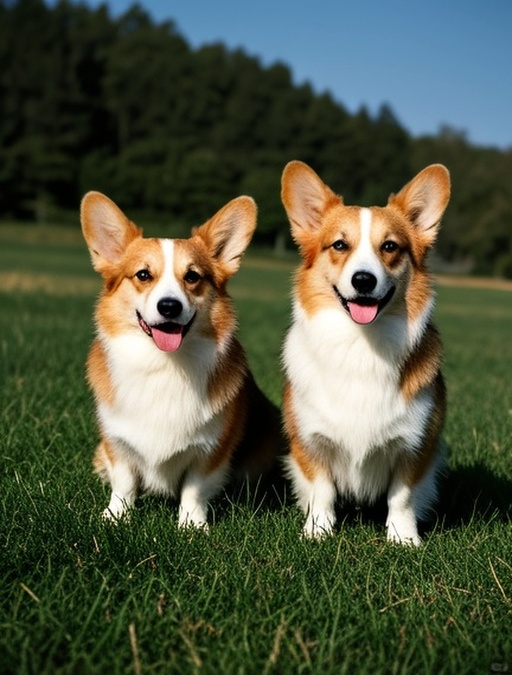
Let’s kick things off with their origin story, yeah? The Cardigan Welsh Corgi is one of the oldest herding breeds in the United Kingdom, with records dating back more than 3,000 years! They got their name from Cardiganshire, the rural Welsh county where they were first bred to help farmers herd cattle, guard property, and even hunt small pests. Local Welsh folklore even says corgis were sacred gifts from fairies and forest elves, and the white markings scattered across their coats are leftover marks from fairy harnesses and saddles? Super cute, right? Unlike the Pembroke Corgi which was brought to Wales by Flemish weavers around the 12th century, the Cardigan has been a staple of Welsh farm life for millennia, and that long working history shows in their tough, sturdy little builds and can-do attitude.
Now let’s talk looks, because that’s the easiest way to tell a Cardigan apart from a Pembroke at first glance. First off: they have a full, fluffy tail! Pembrokes are usually born with no tail or have their tails docked super short as pups, but Cardigans rock that long, bushy tail that wags a mile a minute when they’re excited to see you. They’re also a bit bigger and sturdier overall, standing 10 to 13 inches tall at the shoulder and weighing between 25 and 38 pounds, with females being a little smaller than males on average. Their ears are larger and more rounded at the tips, their muzzles are a bit longer and more tapered, and their coat colors are way more varied too! You can find Cardigans in brindle, blue merle, red, sable, and solid black, and almost all have white patches on their chest, paws, face, or neck. Those iconic short little legs? They’re from a genetic trait called chondrodysplasia, which is totally normal for the breed, it just means their leg bones stop growing earlier than other dog breeds, giving them that classic low-to-the-ground corgi shape.
What about their personality, you ask? Cardigans are such a fun mix of smart, loyal, and a little bit sassy. They were bred to work independently to herd stubborn cattle that were too big to push around, so they’re super clever and great at problem solving, but that also means they can get bored really easily if you don’t give them enough to do. They’re total people pleasers though, so training them is usually a breeze, especially if you use tasty treats and lots of positive reinforcement. Just keep in mind that their herding instinct is super strong, so young Cardigans might try to nip at your ankles or the heels of kids or other pets when they’re playing – it’s not aggression at all, they just think everyone needs to be herded into the right spot! Socialize them early with lots of different people, animals, and environments, and that nipping habit usually fades pretty fast. They’re great with kids and other pets if they’re raised with them, and they make excellent watchdogs too, they’ll bark to let you know someone’s at the door, but they’re not overly yappy for no reason. One thing to note: they can be a little reserved with strangers at first, but once they warm up to you, they’re total cuddle bugs that will follow you around the house all day.
Let’s get into the care stuff, because if you’re thinking of getting a Cardigan, you need to know what you’re signing up for. First up, grooming: they have a thick double coat that sheds A LOT. They blow their full undercoat twice a year, usually in spring and fall, and during those times you’ll find corgi fur on every surface of your house, no lie – on your clothes, your couch, your food, even in weird spots like your sock drawer. You need to brush them 2 to 3 times a week year round, and bump that up to daily brushing during shedding season to keep the fur under control. Bathing them only when they’re visibly dirty or smelly, over-bathing can strip their coat of the natural oils that keep it healthy and water-resistant. Then exercise: don’t let their short legs fool you, these are high energy working dogs! They need at least 45 minutes to an hour of exercise every day, that can be long walks, fetch sessions, hikes, even agility training – they love having a job to do, and agility plays right into their herding skills and quick thinking. Mental stimulation is just as important as physical exercise, give them puzzle toys, teach them new tricks, play hide and seek with treats, otherwise they’ll get bored and start chewing up your favorite shoes or digging holes in your yard. And a super important tip: don’t let them jump off high furniture like beds or couches too often, their long spine makes them more prone to back injuries, so you might want to get a small ramp for them to use if they like to snuggle on the couch with you.
Now for the health stuff, so you know what to watch out for as a Cardigan owner. Cardigans are generally pretty healthy dogs, with an average lifespan of 12 to 15 years, which is pretty long for a medium sized breed. But there are a few common health issues you should be aware of. The biggest one is intervertebral disc disease (IVDD), which is super common in long-backed dogs like corgis and dachshunds. That happens when the soft discs between their spine bones bulge or rupture, which can cause severe pain or even paralysis if it’s left untreated. Keeping them at a healthy weight and not letting them jump from high places or strain their back can cut down the risk of this a lot. Other common issues include hip dysplasia, degenerative myelopathy, progressive retinal atrophy (a genetic eye disease that can cause blindness later in life), and food or environmental allergies. If you’re buying a Cardigan from a breeder, make sure they show you official health clearances for both parents to make sure they’ve been tested for these genetic issues, that will lower the chance your pup develops these problems later on.
So is a Cardigan Welsh Corgi the right dog for you? If you want a loyal, smart, playful dog that’s small enough for apartment living but tough enough to keep up on long hikes, loves spending time with their family, and has a fun, sassy personality that keeps you laughing every day, then absolutely! They’re great for first time dog owners as long as you’re willing to put in the time to train them, exercise them, and deal with all that constant shedding. Just don’t forget to give them lots of cuddles and praise, and they’ll be your most loyal best friend for their whole life.