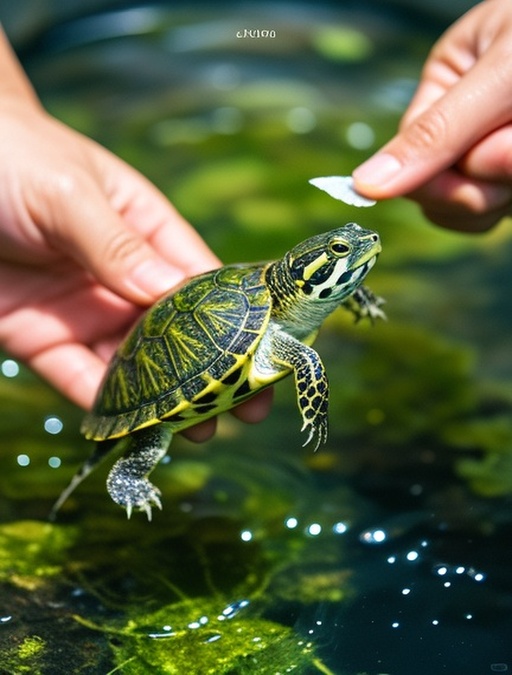
First off, let’s get your grooming kit together before you grab your turtle, okay? You don’t need to drop a ton of cash on special reptile grooming products, most of this stuff you probably already have in your bathroom or kitchen. First, you need a soft-bristled toothbrush—nothing with super hard bristles, an old kids’ toothbrush works perfect, just make sure it’s clean and never had toothpaste on it. Next, you’ll need a few gallons of dechlorinated warm water, around 75 to 80 degrees Fahrenheit, same as their tank water temperature so you don’t shock them. You’ll also need a pack of clean cotton swabs, the regular ones you use for your ears work fine. If you’re planning to trim their nails, grab a small pair of reptile-safe nail clippers, or even a small human nail clipper works for baby turtles. Have a little bottle of turtle-safe antiseptic on hand just in case of accidents, and a soft, clean towel to dry them off when you’re done. Oh, and a shallow plastic basin to do the grooming in, don’t do this in your kitchen sink or bathroom tub, turtles carry salmonella, so keep their grooming stuff separate from your human stuff, yeah?
First step in any turtle beauty routine is shell cleaning, obviously. The Chinese striped-neck turtle’s shell is their most noticeable feature, and it’s also the part that gets the dirtiest fastest. Algae, leftover food, and tank gunk build up in the tiny gaps between their scutes super easily, and if you leave that there long enough it can lead to shell rot, which is really painful for your turtle and hard to treat. Start by filling your shallow basin with the warm dechlorinated water, only fill it to just below their chin, so they can stick their head up and breathe easily without having to swim. Set your turtle in the water gently, and let them soak for 5 to 10 minutes first. This softens up all the hard gunk on their shell, so you don’t have to scrub hard later. Once they’re done soaking, pick up your soft toothbrush, and start scrubbing their top shell (that’s called the carapace) in gentle circular motions. Don’t press hard at all! Their shell has nerve endings under the hard outer layer, so pressing too hard can hurt them, just like if someone scratched your fingernail too hard. Pay extra attention to the little crevices between each scute, that’s where most of the dirt hides. Scrub the bottom shell (the plastron) the same way, be extra gentle around the edges where it meets their skin, that area is more sensitive. If you see any loose scutes peeling off, don’t pick them! That’s normal shedding, they’ll fall off on their own when they’re ready, pulling them off can leave raw exposed tissue that gets infected super easy.
Once their shell is all clean, it’s time to take care of their skin and that iconic striped neck they’re named after. Chinese striped-neck turtles have little folds of skin around their neck, legs, and tail where dead skin, food bits, and algae get trapped all the time. If you don’t clean those out regularly, that gunk can cause bacterial infections that make their skin swollen and sore. Grab a damp cotton swab (dip it in the warm dechlorinated water first, don’t use any soap! Soap is super toxic for turtles, even the mildest baby soap can make them really sick) and gently wipe the folds of their neck first. If they pull their head into their shell, don’t force it out! That stresses them out way too much. Just set them down for a minute, talk to them soft, maybe hold a little treat near their face, and they’ll come out when they feel safe. Wipe the areas around their eyes and mouth really carefully, don’t get water in their nose or eyes, that irritates them a lot. Next, wipe the folds under their arms and legs, and around their tail. If you see any little bits of dead skin peeling off, you can gently wipe those away, but don’t pull on any skin that’s still attached. This part only takes a minute or two, don’t drag it out if your turtle is getting fussy.
Now, let’s talk about nail trimming, okay? A lot of turtle parents skip this part, and that’s totally fine if their claws don’t get too long. But if your turtle lives in a tank with soft sand or smooth substrate, their claws don’t get worn down naturally, and they can get super long. You’ll know it’s time to trim if their claws catch on their basking mat, your clothes when you hold them, or if they’re scratching themselves when they walk. First, a super important warning: turtle nails have a “quick” inside, that’s the pink part you can see if you hold their nail up to the light. That quick has blood vessels and nerves, so if you cut that, it hurts them a lot and it will bleed. Only cut the clear, thin tip of the nail, far away from the pink part. If you can’t see the quick, don’t trim the nails! Just take them to a reptile vet to do it for you, it’s not worth risking hurting your turtle. If you do accidentally cut the quick by mistake, don’t panic. Dab a little of the turtle-safe antiseptic on the nail, and hold a clean cotton swab against it for a minute or two till the bleeding stops. Keep an eye on it for the next couple days to make sure it doesn’t get infected, and you’re good to go. If you’re nervous at all about trimming nails, just skip this step entirely, it’s not mandatory unless the nails are causing them discomfort.
Once you’re done with all the cleaning steps, you need to dry your turtle off completely before putting them back in their tank. A lot of people skip this part, and that’s one of the biggest mistakes you can make. If you put a wet turtle back into a cool tank, the moisture trapped against their shell can lead to shell rot really fast. Grab your soft clean towel, and pat them dry gently, don’t rub hard, that irritates their skin. Pay extra attention to drying the folds of their skin and the gaps between their scutes, those areas hold moisture the longest. Once they’re mostly dry, set them on their basking platform under their heat lamp for 15 to 20 minutes, so they can fully dry off and warm up. This is also a great time to give them a little treat as a reward for being good during their grooming session! They love small pieces of shrimp or lettuce, so give them something nice to make them associate grooming with good things.
How often should you groom your Chinese striped-neck turtle? That depends on how clean your tank is. If you have a good filter and you do regular water changes, once every 2 weeks is more than enough. If your tank gets a lot of algae growth, or if you have multiple turtles in the same tank, you can do it once a week. Don’t groom them more often than that though, over-grooming can strip the natural protective oils off their shell and skin, which leads to dryness and irritation. Grooming sessions are also a perfect time to do a quick health check on your turtle. Look for any weird discolored spots on their shell, swollen eyes, patches of red or irritated skin, or if they’re limping when they walk. If you notice any of these things, take them to a reptile vet as soon as possible, catching health issues early makes them way easier to treat.
Let’s go over the most common grooming mistakes you need to avoid, okay? First off, never ever use soap, shampoo, or any human grooming products on your turtle. Even the “all natural” stuff has chemicals that are toxic to turtles, they absorb things through their skin and shell, so even a little bit of soap can make them really sick. Second, don’t scrub too hard on their shell or skin, you can damage the outer layer of their shell which leaves them open to infections. Third, don’t force your turtle to stay still if they’re super stressed. If they’re squirming, hissing, or hiding in their shell the whole time, just stop and try again another day. Stressing them out too much can weaken their immune system, which makes them more likely to get sick. Fourth, don’t pick at shedding scutes or dead skin, I know it’s tempting, but that can cause real damage. And fifth, don’t forget to dry them off completely before putting them back in the tank, that’s the easiest way to prevent shell rot.
At the end of the day, grooming your Chinese striped-neck turtle is super easy once you get the hang of it. It only takes 15 or 20 minutes every couple weeks, and it’s a great way to bond with your pet too. After a good grooming session, their shell will be all shiny, their striped neck will be bright and vibrant, and they’ll be way more comfortable swimming and basking. If you’re a first time turtle parent, don’t stress if you mess up the first time, your turtle will forgive you, and you’ll get better with practice. Just remember to take it slow, be gentle, and put their comfort first, and you’ll both have a great time during your little beauty sessions.