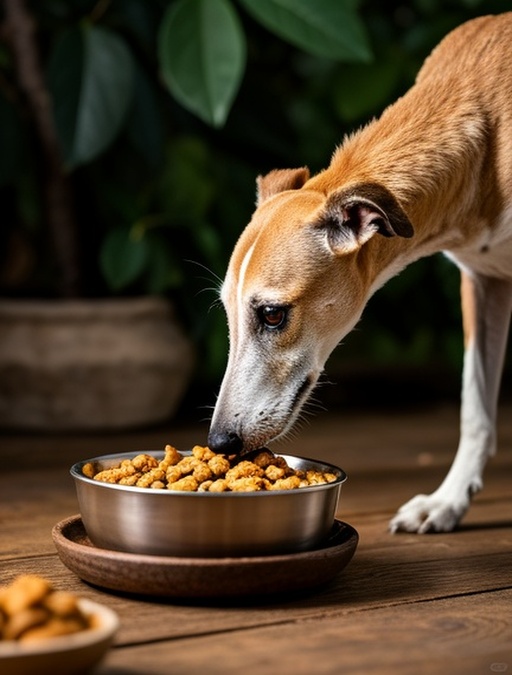
Alright, let's start with the basics. Italian Greyhounds, or Iggies as we fondly call them, are small sighthounds. That means they're built for bursts of incredible speed, not for lounging around all day (though they are masters of the couch potato art when they want to be!). This unique build comes with a unique set of nutritional needs. They have very little body fat, so they burn through calories like crazy, especially when they're doing their famous "zoomies" around the yard. But at the same time, their slender frames mean we gotta be careful not to let them get overweight – an extra pound on an IG is like an extra twenty on a bigger dog!
So, what's the magic formula? First off, quality is KEY. You wanna look for a high-quality commercial dog food that lists a real meat source – like chicken, lamb, or fish – as the first ingredient. None of that "meat by-product" mystery stuff. Iggies do best on foods that are rich in good-quality protein and fat to fuel their energy. A lot of owners swear by foods formulated for active or toy breeds. And here's a big one: grain-free isn't always necessary unless your vet says your dog has a specific allergy. Some Iggies do great with grains like brown rice or oats.
Now, let's talk portions. This is where most folks get tripped up. You can't just follow the bag guidelines blindly. Those are for an "average" dog, and there's nothing average about an Italian Greyhound! A typical adult IG might only need between 1/2 to 1 cup of dry food per day, split into two meals. But it depends! Is your IG a lazy lapdog or an agility champion? A young, hyper teenager or a serene senior? You gotta adjust. The best way to check? The rib test. You should be able to easily feel (but not see) their ribs. If you can't, cut back a little. If they're sticking out, add a bit more. It's a constant, gentle dance.
Puppies are a whole different ball game. Those little guys are growing machines and need to eat more frequently – like three to four times a day. Look for a puppy food specifically for small breeds. It'll have the right balance of nutrients to support their rapid bone growth without making them chunk up too fast. And please, go slow on the treats! I know it's hard with those begging eyes, but treats should only make up about 10% of their daily calories. Use small, low-calorie training treats or even bits of their regular kibble.
One of the biggest challenges with Iggies? Their famous sensitive stomachs. Oh boy, can they get gassy or have an upset tummy from the slightest change! To avoid this, be super consistent. If you need to switch foods, do it gradually over a week or more, mixing a little more of the new food in each day. Sudden changes are a recipe for disaster. Also, some Iggies are prone to low blood sugar (hypoglycemia), especially as puppies. Keeping them on a regular feeding schedule is crucial to prevent scary crashes.
As your IG gets older, their needs will change again. Senior dogs usually become less active, so they need fewer calories to avoid weight gain. But they might need more joint support. Look for foods with glucosamine and chondroitin, or ask your vet about supplements. Dental health is another biggie for seniors, so dental chews or a food that helps clean teeth can be a smart move. And always, always have fresh, clean water available. These guys can dehydrate quickly.
Finally, let's touch on human food. It's so tempting to share a bite of your sandwich, right? Well, be very careful. Many human foods are toxic to dogs (like chocolate, grapes, onions, and xylitol). Even safe foods like plain chicken or carrots should only be given in tiny amounts. Their primary nutrition should always come from a balanced dog food. When in doubt, don't give it out! Your vet is your best friend for any specific dietary questions or if you're considering a homemade diet.
Feeding your Italian Greyhound isn't rocket science, but it does require a bit of attention and love. It's about finding that perfect balance that keeps them sleek, energetic, and thriving. Watch their weight, mind their tummy, and choose good food. Do that, and you'll have a happy, healthy companion for many, many years to come. Now, who's ready for dinner?