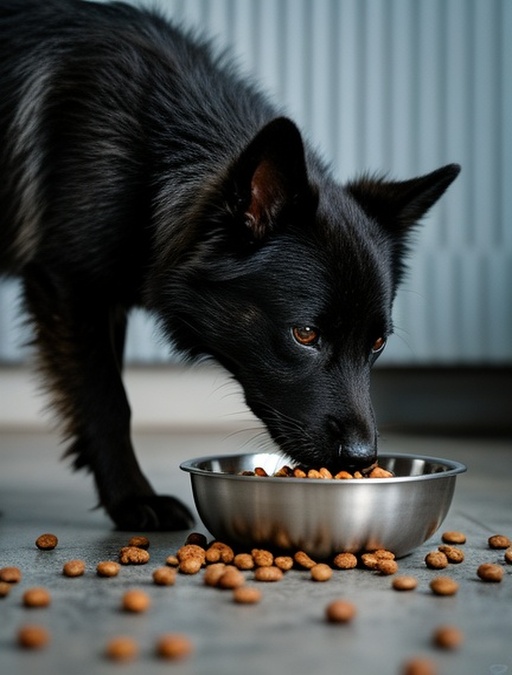
First things first, understanding your Schipperke's energy needs is key. These dogs were originally bred as barge watchdogs in Belgium, which means they're naturally active and alert. They might be small, usually weighing between 10 to 16 pounds, but they pack a punch when it comes to burning calories. If your Schipperke is super active—think long walks, play sessions, or agility training—they'll need more food than a couch potato pup. A good rule of thumb is to start with the feeding guidelines on your dog food bag, but always adjust based on your dog's individual activity level and metabolism. You don't want an overweight Schipperke; those extra pounds can put stress on their joints and lead to health issues down the road.
Now, let's talk about the type of food. High-quality commercial dog food is usually the way to go, but make sure it's formulated for small, active breeds. Look for a food that lists a real meat source (like chicken, beef, or fish) as the first ingredient. Avoid fillers like corn, wheat, or soy, which don't offer much nutritional value and can sometimes cause allergies or digestive upset. Some Schipperke owners swear by grain-free diets, but recent studies have linked some grain-free foods to heart issues in dogs, so it's best to consult your vet before making that switch. If you're considering a raw or homemade diet, be extra careful—it's tricky to get the balance of nutrients right, and there's a risk of bacterial contamination. Always chat with a vet or a pet nutritionist first to ensure your pup gets all the vitamins and minerals they need.
Feeding frequency is another biggie. Puppies need to eat more often—usually three to four times a day—because their tiny tummies can't hold much food at once. As your Schipperke grows into an adult (around one year old), you can switch to two meals a day. This helps prevent bloating and keeps their energy levels steady throughout the day. And don't forget about portion control! It's easy to overfeed these cute little guys, especially if they give you those puppy-dog eyes. Use a measuring cup to keep portions consistent, and avoid free-feeding (leaving food out all day), which can lead to weight gain. If you notice your Schipperke gaining or losing weight unexpectedly, it might be time to tweak their portions or check in with the vet.
What about treats and supplements? Sure, treats are great for training and bonding, but they should make up no more than 10% of your Schipperke's daily calorie intake. Opt for healthy options like small pieces of carrot, apple (no seeds!), or commercial treats made with natural ingredients. As for supplements, most Schipperkes don't need them if they're on a balanced diet, but some might benefit from fish oil for a shiny coat or glucosamine for joint health, especially as they get older. Again, your vet is your best resource here—they can recommend supplements based on your dog's specific needs. And always, always make sure fresh water is available 24/7. These active pups can get dehydrated quickly, especially after a fun play session.
Lastly, keep an eye out for any dietary issues. Schipperkes can be prone to food allergies or sensitivities, so if you notice symptoms like itching, ear infections, or digestive problems, it might be related to their diet. Common allergens include beef, dairy, wheat, and chicken. If you suspect an allergy, your vet might suggest an elimination diet to pinpoint the culprit. Also, as Schipperkes age, their nutritional needs change. Senior dogs often require fewer calories but more fiber and joint-supporting nutrients. Switching to a senior-formulated food around age seven or eight can help keep them spry and comfortable in their golden years. Remember, every Schipperke is unique, so what works for one might not work for another. Pay attention to your dog's cues—their energy, coat condition, and overall health are the best indicators of whether their diet is on point.