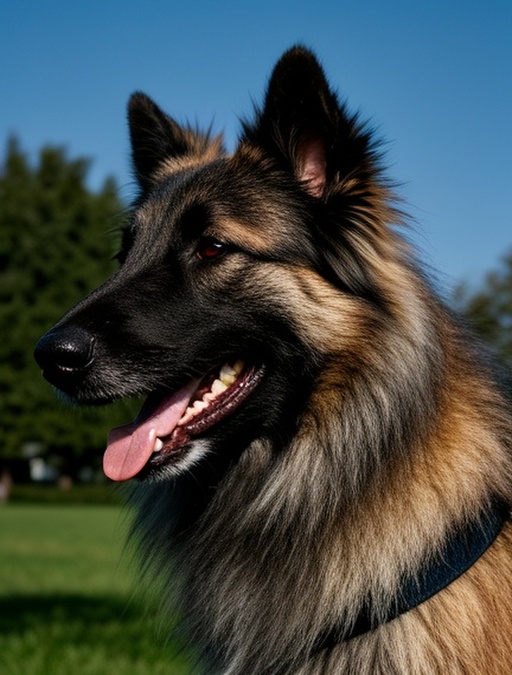
Alright, let's start with the basics. A Belgian Sheepdog, also known as a Groenendael (that's the fancy show-ring name for the long-haired black variety), is a herding breed through and through. They were bred to work, think, and move all day long. This isn't a couch potato dog. If you're picturing lazy Sundays in bed, you might want to reconsider. These dogs have energy for days and a brain that needs constant engagement. They're incredibly loyal and form deep bonds with their families, but that loyalty comes with a need for purpose. Without a job to do, they'll invent one – and you might not like their choice of 'job,' like rearranging your furniture or herding your kids!
Now, onto the official stuff – the regulations. This is where a lot of folks get tripped up. First thing's first: licensing. In pretty much every city and town, you're required to license your dog. It's usually a small annual fee, and it often requires proof of a current rabies vaccination. This isn't just bureaucracy; it's a safety net. If your clever Belgian Sheepdog ever figures out how to open the gate and takes himself for an adventure, that license tag on his collar is the fastest way for animal control or a good Samaritan to get him back home to you. Don't skip this step!
Next up: leash laws. Oh boy, this is a big one for active breeds. You might think, 'My Belgian is so well-trained, he doesn't need a leash in the park.' But guess what? The law doesn't care about your dog's perfect 'heel.' Most public areas have strict leash laws requiring your dog to be on a leash no longer than six feet. This is for everyone's safety – your dog's, other people's, and other animals'. Even if your dog is friendly, not everyone is comfortable around a large, fast-moving dog, and you never know what might spook him or what he might chase. Save the off-leash fun for securely fenced, designated dog parks or your own backyard.
Speaking of your backyard, let's talk containment. A Belgian Sheepdog can be a master escape artist. That intelligence means a simple latch won't cut it. Local ordinances often have specific requirements for fencing to prevent dogs from roaming. A six-foot tall, secure fence is pretty much the gold standard. Check your local codes – some places even regulate the type of fencing material. And please, never, ever chain or tether your Belgian Sheepdog as a primary means of containment. It's frustrating for them, can lead to aggression, and is actually illegal in a growing number of places due to animal welfare concerns.
Then there's the noise factor. Belgian Sheepdogs can be vocal. They bark to alert, to communicate, and sometimes just for fun. Most communities have nuisance barking ordinances. If your dog's barking disturbs the peace consistently, you could face fines. The key is training and management. Don't just yell at him to be quiet; teach him a 'quiet' command and make sure he's getting enough physical and mental exercise so he's not barking out of boredom.
One of the most crucial regulations revolves around poop. Yes, we have to go there. Scoop the poop! It's the law in virtually all public spaces and many private communities. Always carry bags with you. It's not just about being polite; it's a public health issue. Leaving it behind can spread parasites and pollute waterways. Being a responsible owner means cleaning up after your furry friend, every single time.
Finally, we have breed-specific legislation (BSL). This is a tricky and controversial topic. Thankfully, Belgian Sheepdogs are not commonly targeted by BSL, which often unfairly singles out breeds like Pit Bulls or Rottweilers. However, it's absolutely vital to check the specific laws in your county, city, and even your homeowners' association (HOA) rules. Some places have restrictions on dogs over a certain weight or dogs deemed 'working breeds.' An ounce of research here can prevent a heartbreaking situation later.
Beyond the written laws, there are the unwritten rules of being a good neighbor and a great owner. This means proper socialization from puppyhood so your Belgian is confident and polite around people, dogs, and strange sights and sounds. It means committing to lifelong training – these dogs thrive on it. It means providing not just one long walk, but real exercise: running, hiking, agility, obedience work, or advanced trick training. A tired Belgian Sheepdog is a happy (and well-behaved) Belgian Sheepdog.
So, is a Belgian Sheepdog the right dog for you? If you're an active person or family who understands and is ready to comply with all these ownership regulations, and you're excited by the challenge of channeling that brilliant energy into positive outlets, then yes, you might just have found your perfect match. They'll reward you with unwavering loyalty, hilarious antics, and a friendship like no other. Just remember, with great fluff comes great responsibility! Do your homework, follow the rules, and you'll be all set for an incredible journey with your brilliant Belgian companion.