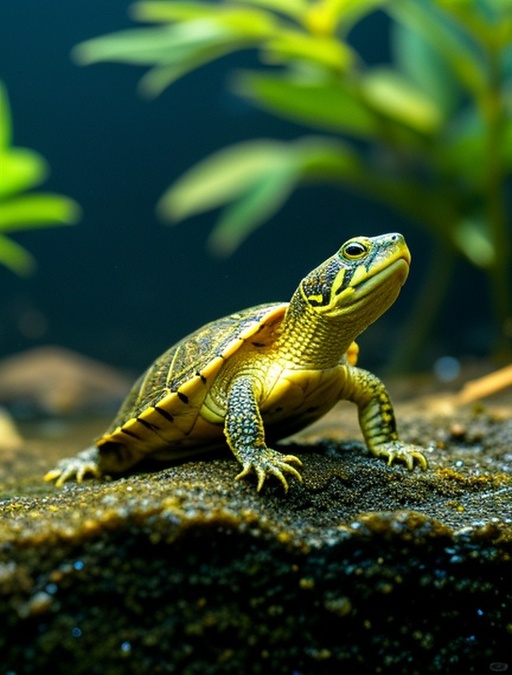
First things first, let's talk about who these turtles are. The Yellow Mud Turtle, scientifically known as *Kinosternon flavescens*, is a small, semi-aquatic turtle native to the central United States and parts of Mexico. They're usually a modest 4 to 5 inches long, with a smooth, domed shell that ranges from olive to, you guessed it, a muddy yellow color. Their faces often have cute little yellow markings, which is where they get their name. They're not the most active swimmers; they prefer to spend a lot of time buried in the soft mud or sand at the bottom of their water, which is a totally normal behavior, so don't panic if you don't see them for a while!
Now, setting up their home is crucial. You don't need a massive tank, but you do need the right setup. A 20 to 40-gallon aquarium is perfect for one adult turtle. The key is to have both water and land areas. They need enough water to fully submerge and swim a bit, but also a dry basking spot where they can completely get out of the water to warm up and dry their shells. For substrate on the land area, use something soft like coconut fiber or sphagnum moss. In the water, fine sand or smooth aquarium gravel is great because they love to dig and bury themselves. Don't forget a good, strong filter for the water! Mud turtles can be a bit messy eaters, so a filter is a must to keep the water clean and prevent health issues.
Lighting and heating are non-negotiable. You need two lights above the basking area: a UVB light and a heat lamp. The UVB light is essential for their shell and bone health—it helps them process calcium, just like sunshine does for us. The heat lamp should keep the basking spot around 85-90°F (29-32°C). The water temperature should be cooler, around 70-75°F (21-24°C). A submersible aquarium heater can help maintain this. Without proper heat and UVB, your turtle can get really sick, so don't skip on this part!
Alright, let's chat about food. Yellow Mud Turtles are omnivores, which means they eat both plants and meat. In the wild, they munch on insects, worms, small fish, and some aquatic plants. In captivity, you can feed them a varied diet. High-quality commercial turtle pellets should be the staple. But to keep things interesting and nutritious, offer them treats like earthworms, crickets, chopped-up fish (like tilapia), and even some leafy greens like romaine lettuce or dandelion greens. Feed adults every other day, and juveniles daily. Just be careful not to overfeed—obesity is a real problem for pet turtles!
One of the best things about Yellow Mud Turtles is their generally calm temperament. They're not known for being aggressive, but like any animal, they can get stressed. Always handle them gently and minimally. They're more of a 'look, don't touch too much' pet. They're also pretty shy, so provide plenty of hiding spots in their tank, like caves or PVC pipes, to make them feel secure. With patience, they might even learn to recognize you as the food-bringer and become less skittish over time.
Keeping your turtle healthy is all about prevention. Maintain clean water with weekly partial water changes and that good filter we talked about. Watch for signs of illness like a soft shell (could be metabolic bone disease from lack of UVB), swollen eyes (often a vitamin A deficiency), or lack of appetite. If you see anything off, don't wait—find a vet who specializes in reptiles. With proper care, these little guys can be your companion for 20, even 30 years or more! They're a long-term commitment, but a wonderfully rewarding one.
In conclusion, the Yellow Mud Turtle is a fantastic pet for someone who wants a unique, low-maintenance reptile that's full of personality. They don't demand constant attention, but they do require a specific and consistent care routine. If you're willing to set up the right habitat, provide proper lighting and diet, and commit to their long lifespan, you'll have a fascinating and serene little friend for decades. They might not fetch a ball, but watching them slowly explore their tank or peek out from the mud is its own special kind of joy. So, are you ready to welcome a little slice of the wetlands into your home?