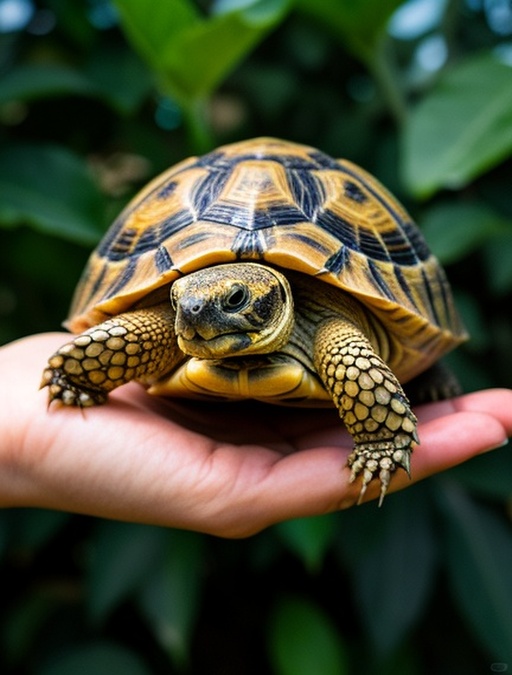
First things first, let's get our expectations straight. Training an Elongated Tortoise isn't like training a dog. They don't work for treats in the same eager way. Their world moves at a different pace, and their 'rewards' are all about feeling secure and comfortable. The goal of behavioral training is to build trust, reduce stress, and encourage natural, healthy behaviors in their enclosure. It's about communication, not commands.
The absolute foundation of all training is trust. Your tortoise needs to see you as a source of good things, not a giant predator. Start simple. Spend time near their enclosure without trying to touch them. Just read a book or work on your laptop nearby. Let them get used to your presence and your scent. When you do approach, move slowly and deliberately. Quick, jerky movements will just scare them back into their shells. Talk to them in a soft, calm voice. It sounds silly, but it helps them associate your voice with non-threatening situations.
Now, for the fun part: positive association. This is your main training tool. Every time you interact with your tortoise for a routine task, pair it with something they love. The biggest one? Feeding time! Try to be the one who delivers their favorite greens. Gently place the food in their dish while they're watching. Over time, they'll start to connect you with the arrival of yummy food. You might notice them becoming more active and approaching the front of the enclosure when they see you, especially around dinner time. That's a win!
Hand-feeding can be a great next step for a really confident tortoise, but be cautious. Use long, leafy greens like romaine lettuce or dandelion leaves. Let them take a bite from the end while you hold the other end. Never force your fingers near their mouth. If they seem nervous, go back to placing food in the dish. The key is to let them set the pace. Some tortoises will never enjoy hand-feeding, and that's perfectly okay. Respect their personality.
Target training is a cool, advanced technique for the more curious Elongateds. You'll need a small, brightly colored object like a ping pong ball on a stick or even a spoon with a bit of their favorite fruit (like strawberry) smeared on it. This is your 'target'. Slowly introduce the target near their head. When they show interest – maybe they sniff it or move towards it – immediately reward them by placing a favorite food item right in front of them. The idea is to teach them that touching or following the target means a reward is coming. This can be useful for guiding them during health checks or back into their enclosure after some floor time.
Speaking of floor time, this is a fantastic opportunity for behavioral enrichment and gentle training. Create a safe, supervised area for them to explore. You can place food items in different spots to encourage foraging behavior, which is natural for them. Watch how they navigate. You can gently block one path with your hand and see if they choose another. It's not about controlling them, but about engaging their brain. Always supervise closely to prevent escapes or them nibbling on something they shouldn't.
What about unwanted behaviors? The main one might be hiding all the time or being aggressive (hissing, retreating, rarely coming out). This is usually a sign of stress, not a 'bad' tortoise. Re-evaluate their environment. Is their enclosure large enough? Are the temperatures and humidity correct? Do they have plenty of hides and visual barriers? Often, 'fixing' the behavior means fixing their home first. Never punish a tortoise. It doesn't work and will only destroy the trust you've built.
Remember, patience is your most important tool. Progress with an Elongated Tortoise is measured in weeks and months, not days. Some days they'll be social and curious, other days they'll want to be left alone. That's normal. Celebrate the small victories: the first time they don't hide when you walk in the room, the first time they eat calmly while you're watching, the first time they voluntarily walk onto your hand (if they ever do!).
In the end, behavioral training your Elongated Tortoise is really about deepening your bond. It's about learning to speak their slow, quiet language. You're not creating a performer; you're building a relationship with a fascinating, ancient creature. By working with their instincts and rewarding their confidence, you're giving them the best life possible in your care. So take a deep breath, slow down to their speed, and enjoy every moment of this incredible journey together. You'll be amazed at the personality that emerges from that beautiful, elongated shell.