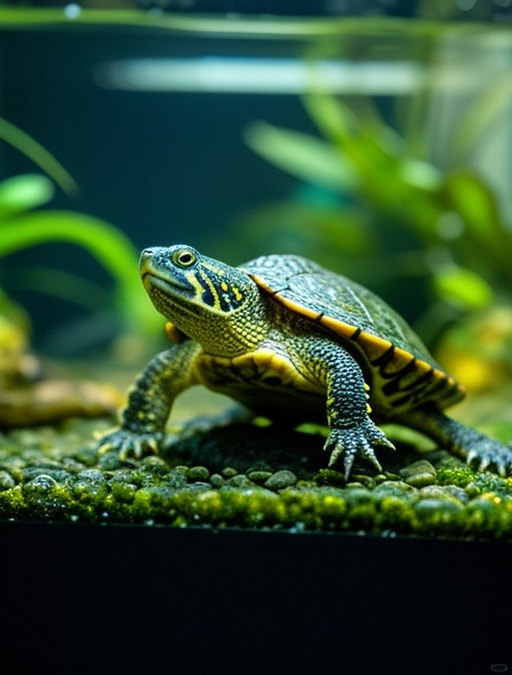
First off, let's talk about what makes the Razor-backed Musk Turtle so special. These turtles, scientifically known as Sternotherus carinatus, are native to the southeastern United States. They're called "razor-backed" because of their high, keeled carapace that looks like a sharp ridge running down their back. It's a pretty cool feature that sets them apart from other musk turtles. They're small, usually only growing to about 4-6 inches in length, which makes them ideal for smaller aquariums. Their coloration is usually brown or olive with some darker markings, and they have a pointed snout that gives them a curious expression.
When it comes to setting up a habitat for your Razor-backed Musk Turtle, you'll want to mimic their natural environment as much as possible. A 20-gallon tank is a good starting point for one adult turtle, but bigger is always better if you have the space. These turtles are semi-aquatic, so they need both water and land areas. For the water section, make sure it's deep enough for them to swim comfortably—about 6-8 inches is perfect. Use a good quality water filter to keep the water clean, as musk turtles can be messy eaters. For the land area, you can use a turtle dock or some smooth rocks that they can climb onto to bask. Don't forget a basking light! A UVB lamp is essential for their shell health and overall well-being. Keep the water temperature around 75-80°F and the basking area around 85-90°F.
Feeding your Razor-backed Musk Turtle is pretty straightforward. They're omnivores, which means they eat both plant and animal matter. In the wild, they munch on insects, small fish, snails, and some aquatic plants. In captivity, you can offer them a varied diet to keep them healthy and happy. Commercial turtle pellets are a good staple, but you should also supplement with live or frozen foods like bloodworms, brine shrimp, and small pieces of fish. Occasionally, you can give them some leafy greens like romaine lettuce or duckweed. Just be careful not to overfeed—these little guys can become overweight if you're not paying attention. A good rule of thumb is to feed them every other day, and only as much as they can eat in about 5-10 minutes.
Now, let's talk about their behavior and temperament. Razor-backed Musk Turtles are known for being a bit shy at first, but they can become quite personable once they get used to you. They're not the most social turtles, so it's best to keep them alone or with other musk turtles of similar size. They might squabble if they feel crowded. One thing to note is that they're not big baskers compared to other turtles. You might not see them on their dock very often, but that's normal—they prefer to spend most of their time in the water. They're also pretty good climbers, so make sure your tank has a secure lid to prevent any escape attempts! Oh, and they're called "musk" turtles for a reason: if they feel threatened, they can release a musky odor from their glands. It's not super strong, but it's something to be aware of.
Health-wise, Razor-backed Musk Turtles are generally hardy if you keep their environment clean and their diet balanced. Common issues include shell rot, which can happen if the water quality is poor, and respiratory infections if the temperature is too cold. Regular water changes—about 25% weekly—are crucial to prevent these problems. Also, keep an eye on their shell and skin for any signs of discoloration or sores. If you notice anything unusual, it's best to consult a vet who specializes in reptiles. With proper care, these turtles can live for 20 years or more, so they're a long-term commitment. But trust me, their quirky personalities make it all worth it!
In terms of breeding, Razor-backed Musk Turtles can be bred in captivity, but it's not something I'd recommend for beginners. They need specific conditions, like a cooler period to simulate winter, to trigger breeding behavior. If you're interested, do plenty of research first or talk to an experienced breeder. For most keepers, just enjoying one as a pet is rewarding enough. They're not super common in the pet trade compared to other turtles, so you might need to look for a reputable breeder or rescue to find one. Avoid wild-caught turtles if possible, as they can stress easily and bring in parasites.
To sum it up, the Razor-backed Musk Turtle is a fantastic pet for anyone who wants a low-maintenance, interesting reptile. They're small, easy to care for, and have loads of character. Just remember to provide them with a clean tank, a balanced diet, and a little patience as they settle in. If you do, you'll have a charming little companion for years to come. So, if you're ready to take the plunge, go ahead and give one of these razor-backed cuties a home—you won't regret it!