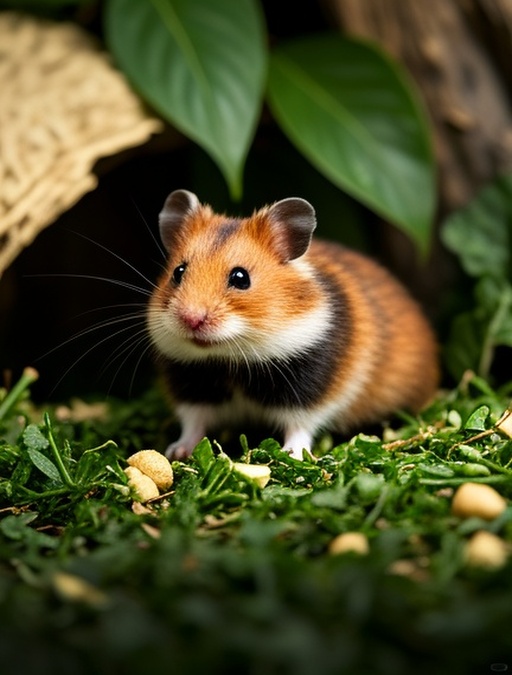
First things first, let's talk about their home sweet home. Chinese Hamsters are active little explorers, so a spacious cage is non-negotiable. I recommend a minimum of 450 square inches of floor space, but bigger is always better! Avoid those tiny, plastic critter trails—they can cause stress and even lead to health issues. Instead, opt for a large glass tank or a well-ventilated wire cage with a solid bottom. Line it with a thick layer of safe, dust-free bedding, like aspen shavings or paper-based products. And don't forget the hideouts! They love having cozy spots to retreat to, so throw in a small wooden house or even a cardboard tube. Oh, and a solid-surface exercise wheel is a must to keep their backs straight and prevent injuries—none of those wire wheels, please!
Now, onto the grub. A Chinese Hamster's diet is super important for their overall health. In the wild, they're omnivores, munching on seeds, grains, and the occasional insect. For your pet, a high-quality commercial hamster mix should be the base of their diet. Look for one with a variety of seeds, grains, and pellets. But don't just stop there! Fresh veggies are a great addition—think tiny bits of broccoli, carrot, or cucumber. Fruits like apple or banana can be given as rare treats, but go easy on the sugar. Always provide fresh, clean water in a drip bottle, and change it daily. And here's a pro tip: avoid sudden diet changes, as it can upset their tummy. Introduce new foods slowly, over a week or so.
Exercise and mental stimulation are key to preventing obesity and boredom. Besides that wheel, consider adding tunnels, climbing structures, and even a sand bath area (using chinchilla sand) for them to roll around in. Let them out for supervised playtime in a secure, hamster-proofed area daily. But watch out for drafts and other pets! Chinese Hamsters are curious but can get spooked easily. Also, keep an eye on their teeth—they grow continuously, so provide chew toys made of wood or safe minerals to help wear them down. Without proper chewing, overgrown teeth can lead to serious eating problems.
Health monitoring is where you really gotta pay attention. Chinese Hamsters are generally hardy, but they can hide illness well, a trait from their wild ancestors. Regularly check for signs like lethargy, loss of appetite, wet tail (diarrhea around the tail), lumps, or labored breathing. Their fur should be smooth and clean; if it looks ruffled or greasy, it might indicate stress or illness. Weigh them weekly with a small scale—sudden weight loss is a red flag. And about handling: be gentle and patient. Let them get used to your scent first by offering treats from your hand. Never grab them suddenly, as they can get scared and might even nip. Building trust takes time, but it's worth it for a stress-free pet.
Lastly, don't skip on vet care. Find an exotic pet vet who knows about small animals. Annual check-ups are a good idea, even if your hamster seems fine. They can help with nail trims if needed and advise on vaccinations or parasite control. Be prepared for common issues like respiratory infections or dental problems. And remember, prevention is better than cure: keep their cage clean, avoid stressful environments, and maintain a consistent routine. With love and proper care, your Chinese Hamster can live a happy, healthy life of 2 to 3 years, filling your days with joy and endless entertainment. So, roll up your sleeves and enjoy the journey with your tiny companion!