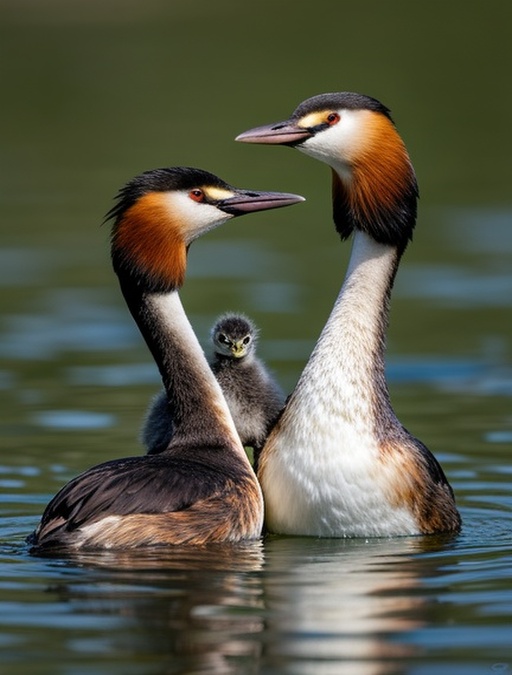
So, first things first, let's get one thing straight. We're not talking about training a grebe to fetch or sit on command. Grebes are wild, shy birds, and the best kind of 'behavioral training' is really about habitat management and patient observation. It's about making your local pond or lake so inviting that grebes feel comfortable enough to do their thing. Think of it as setting the stage for their natural play.
The most famous grebe behavior is their incredible courtship dance. It's like a synchronized water ballet! Pairs will face each other, rise up out of the water, and paddle furiously, sometimes even presenting each other with bits of pondweed. To encourage this, you need clean, healthy water with plenty of aquatic vegetation. Pollution or loud, constant human activity will scare them off. So, step one in 'grebe training' is being a good environmental steward. Keep the water clean and give them some space.
Another classic behavior is the 'grebe carry.' Ever seen a fluffy grebe chick riding on a parent's back? It's the cutest thing in the bird world! To see this, grebes need safe nesting sites. They build floating nests anchored to reeds. If you're lucky enough to have grebes nesting nearby, the best 'training' you can do is to avoid disturbing them. Use binoculars to watch from a distance. Getting too close might cause the parents to abandon the nest. Your quiet patience is the best tool here.
Grebes are also expert divers, using those lobed feet to propel themselves underwater after fish and insects. You can't train them to dive on cue, but you can create an environment that supports their diving. A pond with a healthy fish and insect population is key. This might mean working with local conservation groups to ensure the ecosystem is balanced. A well-fed grebe is a happy, active grebe more likely to show off its natural behaviors.
Now, about that 'training' word. With very, very patient and ethical wildlife rehabilitators, injured grebes might be 'trained' to accept food from humans or become accustomed to a temporary enclosure for healing. But this is highly specialized work and always with the goal of release. For most of us, our interaction is about passive training—training ourselves to be better, quieter, more observant guests in their world.
So, what's the takeaway? 'Training' grebes is really about training ourselves. It's about learning their schedules, understanding what plants they like for nesting, and knowing when to back off. It's a slow, rewarding process. The 'trick' you teach them is simply that your presence is not a threat. And the reward? Getting a front-row seat to one of nature's most delightful shows: the dancing, diving, chick-carrying life of the amazing grebe.