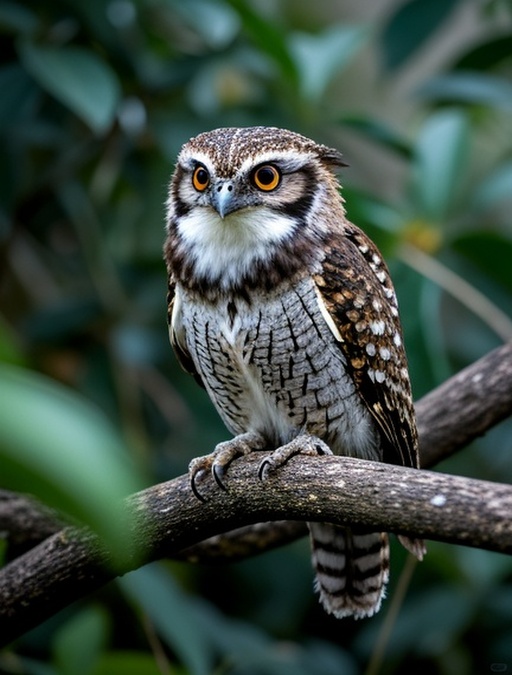
Alright, first things first: what even is a frogmouth? These birds belong to the nightjar family and are mostly found in Australia and Southeast Asia. They're famous for their incredible ability to sit perfectly still on a branch, looking just like a broken tree stump. It's their best defense against predators. They're nocturnal, which means they're night owls—err, night birds! They snack on insects, small rodents, and other critters they catch with that giant mouth of theirs. They're not parrots, they're not songbirds, they're in a league of their own.
Now, let's talk about the big question: can you even own one? The short answer is: it's super complicated and usually a big 'no' for most people. Frogmouths are wild animals, not domesticated pets like dogs or cats. In many countries, especially where they are native like Australia, they are protected by strict wildlife laws. You usually can't just go out and catch one or buy one from a random seller. That's often illegal and can get you into serious trouble with hefty fines. You need special permits, and those are only given to licensed wildlife rehabilitators, zoos, or sometimes experienced educators for conservation purposes.
If, by some rare chance, you are in a situation where ownership is legally possible (like rescuing an injured bird that can't be released), the regulations are no joke. You'll likely need a permit from your state or national wildlife agency. This involves inspections of your facilities, proving you have the right knowledge, and showing you can provide proper care. They check everything! Your aviary needs to be secure, spacious, and mimic their natural habitat. Paperwork is a constant part of life, and officials can drop by for surprise checks. It's a full-time commitment to compliance.
Okay, say you jump through all the legal hoops. The care itself is another massive mountain to climb. These are not cuddly companions. They have very specific needs. Their diet is tricky—they need whole prey like mice and insects, which isn't for the squeamish. Preparing their food takes work and knowledge about nutrition. They need a huge, tall aviary with lots of branches for perching and hiding. They're sensitive to stress and don't like being handled. Finding a vet who knows anything about frogmouths? Good luck! You might have to travel hours to see a specialist avian vet, and bills can be astronomical.
Let's be real, the ethics are huge here. Is it fair to keep a wild, camouflaged, nocturnal bird in captivity? Their entire existence is about blending into the forest. In a home, even a nice one, they can't do what comes naturally. They might get stressed, bored, or develop health problems. Many animal welfare experts argue that these birds belong in the wild. Supporting conservation efforts or volunteering at a wildlife sanctuary where you can help care for them (under supervision) is often a much better and more rewarding way to appreciate these amazing creatures.
So, what's the bottom line? Dreaming of a pet frogmouth is understandable—they're fascinating. But the reality is a maze of strict laws, extreme care requirements, and big ethical questions. For the vast, vast majority of us, the best way to love frogmouths is to admire them in documentaries, support wildlife protection groups, or visit them at accredited zoos and sanctuaries. If you're truly passionate, channel that energy into learning about them and helping protect their natural homes. That's the kind of ownership that really counts—being a guardian of their wild future, not a keeper in your backyard.