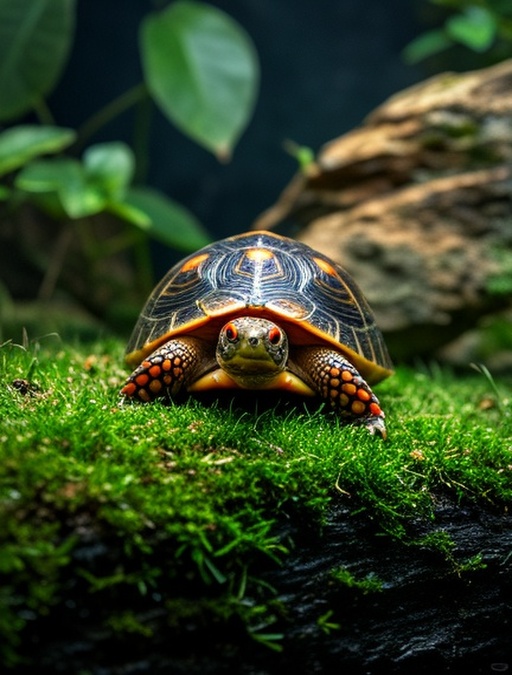
First things first, let's talk about where these beauties come from. The Cherry Head Red-footed Tortoise is actually a specific morph or variation of the Red-footed Tortoise (scientific name: Chelonoidis carbonaria). They're native to parts of Brazil, particularly the Atlantic coastal forests. What sets the 'Cherry Head' apart is its stunning head coloration. While regular Red-foots have more muted, yellowish or orange heads, the Cherry Heads live up to their name with bright red, pink, or even cherry-colored scales on their heads and limbs. It's like they're always blushing!
Now, you might be wondering about their size and how much space they need. Cherry Head Red-foots are considered a medium-sized tortoise. As adults, they typically reach about 10 to 14 inches in shell length. Females are usually a bit larger than males. They're not as huge as a Sulcata, but they're definitely not a tiny species you can keep in a small tank forever. They need room to roam! A good starting point for an adult is an enclosure at least 4 feet by 8 feet, but bigger is always better. They love to explore, dig, and bask.
Setting up the perfect home is super important. These tortoises come from humid forests, so they need a warm and moist environment. Your setup should have a temperature gradient. That means a basking spot under a heat lamp that gets up to about 90-95°F (32-35°C), and a cooler area around 75-80°F (24-27°C). Nighttime temps shouldn't drop below 70°F (21°C). Humidity is key! Aim for 60-80% humidity. You can achieve this with a large water dish for soaking, regular misting, and using moisture-retaining substrates like cypress mulch or coconut coir. Don't forget UVB lighting! They need it to process calcium and stay healthy, just like in the wild.
Alright, let's chat about the fun part: their diet! Cherry Head Red-foots are omnivores, which means they eat both plants and animal protein. This makes feeding them really interesting. Their diet should be mostly leafy greens—think dandelion greens, endive, escarole, and spring mix. They also go crazy for fruits! Papaya, mango, figs, and berries are like candy to them. But here's the cool part: they also need some animal protein. You can offer them low-fat dog food (yes, really!), cooked chicken, or specially made tortoise pellets a couple times a month. Variety is the spice of life for these guys. Oh, and always provide a cuttlebone for extra calcium.
Personality-wise, these tortoises are often described as curious and active. They're not as shy as some other species. Once they get used to you, they might even come to the front of their enclosure when they see you, hoping for a treat. They can recognize their owners! They're generally peaceful and can sometimes be kept in pairs or small groups, but you gotta watch for bullying, especially between males. Always have a backup plan in case they don't get along.
Thinking about getting one? There's some stuff you really need to consider. First, they live a long, long time. We're talking 50 years or more with proper care. This is a lifelong commitment, not just a pet for a few years. Second, find a reputable breeder. Avoid wild-caught tortoises, as they often have parasites and stress-related issues. Captive-bred babies are healthier and better adjusted. Be prepared for the costs: the initial setup for heating, lighting, and enclosure can be a few hundred dollars, plus ongoing costs for food and vet care. Speaking of vets, find an exotic animal vet before you even bring your tortoise home.
Caring for a Cherry Head is a journey. As hatchlings, they are incredibly cute but also very delicate. They need near-perfect humidity and temperatures. As they grow into 'teenagers' and adults, their dietary needs shift slightly, requiring more fiber. Common health issues to watch out for include respiratory infections (if it's too cold or dry), metabolic bone disease (from lack of UVB or calcium), and shell rot (from a dirty, damp environment). A clean home, proper diet, and right temps will prevent most problems.
In the end, the Cherry Head Red-footed Tortoise is a fantastic pet for the right person. They're colorful, have great personalities, and their care, while specific, is very manageable once you get the hang of it. They reward dedicated keepers with decades of companionship. If you're ready for a long-term friend who's a little slow but full of character, the Cherry Head might just steal your heart. Just remember, do your research, set up everything before you bring one home, and get ready for an amazing adventure in reptile keeping!