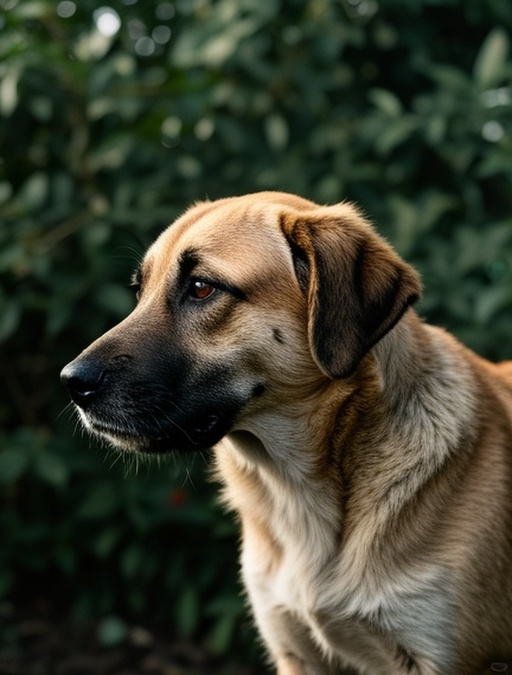
First things first, you gotta understand where your Anatolian is coming from. These dogs weren't bred to fetch balls or cuddle all day. They were bred to think for themselves, guarding flocks against wolves and bears with zero human supervision. That means they're incredibly independent. They don't blindly obey; they assess situations. So, when you call them and they pause to look around first, they're not being disobedient—they're doing their job! The key to training is working with this instinct, not against it. Forget harsh punishments or yelling; that'll just make them dig their heels in. Instead, focus on being a calm, confident leader they choose to follow.
Start training early, like, puppy-early. Socialization is the absolute most important thing for an Anatolian Shepherd. Between 8 and 16 weeks, expose them to everything: different people (kids, men with hats, folks in uniforms), other friendly dogs, cats, loud noises, cars, you name it. The goal is to show them the world is safe, so their protective instincts don't kick in at the wrong times. A poorly socialized Anatolian can become overly suspicious or aggressive. Make every new experience positive with lots of treats and praise. Remember, you're not trying to make them a social butterfly—you're teaching them what's normal and not a threat.
Now, let's talk about the core of their behavior: guarding. This isn't something you train; it's in their DNA. Your job is to manage and channel it. Teach a solid 'watch me' or 'leave it' command from day one. Use high-value treats like chicken or cheese to get their focus on YOU when they start fixating on something. Boundary training is also huge. Teach them where their property ends. Use leashes and long lines to practice at the edge of your yard, rewarding them for staying calm and looking at you when people or dogs pass by. You're teaching them that you've got the situation under control, so they can stand down.
Obedience training with an Anatolian is all about motivation. They won't work for just a 'good boy.' Find what drives them. For some, it's food. For others, it might be a favorite toy or even just verbal praise. Keep sessions short, fun, and full of wins. Teach the basics: come, sit, down, and stay. 'Come' is critical, but it's also tough because of their independent nature. Never call them to come for something negative (like a bath or nail trim). Always make coming to you the best thing ever—treat party! And be patient. They might learn a command in a few tries, but consistency over months is what makes it stick.
Dealing with problem behaviors requires understanding the 'why.' Barking? That's their alarm system. Instead of just yelling 'quiet,' acknowledge the alert ('Thank you, I see it'), then give a command to redirect them ('Come here' or 'Go to your place'). Digging? They might be making a cool spot to lie in or just bored. Provide a designated digging pit or much more exercise. Stubbornness? That's often them questioning your request. Go back to basics, rebuild the communication with high-value rewards, and never get into a physical struggle. You won't win, and you'll break trust.
Finally, remember that an Anatolian Shepherd is a lifetime commitment to training. It doesn't end after puppy class. Their behavior evolves as they mature (they hit adolescence around 1-3 years, and it's a doozy!). Continue reinforcing rules, providing mental stimulation through puzzle toys or scent games, and giving them a real job if you can, like watching over your backyard or joining you on hikes. A bored Anatolian is a destructive Anatolian. With patience, consistency, and a ton of respect for who they are, you'll end up with a loyal, confident, and well-mannered guardian who's not just a pet, but a true partner. You got this!