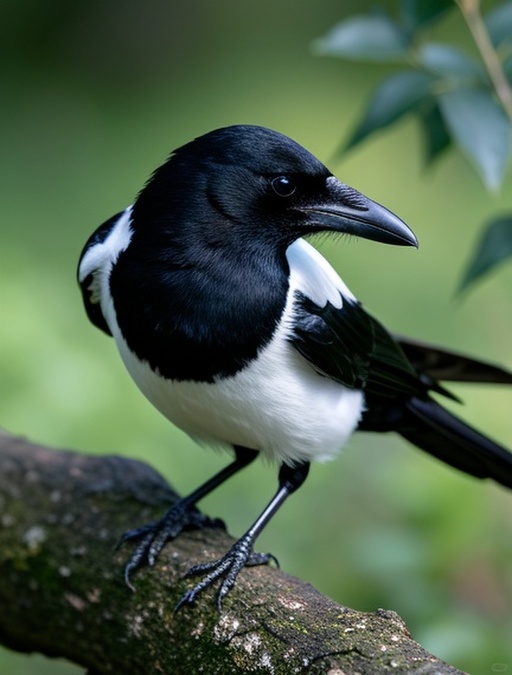
Alright, let's start with the basics. What exactly *is* a magpie? Most people think of the black-and-white ones, like the Eurasian Magpie. They're corvids, part of the crow family, which is basically the brainiac squad of the bird world. They're famous for their intelligence, their loud chattering calls, and, yes, that old myth about stealing shiny things (which is kinda true, but more on that later). They're not your typical caged pet; in most places, it's actually illegal to keep native magpies as pets. So, the magpies we're talking about for companionship are often hand-raised rescues that can't be released back into the wild, or in some regions, specific species that are legal to keep with proper permits. This is rule number one: *always, always check your local wildlife laws first.* Getting a magpie isn't a casual decision.
Now, let's talk personality. If you want a quiet, decorative pet, look elsewhere. A magpie is a companion. They form incredibly strong bonds with their human caregivers, often seeing them as part of their flock. This means they can be super affectionate, following you around the house, "talking" to you, and even trying to preen your hair. But that bond comes with a big side of neediness. They get bored easily and can become destructive or loud if they're not mentally stimulated. We're talking puzzle toys, training sessions, and lots of interaction every single day. They're also curious about everything, so you gotta magpie-proof your home like you would for a toddler. Loose wires, small objects, toxic plants? All big no-nos.
What do you feed a magpie? This is where a lot of folks go wrong. You can't just give them bird seed from a bag. In the wild, they're omnivores, eating insects, small animals, fruits, and grains. A captive magpie needs a varied diet. We're talking high-quality dog or cat kibble (soaked in water) as a base, plenty of insects like mealworms and crickets, chopped-up hard-boiled eggs, small pieces of lean meat, and fresh fruits and veggies. Variety is key to keeping them healthy. And fresh water, always! Oh, and remember that shiny thing myth? They are attracted to bright objects, so don't leave your jewelry lying around. It might just end up in their secret stash!
Housing a magpie is another big consideration. They need space. A big, walk-in aviary is ideal, especially if they spend part of the day outdoors. But indoors, they need a safe room or a very large, sturdy cage when you can't supervise them. They are powerful birds and can break out of flimsy cages. Perches of different sizes and textures are important for their foot health. And toys! So many toys! Rotate them regularly to fight boredom. Think foraging toys where they have to work for treats, puzzle boxes, and even old baby toys they can safely dismantle. A bored magpie is a recipe for trouble.
Let's chat about the challenges, because you gotta go in with your eyes open. Noise. Magpies are loud. They have a huge repertoire of calls, from melodic warbles to harsh, grating alarms. They might mimic your phone ringtone or the microwave beep. Your neighbors might not appreciate the concert. They can also be territorial and may not get along with other pets. Their intelligence means they can get into everything, and their powerful beaks can do some damage. They also live a long time—up to 20 years or more in captivity. This is a decades-long commitment to a very demanding, if rewarding, friend.
So, is a magpie the right pet for you? If you're home a lot, have a flexible lifestyle, enjoy training and interacting with an animal, have the space and resources, and your local laws allow it... maybe. They are not for beginners. But for the right person, the rewards are immense. The bond you form is unique. Watching them solve a problem, hearing them "talk" back to you, and seeing their playful, inquisitive nature every day is truly special. It's like having a tiny, feathered genius as a roommate. Just be prepared for the mess, the noise, and the constant need for engagement. If you're up for the adventure, a magpie can be an unforgettable companion.