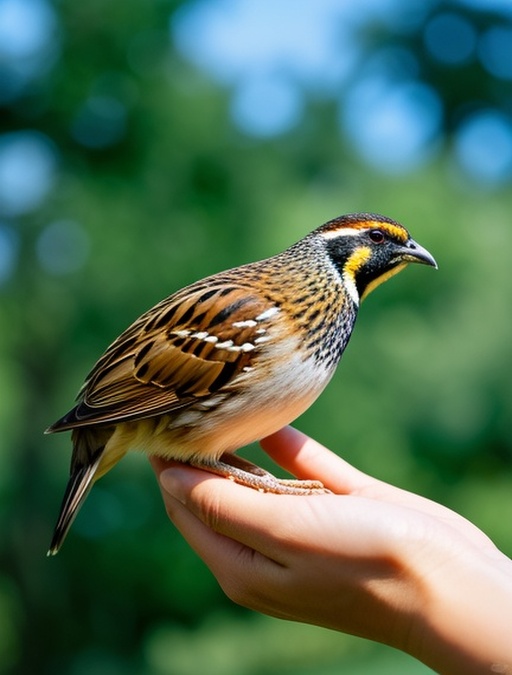
Alright, let's get one thing straight from the start. Quails are prey animals. That means their little brains are wired for one thing: survival. They're naturally skittish, and their first instinct is to run or freeze when they're unsure. So, the absolute golden rule of quail training is patience, patience, and more patience. You're not the boss here; you're a gentle, predictable giant who brings tasty treats. Rushing them or forcing interaction will only set you back. Think of it as building a friendship with a very shy, very small person who happens to love seeds.
The very first step, even before any 'training' begins, is just getting them used to you. Spend time near their enclosure every day, talking softly to them. Don't make sudden movements. Just read a book, scroll on your phone, sip your coffee. Let them observe you and realize you're not a threat. This is called habituation, and it's the foundation for everything else. You might feel silly just sitting there, but trust me, those little beady eyes are watching and learning that your presence means safety.
Now, for the magic tool: food! Quails are motivated by one thing above all else – their stomachs. Find their absolute favorite treat. For most quails, this is live mealworms, small bits of hard-boiled egg, or special seed mixes. This treat should ONLY come from you during training sessions. The moment you have that treat in hand, you become the most interesting thing in their world. Start by simply offering a treat through the wire of their pen. Let them come to you. It might take days of just holding it there before they dare take a nibble. Celebrate that nibble like you just won the lottery!
Once they're comfortably taking treats from your hand through the wire, you can start working inside the enclosure. Move slowly. Sit or crouch down to seem less intimidating. Hold out your treat-filled hand and be a statue. Let them approach on their terms. The goal here is called 'target training.' You can use a chopstick or a brightly colored stick as a target. Gently touch the target to their beak while saying a cue word like 'touch' and immediately give a treat. They'll quickly learn that touching the target equals yummy reward. This is a huge deal! You can now use this to guide them gently, ask them to move to a certain spot, or even step onto your hand.
Speaking of hands, teaching your quail to be hand-tame is a game-changer. After some successful target training, place your flat, steady hand palm-up in their space with a treat on it. Use the target stick to guide them onto your hand if needed. The moment they step on, give the treat and lots of soft praise. Do this for very short sessions, just a few minutes at a time. Eventually, you can slowly lift your hand an inch off the ground while they're on it. This builds huge trust. Remember, never grab them from above – that's what predators do. Always invite them onto you.
Quails also have some behaviors you might want to gently discourage, like excessive feather pecking in flocks. The key here is environmental enrichment, not punishment. Bored quails pick on each other. Provide piles of hay to forage in, hang heads of lettuce for them to peck, scatter their food so they have to search for it. A busy quail is a happy quail. If one is being a bully, sometimes a temporary time-out in a separate but visible area can help reset the pecking order. But mostly, focus on giving them a fun, complex environment.
One of the coolest things you can train is a recall of sorts. It's not a perfect recall like a dog, but you can train them to come to a specific sound. Every single time you feed them their main meal, make a distinct sound – a specific whistle, a click, or even calling 'quail-quail-quail!' They will powerfully associate that sound with food. Later, if they are free-ranging in a safe, enclosed garden, you can use that sound to call them back to their coop for bedtime. It's super practical and makes you feel like a quail whisperer!
Finally, let's talk about what NOT to do. Never chase your quail. Never yell or make loud noises near them. Training should always end on a positive note. If you're getting frustrated, stop the session. It's supposed to be fun for both of you! Also, understand their limits. Some quails will never be super cuddly lap birds, and that's okay. Respect their personality. A quail that is calm, doesn't panic when you're near, and takes treats from you is a brilliantly trained quail. You've given it the confidence to live without constant fear, and that's the greatest gift you can give any prey animal.