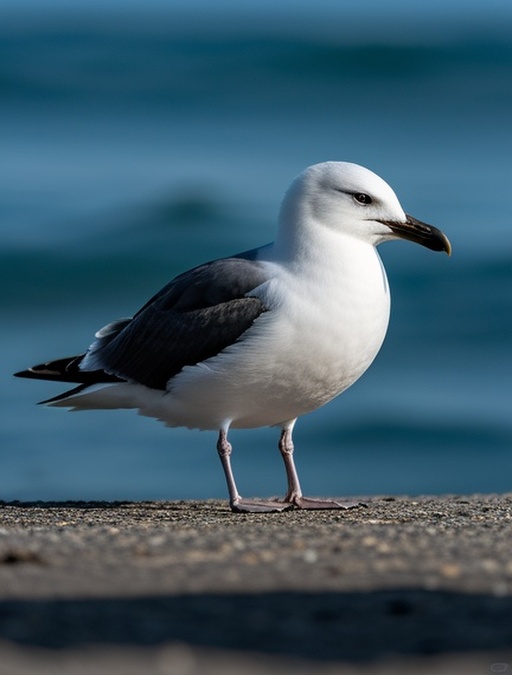
First off, let's get real about the most crucial point: in almost all places, it's flat-out illegal to keep a wild shearwater as a pet. I know, I know, it's a bummer. But these birds are protected by a bunch of international and national laws. Think treaties like the Migratory Bird Treaty Act in the US and similar laws in other countries. They're considered migratory wildlife, not domestic animals. So, that cute fledgling you found on the beach? Touching it or taking it home could land you with hefty fines or even jail time. It's not worth it, folks. Their place is soaring over the open ocean, not in a cage in your living room.
Now, you might be thinking, "What about rescued birds?" Good question! Sometimes, shearwaters get injured – maybe from fishing lines, plastic pollution, or storms. Licensed wildlife rehabilitators are the only ones legally allowed to care for them. These amazing folks have special permits and training to nurse birds back to health with the ultimate goal of releasing them back into the wild. If you find an injured shearwater, the best and only thing you should do is immediately contact a local wildlife rescue center. Don't try to be a hero and care for it yourself; you could accidentally do more harm than good, and again, it's against the law.
Alright, so private ownership for fun is a no-go. But are there *any* exceptions? Well, in very rare cases, certain accredited zoos, aquariums, or scientific research institutions might have permits to keep shearwaters for education, conservation breeding programs, or study. These facilities have to meet super strict standards for housing, diet, and veterinary care that mimic the bird's natural needs as closely as possible. It's a huge commitment and not something a regular person can or should try to replicate at home. Their diet alone is super specialized – mostly fish and squid – and getting it wrong can make them really sick.
Let's talk ethics, too, which is just as important as the law. Shearwaters are built for incredible journeys, some flying thousands of miles across oceans. They have complex social behaviors and navigation skills we're still trying to understand. Confining such a creature to an aviary, no matter how big, often leads to stress, feather plucking, and a poor quality of life. It's just not fair to them. Loving these birds means respecting their freedom and their role in the ocean's ecosystem.
So, what can you do if you're shearwater-crazy? Channel that passion into helping them! You can support conservation groups that protect their nesting islands from predators and plastic pollution. You can be a responsible beachgoer, keeping your distance from nesting colonies and keeping the shores clean. You can even volunteer with bird-watching or citizen science projects that track their populations. That way, you get to admire them in their true glory, contributing to their survival instead of taking one away from the wild. It's a win-win!
In the end, the regulations around shearwater ownership are there for a rock-solid reason: to protect these amazing birds. They remind us that some wonders of nature are meant to be cherished from afar, not possessed. By understanding and following these rules, we become true stewards of the natural world. So, keep your binoculars handy, support the good guys doing conservation work, and let's make sure shearwaters keep gliding over our oceans for generations to come. That's the best kind of pet love there is.